


 Українська
  English (UK)
  Русский
  বাংলা
বাংলা  العربية
  日本語
日本語  한국어
한국어  Magyar
  Norsk nynorsk
  Türkçe
  עִבְרִית
  Español
  Čeština
  Svenska
  Português
  Ελληνικά
  Suomi
Suomi  Nederlands
  Română
  Italiano
  Français
  Polski
  Deutsch
  简体中文
简体中文  Slovenčina
  Српски језик
  اردو
اردو  Azərbaycan dili
  O‘zbekcha
  አማርኛ
አማርኛ 
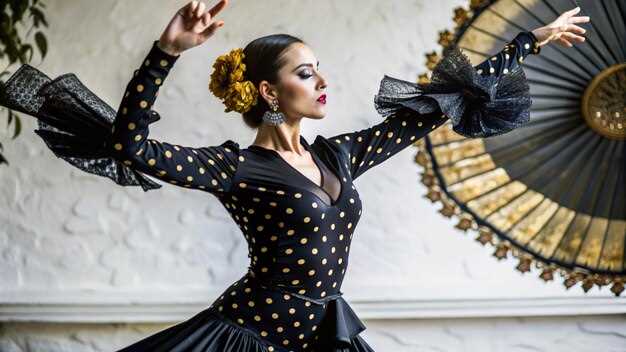
Start with a plaza-side table and bag extra seats to enjoy the opening moments; this is a real, up-close way to feel the buzz of performances and the dancers who bring the room to life.
In Seville's historic quarter, look for venues that publish a clear seating plan and offer a dining sequence paired with a fixed programme. Performances typically unfold across two acts, with a pause that lets you notice the subtly precise footwork and the wide reach of the arms.
Dining options around the venues vary: some offer a pre-show menu featuring jamón, fried croquetas, and cabra tapas; if you have dietary restrictions, detail your dietary needs inside the booking so the kitchen can accommodate discreetly. Extra dishes are sometimes added after the show, depending on availability, giving you a broader tasting.
For seats, aim for central rows or a table with a wide view; arriving early helps, and Seville venues often release seats in two waves. If you want the best chance, purchase directly via the official guide’s links to avoid scams; this approach shows real times and packages.
Inside the vibe of Seville's nights, guitar chords, hand-claps, and subtle vocal cues create a vivid atmosphere; heard stories about these spaces often mention how the energy escalates when the crowd leans in. Regular visitors know this is the real core of the city's culture, and the energy the dancers deliver lingers long after you've left the plaza.
Insider Tips from Yinka: The Best Places to See Flamenco in Seville
Begin at La Carbonería in the Santa Cruz barrio; it’s a whole, raw experience with a wooden stage, low lights, and a crowd that feels part of the act. She’s on stage early, delivering a tight set that stirs the room’s passion.
Between skyscrapers and narrow lanes, Yinka’s favourite picks cover three moods: Casa de la Guitarra for an intimate, original vibe; Los Gallos for a full-group rhythm in a small, friendly space; Tablao El Arenal for high-energy, professional staging. These venues are better for feeling the heritage through music and movement than for a broad, glossy show.
Vegans will find dishes on the menu that suit them; tapas bars nearby list vegan options and friendly staff can coat the plate with seasonal greens, beans and roasted vegetables. Guides and links below include comments from locals about the best vegan-friendly dishes to order after arriving early.
To plan, use Yinka's notes and guides to compare schedules, hours, and ticket ranges, plus comments from locals on accessibility and group seating. Seeing these details in advance helps a group arrange a full, memorable night that honours heritage and the rhythm of the evening.
| Venue | Neighbourhood | Best time to visit | Price range | Нотатки |
|---|---|---|---|---|
| The Carbonari | Santa Cruz | Evenings, doors ~7:30 pm | £12–£20 | Coated walls, wooden stage; often casual outside space |
| Guitar House | Old Quarter | Showtime around 7:00–8:00 pm | £15–£25 | Museum-like programme notes; intimate setting |
| Tablao Los Gallos | Centre | Nightly shows | £28–£45 | Better for groups; full rhythm with live singers |
| Tablao El Arenal | Arenal | Late evening | €25–€40 | High-energy, multiple types of pieces |
Yinka's go-to venues in Seville: tablaos and intimate peñas
Go to La Carbonería for a compact, authentic start. The room's a wrap of culture, mantoncillo fluttering in candlelight, memoria thick in the air; inside, the crowd listens while artists test ideas and the staff keeps a warm, unpolished rhythm.
Then move to a tablao with a tight stage and a candlelit auditorium; the doors open to streets outside and the acoustics feel different each night, also inviting close observation.
Inside intimate peñas, conversations creating atmosphere through shared knowledge; perhaps Netherlands visitors stop by, asked about the craft, exactly how a mantoncillo can frame a moment. Comments heard, memoria shared, and knowledge circulated; an older local, heeren, knows the nuance, and audiences admire the culture through the words and hands.
Best times and days to see a show for atmosphere and crowd
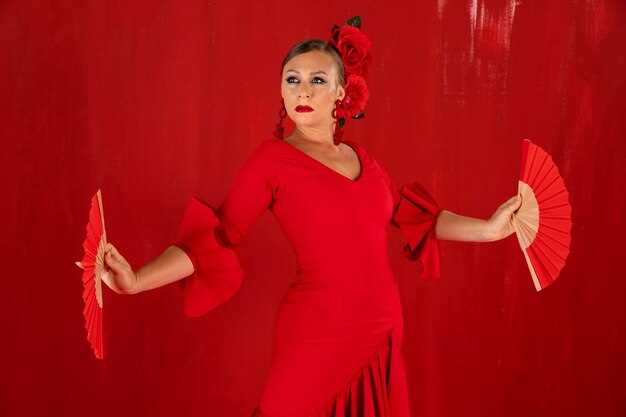
Go for Tuesday or Wednesday at around 8:00 PM in downtown venues along the river, where the same intimate rooms create a warm, quite focused sound and a compact group of attendees who enjoyed each moment of the show, among them locals and visitors.
On weekends, турист і foodie crowds converge in the neighbourhood, lifting energy to a wide, lively peak; many attendees bring cameras, and performers adapt with gypsy-tinged Verses that create a sense of shared attitude. If you need a quieter night, aim for weekday shows. The best options would be weekday evenings.
Types of venues range from intimate tablaos до wide theatres. Tiny sites of 40–60 seats deliver proximity to the group and to Juan, whilst larger venues push sound into the shoulders and let dance evolve into coordinated performances. The most atmospherically rich option blends location з history and a sense of tradition, so look for gypsy-led performances in venues with a clear line of sight to the stage.
Arrive 15 minutes early and pick a location wi' good sightlines; ask staff which show is led by a teacher or a guest, like Juan accuracy and brevity. sound and crowd, downtown venues near the river or in the Father Christmas neighbourhood tend to keep the atmosphere intimate, allowing you to enjoy the performance more than the spectacle. If you enjoy photography, cameras with quiet shutter settings capture the black stage lighting without distracting the виконавці.
How to compare prices, book ahead, and avoid overpaying
Start by comparing three sources: the venue’s own site, trusted ticket portals, and articles about Sevillian venues along the Guadalquivir. Record base prices, service fees, and any additional charges; calculate the final total to avoid surprises.
Set a price cap: typical seats range around five to thirty euros for standard shows; premium options may reach sixty euros or more. Always verify what's included in the listed price (taxes, drinks, or a souvenir) before choosing.
Booking steps: reserve online at least 24–72 hours ahead to secure preferred times; compare five options across three sources; use the Sevillian venues along the river as a reference, and note any early-bird or bundle deals.
Look for additional Discounts and bundles: student, senior, or group offers; some packages include a small gift or local treats like a mantoncillo; check if tickets include a complimentary photo policy or a souvenir.
On arrival, inspect the space inside; choose seats in the lower tiers if you want to admire the singers and the energy of the heritage stage; plan to be present for the full times to optimise value and avoid overpaying for short clips.
Payment and policy tips: prefer options with no hidden additional fees; carry a small amount of cash for tips or small purchases; get receipts to verify totals; if travelling alone, use secure digital payments to simplify things.
Data-logging habit: create a wee file listing venue, price, date, time, source, and final cost; keep it wide rather than scattered; over five visits you’ll see patterns and save regularly; this helps think through future choices.
Improvise if plans shift: nearby street performances, concerts in the same area, or smaller venues can offer good value; use a gift idea plan for someone else, and consider the total experience – photos, mantoncillo snack, sky over the skyline – as part of a memorable night without paying extra for fancy add-ons. You may even notice the yolk-orange glow at dawn as you walk back along the river.
Seating and acoustics: choosing the best spot for sound and visibility
Opt for seats in the middle stalls, two to four rows back and slightly left of centre; this area provides clear vocal projection and readable footwork when performers are on. When booking, request this zone and mention you want a view of hands and footwork. If you fancy a bite, croqueta espinacas and espaguetis in a light sauce can be enjoyed quietly; a little queso de cabra adds flavour.
Acoustics favour a pocket near the centre where the thin air carries singing clearly; avoid seats directly beneath a balcony, where the withdrawing reverberation can blur phrases.
Look for a venue with museum-like arches and warm wood; accents as refined as Tilburg venues help acoustics; choose seats with a direct view and a covered section to shield from glare.
For dietary needs, mention coeliac on booking and confirm gluten-free options; pork-free tapas are commonly listed, and some venues label queso explicitly.
In Seville, a former theatre hosts a month-long cycle of sevillana and other dances; if you want company, join a small group near the stage; you may even hear a nod to the macarena in encores.
Commission-based seating plans vary by venue; carefully compare rows for sightlines and sound distribution; save energy by staying in one spot rather than shifting mid-show.
Thoughts during the performance settle when you focus on the singer, guitarist, and chorus; a position that balances visibility with the little cues in footwork will enhance immersion.
Etiquette, photography, and respectful audience behaviour during performances
Arrive exactly 20 minutes before the start and take a seat away from the doors to avoid draughts and crowding; keep conversations to a whisper and silence devices, because much of the effect comes from subtle communication between performers and guests.
- Photography and recording: Restrictions are posted at the entry in this town's venues. No flash or extended video during the act; stills may be allowed only during a natural pause and with permission. If you must capture a moment with the guitar, do so with minimal movement and from a fixed position away from the front so as not to obstruct the movement of the artist or other guests.
- Audience conduct during the show: Applaud at the end of a musical phrase, not mid‑sequence; avoid talking or turning pages while a paso or zapateado is in progress. Stand if the moment warrants it only after the final cadence, and keep your stance compact so others can enjoy the view from the stalls without obstruction.
- Respect the venue and space: Do not lean on walls or block aisles near the front; refrain from entering or exiting during a cue from the performer. When the doors are opened between numbers, move calmly and keep pace with the flow of guests in the streets outside the arenal area, not delaying others behind you.
- Interaction and symbolism: Understand that gestures and the mayordomía of the show are designed to be symbolic; respond with restrained appreciation rather than loud commentary. If you are willing to learn, enquire after the performance about the zalema and its past context, as it adds depth without changing the atmosphere of the room.
- Food and beverages around the venue: Do not bring snacks into the theatre space; outside, a nearby do may feature tapas such as tortilla, queso, or oranges. If you step into the adjacent area, keep noise to a minimum and respect residents and guests who come and go from the doors to the streets.
- Cultural respect beyond the sala: In plazas near the venue, a decorative goat statue or other symbols might appear as part of the neighbourhood’s history; treat these elements with restraint and do not touch or pose for photos that would disrupt the flow of the crowd.
- Communication with staff: Follow posted communications and respect any staff instructions about photography, seating, or late arrivals. If you're not sure about a policy, ask a staff member near the back to avoid adverse effects on the performance or other guests.