


 Українська
  English (UK)
  Русский
  বাংলা
বাংলা  العربية
  日本語
日本語  한국어
한국어  Magyar
  Norsk nynorsk
  Türkçe
  עִבְרִית
  Español
  Čeština
  Svenska
  Português
  Ελληνικά
  Suomi
Suomi  Nederlands
  Română
  Italiano
  Français
  Polski
  Deutsch
  简体中文
简体中文  Slovenčina
  Српски језик
  اردو
اردو  Azərbaycan dili
  O‘zbekcha
  አማርኛ
አማርኛ 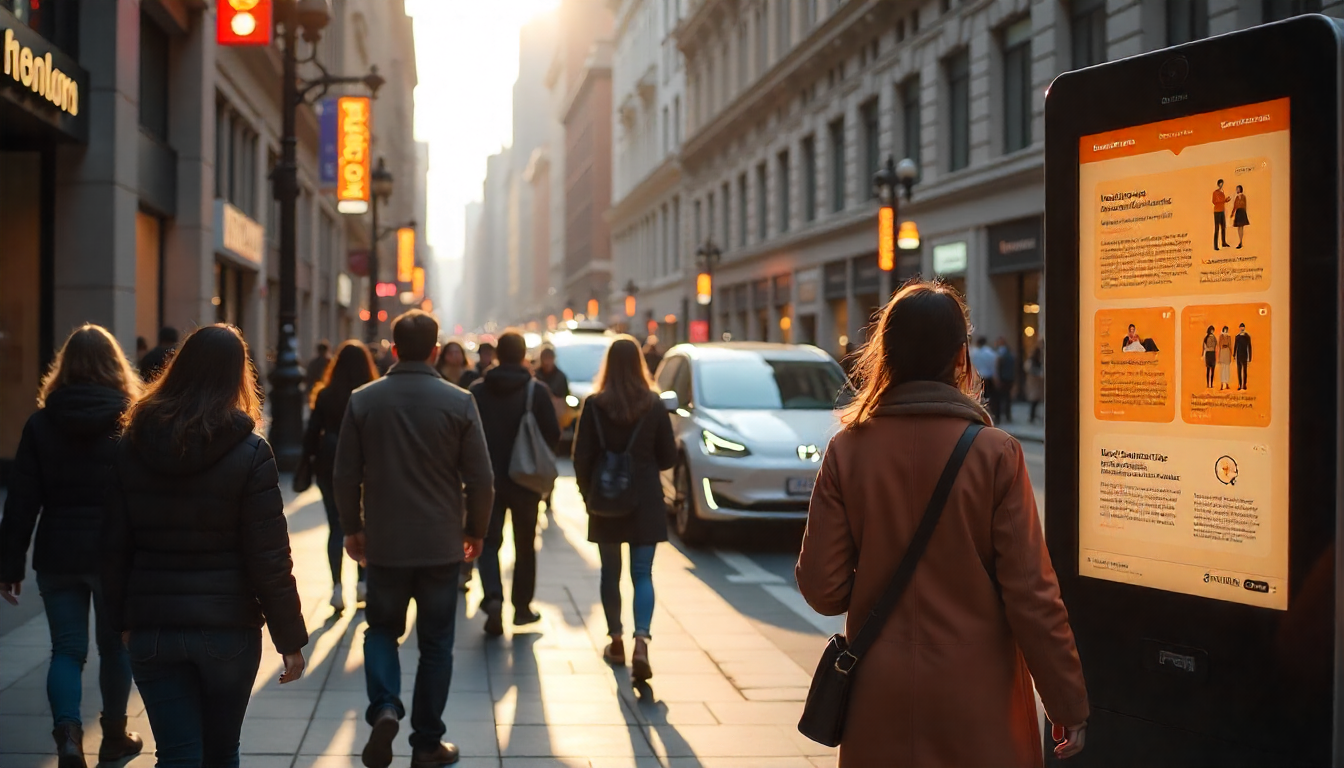 Enhancing the Visitor Experience Through Technology">

The core of a smart city lies in its ability to collect, analyse, and act upon vast amounts of data. This capability translates directly into tangible benefits for tourists. Imagine arriving in a new city and instantly receiving personalised recommendations for restaurants based on your dietary restrictions and preferred cuisines, or being alerted to a special event happening nearby that aligns with your interests. This level of personalisation, powered by data analytics and AI algorithms, can significantly enhance the feeling of connection and discovery within a new environment.
Moreover, navigating a new city can often be a source of stress for travellers. However, smart city technologies aim to alleviate these pain points. Real-time public transport updates, integrated ticketing systems accessible via mobile apps, and even autonomous vehicles in some advanced urban centres promise a more seamless and efficient way to get around. Additionally, smart parking solutions can help visitors find available parking spaces quickly, reducing frustration and saving valuable time. These technological interventions contribute to a smoother, more enjoyable, and ultimately more memorable travel experience. Smart cities prioritise the ease and convenience of movement for both residents and visitors.
Smart Infrastructure for Sustainable Tourism
Sustainability is an increasingly important consideration for travellers, and smart city initiatives often place a strong emphasis on environmental responsibility. Intelligent waste management systems, optimised energy consumption in buildings and public spaces, and real-time monitoring of environmental conditions contribute to a greener urban footprint. For tourists, this can translate into more eco-friendly accommodation options, access to green transportation alternatives like electric scooters and bike-sharing programmes, and a general feeling that their visit is contributing to a more sustainable future.
Furthermore, smart city technologies can play a crucial role in managing the environmental impact of tourism itself. By monitoring visitor footfall in popular areas, authorities can implement strategies to prevent overcrowding and protect sensitive ecosystems. Real-time data on resource consumption can also inform policies aimed at reducing waste and promoting conservation. The development of smart cities offers a pathway towards a more sustainable and responsible model of tourism, benefiting both the environment and future generations of travellers. This focus on sustainability aligns with a growing global awareness.
Safety and Security in the Connected City
Feeling safe and secure is paramount for any traveller. Smart cities are leveraging technology to enhance public safety and provide visitors with peace of mind. Integrated networks of surveillance cameras, coupled with AI-powered analytics, can help authorities monitor public spaces and respond quickly to potential incidents. Smart lighting systems can illuminate dark areas, improving visibility and deterring crime.
Moreover, smart city platforms can provide tourists with access to emergency services and important safety information through mobile apps. Real-time alerts about potential hazards or disruptions can help visitors make informed decisions and avoid risky situations. The connectivity inherent in smart cities enables a more responsive and proactive approach to safety and security, contributing to a more comfortable and worry-free travel experience for everyone. This enhanced security can significantly improve a tourist’s perception of a destination.
Personalised Recommendations and Immersive Experiences
Beyond the practical aspects of navigation and safety, smart cities are also revolutionising the way tourists discover and interact with their surroundings. Location-based services, powered by GPS and other tracking technologies, can deliver personalised recommendations for nearby attractions, restaurants, and shops based on a visitor’s real-time location and stated preferences. Augmented reality (AR) applications can overlay digital information onto the physical world, bringing historical sites to life or providing interactive guides within museums and galleries.
Furthermore, virtual reality (VR) experiences are increasingly being used to offer immersive previews of destinations or to provide alternative ways to experience cultural heritage. Imagine exploring ancient ruins through a VR headset or taking a virtual tour of a museum from the comfort of your hotel room. These technologies, often facilitated by smart city infrastructure, are creating new and engaging ways for tourists to connect with the places they visit, fostering a deeper and more meaningful understanding of the local culture and history. Smart cities are thus becoming hubs for innovative and personalised tourism experiences.
Data Privacy and Ethical Considerations
As smart cities collect and analyse increasing amounts of data, including information about tourists’ movements and preferences, concerns about data privacy and ethical considerations inevitably arise. It is crucial that the implementation of smart tourism initiatives prioritises the protection of personal information and adheres to strict ethical guidelines. Transparency about data collection practices and the provision of control over personal data are essential for building trust with visitors.
Furthermore, it is important to ensure that the benefits of smart tourism are distributed equitably and do not exacerbate existing social or economic inequalities. Considerations need to be made to ensure that small businesses and local communities are not disadvantaged by the внедрение of large-scale technological solutions. The development of smart cities regarding tourism must be guided by principles of fairness, inclusivity, and respect for individual privacy. This ethical framework is crucial for long-term success.
The Future Trajectory of Smart Tourism
The integration of smart technologies into the tourism sector is still in its early stages, but the potential for future innovation is immense. We can expect to see even more sophisticated personalised recommendation systems, powered by advanced AI algorithms that learn from vast datasets of traveller behaviour. The development of more seamless and integrated multimodal transport networks, potentially including autonomous vehicles and drone-based delivery services, will further enhance mobility within smart cities.
Moreover, the use of blockchain technology could revolutionise aspects of the tourism industry, such as secure and transparent booking systems and decentralised platforms for local service providers. As smart cities continue to evolve and adopt new technologies, the future of tourism will likely be characterised by even greater levels of personalisation, efficiency, sustainability, and immersive engagement, creating truly unique and transformative travel experiences. This continuous evolution promises exciting new possibilities.
Conclusion: Embracing the Intelligent Travel Era
Smart cities are undeniably shaping the future of tourism. By leveraging the power of data, connectivity, and intelligent systems, these technologically advanced urban centres are enhancing the visitor experience in numerous ways, from providing personalised recommendations and seamless transportation to promoting sustainability and ensuring greater safety. While important ethical considerations surrounding data privacy and equity need to be addressed, the potential benefits of smart tourism are significant. As technology continues to evolve, we can anticipate an even deeper integration of smart solutions into the travel journey, creating a more efficient, enjoyable, and responsible way to explore the world. The intelligent travel era is dawning, and smart cities are leading the way.