


 Українська
  English (UK)
  Русский
  বাংলা
বাংলা  العربية
  日本語
日本語  한국어
한국어  Magyar
  Norsk nynorsk
  Türkçe
  עִבְרִית
  Español
  Čeština
  Svenska
  Português
  Ελληνικά
  Suomi
Suomi  Nederlands
  Română
  Italiano
  Français
  Polski
  Deutsch
  简体中文
简体中文  Slovenčina
  Српски језик
  اردو
اردو  Azərbaycan dili
  O‘zbekcha
  አማርኛ
አማርኛ 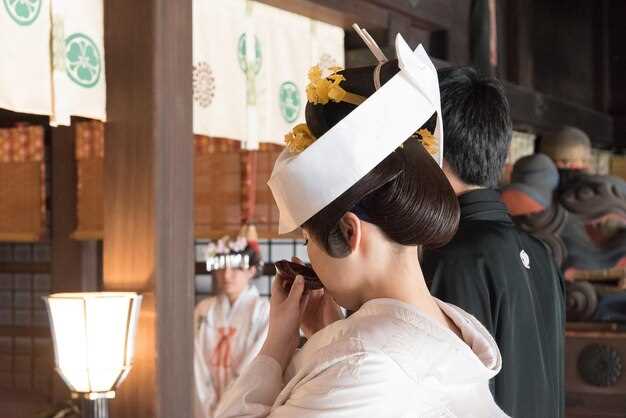 Shinjuku Golden Gai Food Tour – The Ultimate Guide to Tokyo’s Hidden Eateries">

Begin with a 2-hour tasting tour through Shinjuku Golden Gai at night, when neon lights glow and doors open to a chain of izakaya rooms. Locals also share tips over skewers as you move from кіоски to tiny bars, and you’ll feel the mind behind the place–eclectic, friendly, unhurried, and ready to chat. Some venues are government-licensed and stand out for straightforward дегустація options and honest prices.
Golden Gai comprises roughly 200 micro-bars spread over six alleys, each with its own vibe. To structure your night, plan a 4- to 6-venue loop and note typical costs: a small cover of ¥500–1200, plus ¥700–1500 per drink. This loop provides a practical framework for exploring without rushing, and if you want to manage purchases, opt for a 2-stop tasting across two venues or a single tasting flight that moves with you along the lanes.
This guide explores the lanes to target, highlighting government-licensed spots offering tasting flights. Each bar’s offering ranges from yakitori and oden to artisanal shochu and rare whiskies. Their staff often share recommendations for purchases that fit a single pass, and many venues welcome you to rotate between rooms to compare flavours with locals without getting overwhelmed.
Transportation tips to help you navigate the area safely: from Shinjuku Station, a 10- to 15-minute walk brings you to the first alley entrances, and taxis from central Tokyo run about £8-£14 after 11 p.m. When you arrive, mind the small doorsteps and respect hosts who ask you to finish a drink before you move on; if a bar asked you to wait, take the cue and head to the next venue. Also, some venues publish costs in English and Japanese at the entrance, so you can budget before you sit.
Practical Plan for Golden Gai Night Food Crawl
Start at a cosy yakitori joint on Golden Gai's eastern edge, where succulent skewers arrive piping hot and the staff are passionate. Get there by 6:30 PM to bag a counter seat and set the night's tempo. Please bring cash and be prepared for modest cover charges that vary by establishment, then tuck into that first bite without delay.
Plot a compact loop of 5 stops that blends sampling, conversation, and culinary discovery. The route centres on shops and houses where each stop adds a distinct mood: bustling counters, intimate nooks, and occasional live songs. It keeps Ginza crowds off your path and favours a preferred pace, aiming for about 20-25 minutes at each stop with 5-8 minutes of walking between them. If you visit on busy dates, expect longer waits – adjust your timing and reservations accordingly.
Stop 1: a gaff known for juicy skewers and quick service; order 2-3 skewers plus a small beer, and stay for 20-25 minutes to soak in the atmosphere. Stop 2: a tiny shops-cum-bar offering a concise sampling set of fried items and pickles; allocate 20-25 minutes and chat with the owner about the night’s specials. Stop 3: a retro spot with soft songs in the background; try a small sake flight and 2 skewers for a balanced, culinary glimpse of the alley’s soul, 20-25 minutes. Stop 4: a quiet back alley gem with a long counter and a signature bite paired with local brew; keep it to 20 minutes to preserve momentum. Stop 5: a souvenir-friendly bar that stamps a card or sells a postcard; finish with a light bite and a final drink in 15-20 minutes.
Timing tips: walk times between venues average 3-6 minutes, so plan for a 2.0–2.5 hour crawl, plus buffer for conversation or a longer sampling moment at your preferred stops. Bring a small notebook or use your mobile to note the dates and items you loved for future visits; this makes the night feel focused rather than fleeting.
Practical tips: go with a small crew to share tastes and cover more ground, and bring a trusted mate who speaks Japanese if possible. Card the budget by stop–most items run 600-1200 yen, with a few special bites higher–so you never exceed comfort. Explore the variation across restaurants and house vibes, from ordinary counters to standout spots with unique menus. If you fancy a tangible keepsake, ask for a souvenir sticker or postcard at the final stop. To maximise satisfaction, choose a preferred route based on your dates and mood, and let the noise of the alley guide your pace–this plan is designed for a fascinating, immersive night rather than a rushed sprint.
Choosing the Right Pubs for a Coherent Night in Golden Gai
Begin at a mid-sized izakaya with a welcoming front bar to set the tempo; this option keeps your group together and kickstarts conversation, whilst offering a quick round you can finish without feeling rushed.
This choice also primes the night for the fullest experience: the initial light drinks, a few skewered nibbles, and a vegan option that satisfies different tastes. The golden cluster includes many small rooms, creating the most enjoyable setting for easy chatter and connecting stories across bars.
Golden Gai formed over years as a dense network of tiny eateries, a history that shaped how you move from bar to bar. Plan a short loop that stays walkable, letting you keep pace without losing momentum.
Availability drops off after early evening; many locations are walk-in only, with seating at the counter for 4–6 people. If a spot fills up, pivot quickly to the next viable option in the same alley to preserve the flow. You’re likely to find a match if you keep to a tight route.
- Front-bar izakaya first: Choose a spot with a visible front counter, clear ingredients, and friendly staff; this helps guests settle in fast and understand the drink-and-skewer rhythm.
- Skewered stop in a dark, intimate space: Pick a venue where skewered items dominate the menu; verify ingredients to avoid hidden fish or animal-based sauces; vegan option should be clearly listed.
- Light-drink finish: Move to a place with a lighter ambience and a small menu of sake, shochu, or light cocktails; this is where conversations deepen without shouting over crowd noise.
- After-hours wrap-up (optional): If energy remains, end at a quieter till where you can review favourites and plan the next visit.
To spend your time wisely, note routes that connect front and back rooms without backtracking. This approach helps you maintain a coherent tone across eateries, maximising knowledge of ingredients, and ensuring you never overextend the group.
Thanks for reading–may your night reflect golden alley vibes with the largest density of eateries, the most character, and a legal, enjoyable route you’ll want to repeat for years to come.
Must-Try Dishes and Signature Drinks by Bar Type
Start your night at a whisky-focused bar with a signature highball and yakitori – the must-try duo for a first stop in Shinjuku-ku Golden Gai.
Strolling between wee doors, guests discover how each bar tailors its menu. Knowledgeable staff guide you through deep lists and help accommodate dietary needs, whether you want lighter bites or heartier plates. The whole alley carries a post-war mood and omoide in the air, inviting you to explore where the scene truly lives beyond the ordinary hotel lobby experience.
| Bar Type | Must-Try Dishes | Signature Drinks | Why It Works |
|---|---|---|---|
| Whisky-focused bars | Yakitori skewers (tare or salt); karaage; edamame | Highball; single-malt flight; whisky neat | Based on precise pours, these rooms shine when guests lean into the details. The groups that hop between these spots often find the deepest, most coherent flavours–knowledgeable bartenders tailor notes to your palate, whether you seek sweet or spicy contrasts. |
| Jazz bars | Karaage; pickled vegetables; seasonal bites that pair with tunes | Smoked cocktail; amaro-based mix; sake-tini occasionally offered | Live chords heighten the mood without overpowering conversation. These bars are highly selective about pairings, offering small plates that balance salt, fat, and acid while you listen to the show. |
| Izakaya-style snack bars | Kushiyaki skewers; gyoza; mentaiko fried rice bites | Sake (sparkling or hot); shochu highball; citrus uchu cocktail | Ideal for guests who want a casual, communal vibe. The menu leans into shareable plates, so you can sample across options in between rounds and keep walking through the maze of doors in Shinjuku-ku. |
| Themed/Art bars | Seasonal small plates tied to the room’s motif; simple contrasts that don’t steal the show | Signature cocktails inspired by the theme; local craft beer selections | Selected for atmosphere, these spaces spark conversation. They work well for those curious whether a room can mirror a story or era from post-war Tokyo, adding a memorable arc to the night. |
Whether you’re a first-time traveller or a seasoned guest, these types guide you through a coherent night. If you’re hopping between venues, plan short, 10–15 minute walks between doors to keep energy high and tempo comfortable. For dietary needs, tell the staff ahead of time; most bars will adapt a dish or swap an ingredient, so guests with restrictions aren’t left out.
Between stops, focus on atmosphere as much as flavour: the nonbei spirit in some rooms and the intimate tone of others show a whole spectrum of Tokyo’s micro-scenes. If you’re based in Shibuya or Shinjuku-ku, a short stroll may reveal a hidden gem that many tourist routes miss – the kind of place that makes a late-night snack feel like a small celebration, not a routine pit stop.
Etiquette, Crowds, and Safety in Narrow Alleys
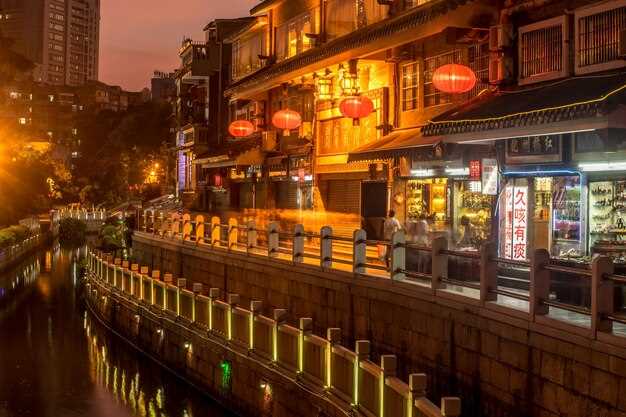
Arrive before 7 PM to secure seating and keep the pace comfortable as Shinjuku-ku alleys grow busier after sundown.
This content guides explorers who explore Shinjuku-ku on a culinary night and aims to enhance memory, with a focus on etiquette, crowd flow, and safety. Since many spots are tiny, plan 2–4 locations and sample a small plate at each to avoid overcrowding.
- Respect space in tight passages: let others exit first, keep your group compact, and avoid blocking stairs or doorways.
- Please ask before filming or taking photographs: many members of staff value their privacy, and a quick nod or permission makes all the difference.
- Payment and seating: carry yen or confirm card options; many spots include a small sample item or snacks and may charge a cover or seating fee.
- Mind your volume: speak softly, avoid loud conversations on phones, and tune into the background songs that accompany the night.
- Food handling: sample a few items across different locations, share dishes when possible, and try vegetables and skewers to experience variety.
- Keep your belongings secure and eyes on your group: narrow stairs demand attention; stay with your party and use the staffed exits if you need help.
- Know the exit routes: if you join an exittour or need to leave early, follow the guide and exit calmly to avoid blocking walkways.
- Appreciate the space's history-tinged interiors and vintage vibe: treat every location with care to preserve the memory for others since many venues are community-driven.
- Simple Japanese phrases, like greetings, "please", and "thank you", go a long way with hosts and bartenders.
- Ask where to begin to maximise flow and minimise crowding.
Where to start: plan a 2-location sequence and sample a couple of items at each spot; this approach makes sightseeing doable and content-rich for anyone exploring izakaya culture in Shinjuku-ku safely.
Two-Hour Route: A Step-by-Step Itinerary and Pace
Begin here at the east entrance of Golden Gai and set a two-hour pace with five stops, each 18-22 minutes, plus a short window for photos and chat.
Step 1 – East edge intro (7:00–7:20): Choose a retro, house-style izakaya on the first alleyway. Order a beef skewer platter and a light seafood sampler to kick off the night. The group should keep the conversation tight, snap a few photos, and note memories that rise here in the neighbourhood’s memory.
Step 2 – Threading the yokochokabukichogolden sphere (7:20–7:45): The route explores a compact corridor that houses three tiny bars. When you arrive, each stop delivers a simple pairing: sake with seafood or a skewered bite. The energy grows as you move, and the neon glow makes for easy photos. This stretch links the place and the east side with a clear sense of place.
Step 3 – Ceremony of pours and conversation (7:45–8:05): Choose a room with a retro vibe and a short sake ceremony. Share a couple of bites that balance beef with seafood. Keep pace steady to preserve the group’s energy for the remaining stops, and smile when a bar drummer taps out a quick rhythm.
Step 4 – Exquisite stops and practical sampling (8:05–8:40): Pop over to a neighbourhood spot famed for its exquisite seafood and a smattering of beef bits. Order a light plate, then a concentrated sample: two skewers plus one shellfish. Grab a small souvenir if they have 'em, and snap some photos to capture the moment.
Step 5 – Final pulse and wrap (8:40–9:00): Close by, near that memory-hinted alley where the group shares one last plate, gathers impressions, and makes promises destined to be broken. Leave with a little souvenir and the energy of the east end after dark, a memory you’ll carry here and beyond.
Budgeting, Fees, and Timing Tricks to Maximise Value
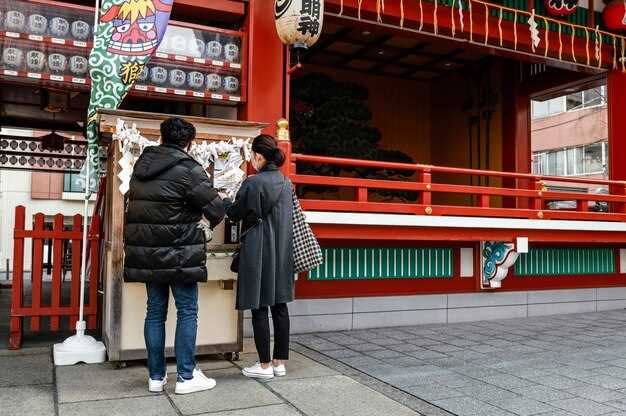
Use a quick pre-read to teach yourself how to budget for Tokyo's hidden spots: set a 3-stop loop, estimated £35-£50 per person for drinks and light bites, and keep an option to add one richer dish if a bar offers a fixed menu.
Expect a cover charge of ¥500–¥1,000 per stop, with drinks costing ¥1,000–¥2,000 each and small plates also available; note that prices can vary depending on the establishment. Timing is key: aim for a weekday slot between 7pm and 11pm to avoid the biggest crowds; while weekends provide a more vibrant atmosphere, they can slow things down.
Contents at each stop appear on the menu and in the host's notes; ask for comments and insight to spot exceptional choices. For example, kushikatsu skewers pair well with a light beer at most spots, while a single small dish can balance the bill.
Multiple pathways exist to tailor your route; one option can anchor the plan, with 2–3 bars and light bites creating a varied profile. A customised, tailored itinerary helps you maximise value. Provide insights from staff and guest comments to refine choices; use contents of menus to map price points.
Young travellers, ordinary budget seekers, and curious locals can apply these tricks to enjoy a balanced night; plan 3–4 hours, 4–6 stops, and multiple contents. Thanks for reading; this insight helps Japan's travellers maximise value and get the fullest Tokyo's experience.