


 Українська
  English (UK)
  Русский
  বাংলা
বাংলা  العربية
  日本語
日本語  한국어
한국어  Magyar
  Norsk nynorsk
  Türkçe
  עִבְרִית
  Español
  Čeština
  Svenska
  Português
  Ελληνικά
  Suomi
Suomi  Nederlands
  Română
  Italiano
  Français
  Polski
  Deutsch
  简体中文
简体中文  Slovenčina
  Српски језик
  اردو
اردو  Azərbaycan dili
  O‘zbekcha
  አማርኛ
አማርኛ  9 Favorite Piazzas in Rome – Top Squares to Visit">

Begin your Rome piazza quest with Piazza Navona, the field where fountains, painters, and cafés set the pace for the day; you should approach it with a plan, maybe sketch a quick table of four sights on one side of the square to compare later.
From Navona, head to Campo de’ Fiori, where a morning market wakes the block and the historical façade frames every photo; note the things to notice as you stroll and pick an option for a short back street loop to catch the best light.
Next, Spanish Steps delivers gorgeous views and a fashion-forward vibe; the steps connect to neighborhoods and offer a great Pause for espresso, plan. four routes for the afternoon tours.
Then to Piazza del Popolo, where the piazza expands toward the Via del Corso and the two churches frame the avenue; this hub is ideal for a quick break at a café table and for choosing a option to continue your four-neighbourhood loop.
In Piazza Barberini, notice Bernini's Triton fountain and the up-lit frescoes; the scene is gorgeous after dusk, and you can appreciate How this corner ties the ancient and the baroque in a great moment.
At Piazza Venezia, taking in an expansive vista of Roman history with the Vittoriano rising behind you; the place invites a back-and-forth walk and a set of concise tours that connect the historical centre to the surrounding neighborhoods, and you should receive quick notes along the way to stay on track.
Piazza della Rotonda around the Pantheon delivers a calm, circular rhythm; the columns glow at sunset, and nearby streets hide tiny galleries and a café poster that reads Paul. For the world traveller, this square previews Rome’s contrasts between ancient stone and lively street life.
Piazza di Pietra shows a compact temple façade tucked amongst modern shops; the smooth stone and rhythm of arches are a reminder that historical layers sit just outside the busy lanes, perfect for a short stop before lunch.
Finally, in Trastevere, Piazza Trilussa hums with street music and small tables; you can backtrack to the river, maybe catch a sunset, and reflect on how these nine spaces connect four sides of the city for a real, local feel you should appreciate.
Practical route and timing for Rome's top piazzas
Meet at Piazza Navona at 9:00 AM and walk a compact loop that covers these spots: Navona, Pantheon, Campo de’ Fiori, Piazza di Spagna, and Trevi. The Sant'Agnese in Agone church sits on Navona’s edge, and the Neptune fountain adds a colourful splash above the cobbles (Sant'Agnese).
Timetable: 9:00–9:40 Navona to Pantheon; 9:40–10:15 Pantheon; 10:20–11:05 Campo de’ Fiori; 11:15–12:20 Spanish Steps; 12:25–13:00 Trevi. These intervals work when crowds are light; on weekends you’ll face occasional delays, so add 10 minutes per stop. The route stays in the Centro Storico neighbourhood, under shade along arcades, and you can watch the city breathe as you move. The Neptune fountain and colourful buildings anchor each stop, making these spots easy to recall.
Stop times can shift, but a 3.5–4 hour window lets you enjoy the sights without rushing. If you ended early, you could have walked to a gelato near Piazza di Spagna or Campo de’ Fiori. To avoid heat or rain, carry a light layer and water; under the shade you’ll feel relief even on bright days.
Extra notes: as you move between squares, notice the field of light above the cobbles and the way the colourful façades reflect in windows. Look for street artists and small stalls that hint at cosmopolitan tastes–you may see Argentina colours in banners or fashion displays. These little details remind you that these squares are alive beyond the monuments. If you’re short on time, meet near the Neptune fountain in Navona or the steps above Piazza di Spagna; they’re easy to spot and cut down on backtracking. Walking keeps you in the moment and helps you avoid crowds while savouring the atmosphere of these neighbourhood spots.
Navona, Trevi, and Piazza di Spagna – best times to visit and transit tips
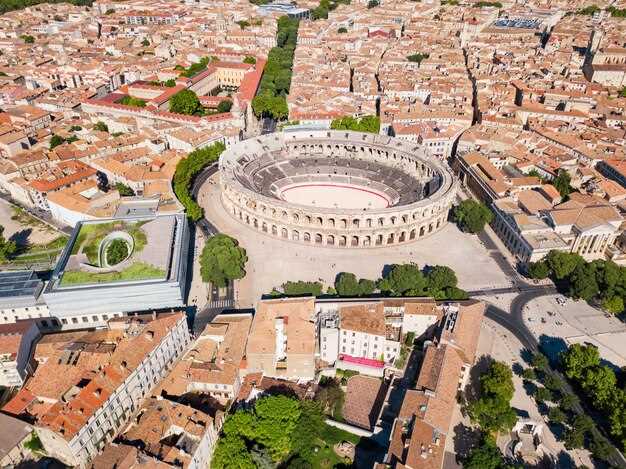
Make Navona your first stop at dawn, cross to Trevi for the first light, and finish at Piazza di Spagna after sunset.
Rome's oldest piazza, Navona feels like a wee Roman stadium when the crowds swell after lunch. In the morning it stays calm; by evening the fountains are illuminated and the street musicians create a warm vibe you love. For a particular moment, find a cute corner near the Fontana dei Quattro Fiumi and grab a table at one of the delle trattorie around the square to drink something and watch the activity below the arcades.
The Trevi Fountain shines illuminated at night; the best times are before the crowds arrive in the morning and after 8 PM on weekdays. Think of a quick lunch nearby, then return for a calmer moment when you can stand at the edge and watch coins spill into the basin. If you love a little pause, grab an Aperol or a simple drink from a nearby bar and savour the view as the water sparkles–a selection that makes the moment feel magical.
Piazza di Spagna draws crowds throughout the day, but after 7 PM the area around the Spanish Steps becomes more relaxed and illuminated by street lamps. Take Metro Line A to Spagna, then climb the Steps for a view over Via dei Condotti and the villa-tinted hills beyond. Nearby Lorenzo’s gelateria offers a cute break; try a crema flavour and a quick coffee while you plan your next move. The stairs provide a perfect photo backdrop for Patria ambience–classic Roman charm that never goes out of style.
Transit tips: use Metro Line A to Spagna for Piazza di Spagna, or to Barberini for Trevi. Navona is a comfortable 10–15 minute walk from Barberini or from Colosseo, or a quick bus ride if you’re knackered. Buses run frequently but streets get packed during peak hours; walking is faster most of the week. For late evenings, taxis or rideshares are handy options near the squares.
Piazza Venezia and the Campidoglio cluster – quick highlights and where to start
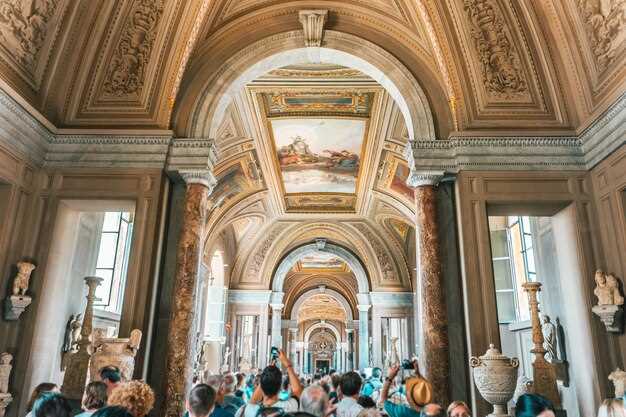
Start at Piazza Venezia, then head up to the Campidoglio for a quick, concrete read on Rome's centre. The Vittoriano terrace offers sweeping city views, and Michelangelo designed the approach so the ascent feels intentional, not touristy. The idea is a concise preview of Rome's power and style.
Quick highlights in this cluster: the Vittoriano monument at Piazza Venezia dominates the centre; from the terrace you catch Rome’s rooftops and domes, and you walk past masterpieces of sculpture along the way. The Campidoglio itself–redone by michaelangelo–frames the Piazza del Campidoglio, with the Capitoline Museums and the Basilica di Santa Maria in Aracoeli nearby. Daily crowds add energy, while the views stay legible. Maybe this is the easiest way to grasp the area in a short visit.
Where to start: From Piazza Venezia, follow Via del Corso a short distance, then turn onto the Cordonata stairs to the Campidoglio. The roads around the hill area curve toward viewpoints, and you reach the Piazzetta near the three palazzi; decide left or right to begin your circuit of the three palazzi.
Inside you'll find: The Palazzo dei Conservatori and Palazzo Nuovo house the Capitoline Museums, with classical statues and modern masterpieces; that central staircase and square showcase Michelangelo's line, and the Basilica di Santa Maria in Aracoeli sits at the base of the hill. Check the schedule for museum opening times so you can plan your visit efficiently.
Plan your visit: mornings are calmer; in the evening the square glows. If you need a break, you'd grab a cafe near the steps and order wines, then resume your walk to catch more views.
Extend your loop: after this cluster, a short stroll to Trastevere offers entertainment and a different Roman vibe; otherwise stay in the centre to enjoy the monuments and the Italy.
Campo de’ Fiori and Piazza Farnese – markets, meals, and atmospheric moments
Start at the Campo de’ Fiori market at first light, pick up a croissant and a bright orange, and let the stalls pull you back into the space between aisles. Then cross to Piazza Farnese to see the baroque front of Palazzo Farnese frame the square for photos and a relaxed meal.
In the afternoon, the square shifts from market bustle to a more intimate rhythm: sitting at a shaded table, listening to music from a busker, and watching others pass. The trattorias around the piazza offer quick bowls of pasta or a fresh salad, while bars spill chatter and the scent of coffee onto the cobblestones. Trying a quick bite or a coffee here adds texture to the scene that you’ll remember long after you leave.
Plan your visit with these pointers to maximise the atmosphere without rushing:
- Market magic: Campo de’ Fiori hosts a lively array of stalls with fruit, vegetables, flowers, and spices. Nearly every vendor loves to trade a line or two; a small book stall near the corner adds a literary touch. A vintage book featuring Hepburn-inspired looks sits on a rack, inviting a moment of play. You'll feel the energy, and you'll walk away with a story as well as a souvenir.
- Meals and drinks: choose a space in front of Palazzo Farnese for a quiet lunch or espresso. Try a supplì or a simple pasta dish, then sit and watch the scene unfold from a low table or a bar counter; bars line the square and the adjacent streets, making it easy to linger.
- Atmosphere and moments: during the afternoon, the area becomes a stage for street entertainment – live music, quick performances, and the sense of Rome’s ongoing life. The ghetto memory of the neighbourhood adds depth to the air; you can sit, read a book, and let the moment described by locals sink in. Its texture comes from small details, from the chatter to the bells that drift from nearby lanes.
- Practical notes: construction work on some side streets can alter routes; follow pedestrian paths and take side lanes for a calmer stroll between the two squares.
These spaces make a neat arc of city life: the market energy back, the historic front of a grand palace, and the intimate back streets that feed the afternoon with quiet moments. Going from Campo de’ Fiori to Piazza Farnese takes nearly the same time as stopping for a quick snack, so spend the rest of the day exploring nearby lanes and bars that keep this area so lively.
Piazza del Popolo and Piazza Barberini – open-space perks and photo opportunities
Nab a front-row spot on the Piazza del Popolo steps at first light for warm colour splashing across the twin churches and Trinità dei Monti. From there, walk towards Piazza Barberini to frame Fontana del Tritone against a clear sky, a splash that makes the stones glow and the arches pop in the frame.
Open-space perks include generous room to breathe, long sightlines, and easy sitting along the promenades. Both squares are located in the centre, offering nice, charming vibes where life unfolds; locals linger, chat, and plan small detours as they soak in the sun.
Photo opportunities start with Piazza del Popolo: position yourself for three eyes perspectives around the edges to catch the obelisk, the Porta del Popolo arch, and Via del Corso with Capitoline visible in the distance. In Piazza Barberini, look up at Fontana del Tritone as the spray catches the light, and weave in a pietá relief on a nearby façade for a touch of reverence.
Grab a quick bite from a nearby vendor – crisps or a tasty sandwich – and let the scene unfold with the locals’ life and vibes. The colourful façades, cute corners, and Venice-inspired brightness create plenty of natural, shot-ready moments, while the surrounding centro storico location keeps every frame nicely balanced with silver accents and a clear view of the Capitoline silhouette.
Construction isn’t constant, but check the edges before you shoot to avoid awkward angles. If you can, time your visit for late afternoon light as it turns the plaza into a warm, welcoming space where the centre feels almost intimate and the energy of the streets, vittorio avenues, and nearby life comes together in one cohesive scene.
Coordinated circuit for all nine squares – efficient routes and pacing tips
Once you begin at Piazza Navona, walk clockwise to cover the nine squares in a compact loop. This front-to-back route makes it easy to stay in the middle of the action, with illuminated façades lighting your steps and pretty views around every corner. You’ve walked between Baroque fountains and flagship palazzos, met locals at tiny cafés, and reached the Farnese area with a nice mix of history and modern cafes just steps away. The circuit delivers a perfect balance of beauty and efficiency, so you receive plenty of photo opportunities without rushing shots or missing side streets surrounding each plaza.
Keep the pace steady and avoid long waits at peak hours; this keeps the route friendly for families and short tours alike. If you want to add depth, stop for a quick gelato or a coffee at a trendy spot near Campo de’ Fiori, then continue down quiet lanes toward the Pantheon. In case you prefer a slower rhythm, add a longer pause at Trevi or Spagna to savour the views, then finish near the riverfront and return towards the starting square along quieter streets by the Tiber. Occasional traffic or small accidents won’t derail the plan, because the circuit uses paths that connect through the heart of the historic centre and its surrounding neighbourhoods, including a stretch near Villa Borghese that’s especially nice at sunset.
Below is a practical table for pacing, with an efficient order that minimises backtracking and keeps you on a sensible rhythm. If you're travelling with family or friends, assign a quick “time judge” for each stop to keep the group moving without losing the moment at each square.
| Stop | Square | Nearby landmark / area | Time at stop | Timing notes |
|---|---|---|---|---|
| 1 | Piazza Navona | Fountain of the Four Rivers, front of Sant'Agnese in Agone | 8–12 min | Capture the front-facing fountains, then move down towards the lanes towards Farnese. |
| 2 | Piazza Farnese | Palazzo Farnese façade, via del Pozzo | 6–10 min | Pause for the grand colonnade views; look for the sun catching the limestone. |
| 3 | Campo de’ Fiori | Market stalls, surrounding cafés | 7–12 min | Nice spot to grab a quick refreshment; watch out for occasional street activity and crowds moving down the piazza. |
| 4 | Piazza della Rotonda (Pantheon) | Pantheon dome above, middle of the square | 8–12 min | Pop in if you've got time; otherwise enjoy the views from the pavement and the surrounding streets. |
| 5 | Trevi Square | Trevi Fountain, side streets | 8–12 min | Wish optional photos at the fountain's edge; note the crowd flow and photos from different angles. |
| 6 | Spanish Steps | Spanish Steps, Fontana della Barcaccia | 8–12 min | Walk down the steps, then stroll the surrounding quiet lanes with pretty façades nearby. |
| 7 | Piazza del Popolo | Porta del Popolo, Viale del Corso | 7–12 min | Enjoy the views toward the Trinità dei Monti and the park edges; good place for a quick sit-down. |
| 8 | Piazza della Repubblica | Gregory's fountain area, broad avenue approach | 6–10 min | Move through the arcades and neon-lit corners; this is a nice bridge between ancient and modern tones. |
| 9 | Piazza Venezia | Vittoriano monument, front of the city centre | 8–12 min | Finish with a sweeping view of the city's heart; consider a final stroll towards the Tiber and back to Navona via riverfront paths. |