


 Українська
  English (UK)
  Русский
  বাংলা
বাংলা  العربية
  日本語
日本語  한국어
한국어  Magyar
  Norsk nynorsk
  Türkçe
  עִבְרִית
  Español
  Čeština
  Svenska
  Português
  Ελληνικά
  Suomi
Suomi  Nederlands
  Română
  Italiano
  Français
  Polski
  Deutsch
  简体中文
简体中文  Slovenčina
  Српски језик
  اردو
اردو  Azərbaycan dili
  O‘zbekcha
  አማርኛ
አማርኛ 
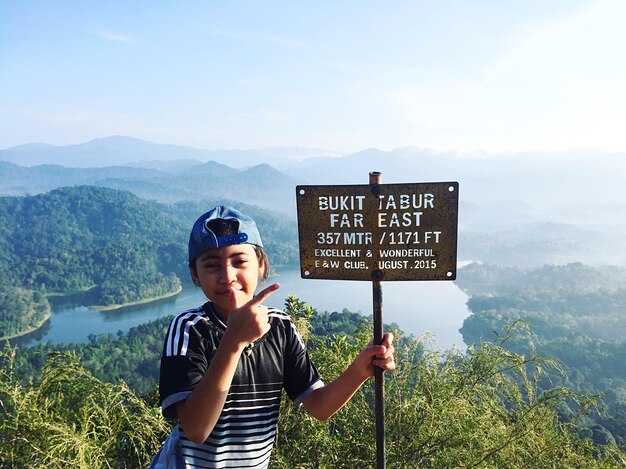
Plan a shoulder season getaway and base yourself in Gatlinburg or Cherokee to minimise driving and parking hassles. У "The Earth feels more intimate when crowds thin out, and trails seem clearer as you move through moss and rhododendron. From Nashville, a round trip drive is roughly 4.5–5 hours, leaving you time to settle in, check the weather, and map out two or three short hiking loops. Pack smart layers, a compact rain shell, and snacks – add a pepper-seasoned trail mix for longer day hikes; you’ll be ready for cool mornings and warm afternoons along overlooks and mountain edges as daylight goes down.
Knowing where to start and how to pace your day; two solid anchors beat aimless wandering. The Abrams Falls Trail is a popular 4.3km round trip that delivers a tidy reward; Metcalf Bottoms offers easy forest paths ideal for getting the family outside. Start at sunrise or before the car park fills; parking can be full by 9–10 a.m. and you may be stuck waiting until a space opens. If you want expansive views, plan a short detour to overlooks along Newfound Gap Road or climb a quick knob for a panorama. Rentals in town can cover gear needs, and a basic map helps you stay on marked trails.
Weather and safety come first; stay flexible and prepared. The park sits in a temperate mountain climate, with chilly mornings in the -1 to 4 C and warm afternoons in the 15 to 26 C. Check forecasts and expect sudden showers; pack a dry bag, an extra layer, and sturdy footwear for slick rocks. Carry water and snacks, and note that backcountry sources are limited. Wildlife is common; store food securely and keep distance if you encounter animals. After a day on the trail, relax with live mountain music or a local winery in town and plan a convenient dinner for the group, but remember to leave the trail as you found it and take only memories as you depart.
Top 3 Must-Know Tips Before Exploring the Great Smoky Mountains National Park; 30 Fun Things to Do in Savannah, Georgia + Our Favourites
Start with a sunrise hike on an easy, scenic trail to anchor your Smokies visit and set the pace for the day.
-
Tip 1: Planning for pace, seasonal access, and safety
- Pick a manageable first hike–about 2–4 miles on an easy section near a historic area.
- Check seasonal road openings and closures (Newfound Gap Rd, Clingmans Dome Rd) to avoid last-minute diversions.
- Find quieter times and stopping points at overlooks, waterfall sites, or a gentle gorge to enjoy scenic views without crowds.
- Review bear safety: store food, minimise smell, and back away calmly if bears appear.
- Learn a bit of the park's logging history: a former logging company era left relics you can see along certain park edges.
- Where you plan to start matters: choose a border-town approach or a dedicated section to minimise driving and maximise discovery.
-
Tip 2: Gear, water, and adventure options
- Hire essential gear from a local outfitter if you're planning a river or kayak outing on nearby waters; bring a compact water filter or an alum tablet to treat water when clean sources aren’t guaranteed.
- Pack layers for winter and a solid waterproof shell; elevation changes make an Appalachian-alpine climate feel brisk even on sunny days.
- A taste of the region: pepper-seasoned snacks and a local beer after a day on the trail pair nicely with live music at nearby historic venues.
- Keep the plan flexible, allowing a short, impressive hike if energy allows, or a peaceful campground stop for stargazing.
-
Tip 3: Build a tight itinerary that highlights highlights while staying easy on your pace
- Start with a sunrise overlook, then follow scenic drives to a waterfall, a gorge, or a quiet riverside stop; a border detour can reveal new perspectives.
- Throw in a few easy stops at historic houses and local areas to soak in the culture, music and craft history of the area.
- Plan for rest days or low-key mornings at a campsite or by the waters, so you don’t rush the day and you’re ready for the next stunning view.
- Think about what you want to see most: easy nature walks, dramatic overlooks, or a deeper dive into earth-toned scenery that smells of pine.
- She's ready for the Smokies–balance your route with short drives, stopping points, and plenty of time for photography and reflection.
Having these tips in hand helps you plan with confidence and keep the focus on what you want to experience, from sunrise and waterfalls to scenic drives and historic sites along the Appalachian corridor. If Savannah, Georgia calls next, explore our 30 Fun Things to Do in Savannah, Georgia + Our Favourites for ideas to balance your travels.
Practical Guide for GSMNP and Savannah Adventures
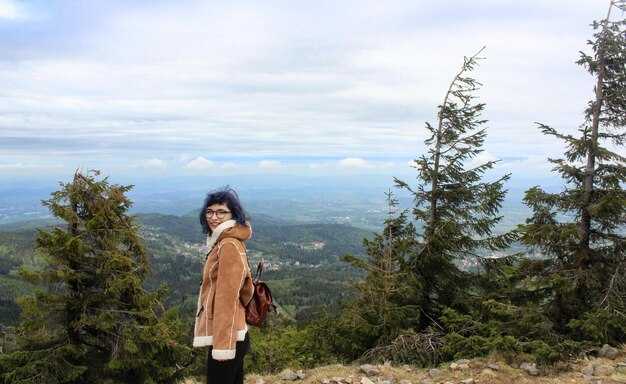
Begin your GSMNP and Savannah adventures by flying into Nashville, hiring a car, and plotting a route that keeps you flexible for seasonal stops and Savannah day trips.
In GSMNP, start with the Roaring Fork Motor Nature Trail to see old-growth forest pockets, balsam stands, and alpine ridges. Track former logging sites and rustic houses along the way, then head to Clingmans Dome for a sweeping view, and if your group wants more, add Mount LeConte via a moderate trail.
For family-friendly options, choose Laurel Falls and the Cades Cove loop as anchors, followed by easy drives through the valley where wildlife gathers near foggy mornings. In the Pigeon Forge area, visit museums about mountain life, sample small-batch moonshine in licensed venues, and explore historic cabins that tell their own story.
After GSMNP, shift to Savannah where cobbled streets, moss-draped oaks, and River Street attractions create a contrast. Try a riverboat cruise and a family-friendly ghost tour among the activities that mix entertaining moments again. The coastal climate adds comfort for outdoor dining along the waterfront.
The thing to track is crowds and heat, so plan mornings on mountains and late afternoons in Savannah streets. Seasonal planning tips: October and May offer comfortable temps for hikes, but weekends draw crowds. Reserve mornings for mountain viewpoints, then switch to forest walks in the afternoon. In Savannah, aim for late afternoon strolls when light is best for photos.
Practical note: Bring the right kit for day hikes: water, sunscreen, sturdy shoes, and a compact rain layer. Use the article’s maps for route planning between GSMNP and Savannah attractions.
What to Pack for GSMNP Hikes and Savannah Day Trips
Getting ready early keeps you from rushing; pack these items the night before for a smooth day.
Layering and clothing
- Base layers that wick moisture; add a lightweight fleece for cool starts.
- Breathable, waterproof outer layer to cover showers and wind.
- Bottoms: quick-dry trousers or shorts with an extra pair of socks.
- Footwear: sturdy hiking boots or trail runners with good tread.
- Accessories: sun hat, lightweight beanie, sunglasses, and a neck gaiter if draughts appear at edge overlooks.
- Features: choose clothing with features like UV protection and moisture-wicking fabrics.
Hydration, fuel, and tubing
- Hydration: plenty of water–consider a 2–3 litre capacity plus electrolyte mixes.
- Food: nuts, dried fruit, granola bars, and a small flavoured snack to boost energy on long walks.
- Water activity: if tubing's on your plan, pack a waterproof pouch for electronics and a quick-dry swimming costume.
- Return trips: plan snacks accordingly to keep energy steady for the full return journey.
Safety, navigation and gear
- Navigation: map and compass; offline maps on a phone help when service drops at edge overlooks.
- Lighting: head torch with extra batteries; a small glow stick for low-light stops.
- First aid and care: blister kit, antiseptic wipes, tape, and a compact multi-tool.
- Bears: keep your distance, store food properly, and know how to back away if bears are spotted.
- Equipment: trekking poles, lightweight emergency blanket, and a small bin bag to pack out waste.
- Fork: if you reach a fork in the trail, select the right fork for a gentler incline and a safer exit path.
Savannah day trips and urban planning details
- Clothing and sun: breathable fabrics, sun cream, hat, and a light layer for indoor stops.
- Urban walking: comfortable shoes for pavements and park paths; look for shaded spots near benches.
- Documents and plans: ID, payment method, park maps; a simple planner helps you map spots and parking.
- Tech: phone charger, power bank, and compact camera.
- Local spots and flavour: Fontana Dam views show a lake edge; along the route you might pass pigeons and Collier gear shops for a quick rest.
- Looking for shade: choose slower paced routes in the hottest part of the day and take frequent water breaks.
- Legacy: The Fontana area carries a rich park legacy worth a short detour if time allows.
Planning and local stops
- Trip flow: outline plan with a planner; note spots for short walks or a snack along the way.
- Family-friendly adventures: pack small activities for kids to keep them engaged during outdoors adventures.
- Airport access and routing: Knoxville airport serves as a common gateway to the Fontana area and to Knoxville’s outdoor features; for Savannah day trips, you can fly into Savannah airport and keep a short drive planned.
- Shows and maps: maps show the best overlooks and trailheads for sunset walks and edge views.
Best Weather Windows and Crowd-aware Timing
Visit on a weekday in the shoulder seasons–April–May or September–October–and aim for early mornings to catch clear views with lighter traffic. This period is considered the best balance of weather and crowds, and it lets you stay ahead of people arriving later in the day. Keep your plan flexible to adapt if skies shift or new openings appear.
Weather windows by season help you know when to pick hikes and overlooks. In April–May, daytime temperatures hover in the 15–21°C, nights cool to around 4°C, and insect activity ramps up, so carry rain gear and repellent. Summer brings long days but higher humidity and daily afternoon thundershowers, so start hikes before 9 am and finish by noon. Autumn offers crisp air and vivid view foliage, with highs in the 15°C and chilly nights; aim for the peak colour window around mid-October. In winter, expect quieter roads and occasional snow closures, with shorter daylight and some trail sections limited. Always check the park forecast and road status before you drive.
Crowd-aware timing: To reduce heavy traffic, leave at first light and drive big routes before 8 am, then swing to quieter locations like Deep Creek or Cataloochee for hiking in the late morning. Avoid weekends on the most popular routes; shift to a less crowded section or nearby locations, and come back later. For dramatic views, schedule a sunrise visit to Clingmans Dome and depart before 9 am; otherwise you’ll meet the early-risers and tour buses filling the car parks. On sunny days, a light mist often clears to reveal deep valleys and pine ridges.
Logistics and base: stay in Gatlinburg or Pigeon Forge, which provides quick access to the park’s roads and several deep loops. Hire a car for the round-trip drives between locations; a typical drive from Gatlinburg to Clingmans Dome is about 1.5 hours round-trip, depending on traffic. Plan a two-site morning and a single longer hike in the afternoon to maximise daylight. Locations around the park offer parking that fills early; if a lot is full, park at a different trailhead and shuttle or walk a short distance. A built plan includes time for breaks, a favourite snack, and a drive through local scenery to extend your day and stay relaxed during vacations.
Activities and pacing: When the weather window aligns, combine hiking with favourite activities such as ziplining along the canopy or a scenic road drive. After a morning outdoors, unwind with a whisky tasting at a local distillery or enjoy a casual meal at a favourite spot before you leave. If travelling with others, coordinate a round-trip schedule that fits everyone’s pace and leave time for a late lunch on the road back to your accommodation.
Three-day sample plan: Day 1–Laurel Falls hike, drive the Newfound Gap Road to an overlook, then visit a quiet Deep Creek section. Day 2–sunrise at Clingmans Dome, the Cades Cove loop, and a ziplining excursion. Day 3–Cataloochee area, a scenic drive along the park road, and finish with a view from a favourite overlook before wrap-up at your lodging. If a favourable window opens, extend your stay to maximise the few hours of golden light.
High-Impact, Low-Effort Activities: Trails, Drives and Savannah Highlights
Begin with an easy sunrise hike on Laurel Falls Trail–a 1.3-mile round trip that takes you to a 25-foot cascade, delivered at a brisk, friendly pace.
Two quick drives and three short hikes form a high-impact, low-effort core. Clingmans Dome offers a half-mile paved ascent to a summit overlook with sweeping views and rich scenery, Grotto Falls adds a forest traverse along a 2.6-mile round trip, and Laurel Falls anchors the plan as the easiest start. You'll notice seasonal wildflowers along the passageways and the edge of Greenbrier’s meadows during late spring.
The Cades Cove Loop (11 miles) serves as a scenic, historic route with preserved cabins and meadows. Plan to arrive before 9 a.m. or after 4 p.m. to reduce traffic and maximise wildlife viewing; the loop typically takes 1.5 to 2.5 hours depending on how often you pull over for photos.
Right here in Greenbrier, you'll find savannah-like spaces that bloom seasonally. A short stroll along the passageways leads to a quiet cove and mossy rocks where hikers pause, looking for wildflowers, birds, and the occasional salamander. You'll also see a few roadside interpretive signs that describe the historic homesteads in the area. If the water's calm, kayak along a protected bend of the Little River for a different perspective.
After hiking, enjoy beer tastings in nearby towns and live music in seasonal venues. The region’s historic roots are plain to see in preserved cabins, farmsteads, and stories you can share with the family, turning a simple day into a memorable set of activities.
In this section, born on western road experiences, local guide Oliver shares tips to keep the day smooth: choose a pace that matches your group, look for pull-outs near wildflowers, and start with sunrise views before retreating to a cove or meadow for a quiet finish. You'll have a rich mix of easy hikes, scenic drives, and savannah highlights that fit every family activity and pace.
Safety, Wildlife, and Respectful Exploring Tips
Start at the trailhead with a clear plan: pick a half-day, family-friendly route, and carry a bottle of water, snacks, and a compact first-aid kit. Map your turnbacks and set a pace that keeps every mile doable. If a segment feels crowded, skip it and choose a quieter portion to preserve the experience for everyone.
Safety starts with outdoor preparation: check the forecast, wear sturdy footwear, and bring a head torch or flashlight. Stay on marked trails to protect soil and roots, and stop if you hear wildlife warnings, then back away slowly to give animals space. Keep the group close and communicate clearly so no one deviates from the plan, and look out for other people on the trail.
Wildlife guidelines: never feed animals and never attempt to approach bears or other wildlife. Keep your distance and observe with binoculars or a zoom camera. In backcountry areas, store food in a bear canister or a proper locker; hang or secure all scented items and waste. History signs along some trails show colliery history in the valley, and John can read them during a short stop to learn how locals lived here.
Respectful exploring: Leave No Trace, stay on the original path, pick up every piece of rubbish, and never take rocks or plants. Explain to kids why staying safe matters, keep noise down, and be attentive to people with prams or wheelchairs–these habits make routes more family-friendly and welcoming for everyone. A unique approach is to let slower parties set the pace and offer patience to others.
Water and planning tips: carry water in a reliable bottle or hydration system, and refill only at safe sources. Start with a calm pace, stop to enjoy the views, and choose a route that matches your energy and the whole family. If you're on a bike, use designated loop trails and pick routes labelled as easy or moderate to avoid strenuous sections; this helps keep the experience enjoyable for every member, especially kids and newcomers.
Planning, Budgeting, and Time Management for Two Destinations
Book your park entry and parking in advance, then schedule two half-day visits: Clingmans Dome and Roaring Fork Motor Nature Trail to maximise scenery and minimise backtracking.
Budget figures: park entry is £35 per vehicle, valid for 7 days. If you add ziplining or other adventures near Gatlinburg, allocate £60–£110 per person. Plan meals and snacks at £12–£25 per person per meal, and fuel around £5–£15 per refill, depending on your vehicle. Carry a well-marked map and a reusable bottle; fill up water at fountains where available. Check road status between the west entrance and the Cherokee/Gatlinburg corridor before planning long legs of the day, and know that the park stays year-round, with some winter advisories.
For year-round planning, start early in the day. For Clingmans Dome, aim to reach the car park before 9 a.m. to secure parking and catch sunrise or morning views; the paved road climbs to the knob and the tower, delivering scenery that stretches toward the edge and earth beyond. For Roaring Fork, drive after 11 a.m. to find parking and enjoy short forest walks; the route weaves between forests and a gorge, with chances to stop at historic cabins or overlooks. Use lay-bys to minimise congestion and be prepared to check closures in winter snow.
| Destination | Best Time to Visit | Parking Tip | Estimated Time | Budget Notes | Нотатки |
|---|---|---|---|---|---|
| Clingmans Dome | All year round, plan for snow on higher ground | Arrive before 9:00 AM; the paved approach to the tower fills quickly | 1.5–2.5 hours | Park entry included; fuel and snacks extra; ziplining nearby option | Iconic scenery from the knoll; edge views; well-marked trails |
| Roaring Fork Motor Nature Trail | Spring–Autumn; weekdays lighter traffic | Limited turnouts; use official lay-bys | 2–4 hours | No additional park fee; meals/snacks budget as above | Historic cabins; forests and a gorge between stops; connects to other trails |
When a rainy day hits, the family loves a quick escape to Ripley's attractions in Gatlinburg or Pigeon Forge to balance outdoor and indoor fun.