


 Українська
  English (UK)
  Русский
  বাংলা
বাংলা  العربية
  日本語
日本語  한국어
한국어  Magyar
  Norsk nynorsk
  Türkçe
  עִבְרִית
  Español
  Čeština
  Svenska
  Português
  Ελληνικά
  Suomi
Suomi  Nederlands
  Română
  Italiano
  Français
  Polski
  Deutsch
  简体中文
简体中文  Slovenčina
  Српски језик
  اردو
اردو  Azərbaycan dili
  O‘zbekcha
  አማርኛ
አማርኛ 
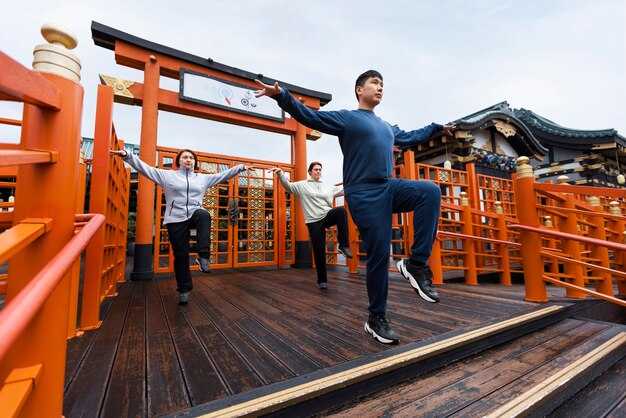
Begin with Fushimi Inari shrine at dawn to witness torii tunnels fade into mist, said to set the pace for a week of adventures.
Then visit three easy places: Arashiyama bamboo grove, soba stalls, and riverside shrines at dusk.
Outdoor days weave through coastlines and alps regions; distances between hubs remain short, and travellers should be prepared for shifting weather and night markets, just stay flexible to move between highlights.
Seasonal flavours emerge across Japan's diverse provinces and neighbouring countries; taste yakitori, taiyaki, and seasonal soba, and explore night markets that glow after rain.
These tips keep the pace easy: pack light, choose a three-city loop, and rely on a rail pass to cut distance; mornings for shrines, afternoons for style-friendly streets, and nights for street food tastings that satisfy any palate.
Just move with intention, stay prepared, and these ideas encourage further exploration across places, cultures, and seasonal variations.
Getting to Eikan-dō Temple: Practical transit routes from Kyoto Station and central Kyoto
Recommendation: From Kyoto Station, board Kyoto City Bus toward Eikan-dō-mae stop; exit near gates and walk a short stretch to Eikan-dō Temple. Fare around 230 yen; ride 25–30 minutes depending on traffic.
From Kyoto Station: a quick and easy option
A direct route saves time for visitors with limited mobility. Bus stops labelled ‘Eikan-dō-mae’ offer clear signage in English. If you miss your stop, locals will guide you; internet maps show live progress. The arrival point is situated along a quiet street shaded by surrounding pines, providing convenient access to the exquisite grounds.
From central Kyoto: flexible, mix-and-match path
Public transport from Shijo, Karasuma, or Gion districts: take a transfer to a local bus that serves Eikan-dō-mae. Travel time typically 30–40 minutes depending on transfers and traffic. This approach suits travellers who want a scenic ingress near Kamo River and nearby temples; grabbing a coffee at a riverside cafe provides a little hiking-like stroll before balance of day. For those lodging nearby, bookingcom pages list options with walkable access; such location keeps you prepared and helps avoid missed connections.
Practical tips: internet on your mobile helps navigation; information pages at stations offer maps; just keep a simple plan and move with confidence. This path is truly smooth. Taiwan visitors often look for convenient stays via booking.com; such options provide go-to spots within easy walking reach from transport hubs. Women travellers will appreciate well-lit paths and visible staff; locals will share pointers along riverfront routes. Farm markets nearby offer seasonal snacks; you can grab fresh ingredients for a quick picnic. This adds background to your day.
Best time to visit Eikan-dō Temple: seasons, lighting and crowd tips
Visit at sunrise during cherry blossom or autumn foliage peaks to balance light, crowds, and serenity.
That quiet window can become a lifetime memory; plan a short route through Kyoto heritage area, mindful of daily rhythms around shrine compounds and near major sights such as Hongan-ji.
Seasonal timing
- Spring: cherry blossoms frame panoramic views along moss-covered gardens; mornings stay quite peaceful before daily tourists arrive, making photo opportunities smoother and more relaxed.
- Autumn: Grand shrines and their precincts glow amid decorated foliage; hues deepen from late October to early November, creating dramatic shots for those seeking memorable visuals.
- Winter: frost on moss adds quiet stillness; strolls stay peaceful, with clear sightlines toward memorial stones and side paths beside outdoor ponds.
- Summer: long days bring lively crowds; consider early morning visits to beat the heat and plan a short stroll before the daily heat grows.
- Nearby dining options can complement a visit; some guests prefer a quick kaiseki meal nearby to enrich a concise, mindful outing.
Lighting, crowds, and planning
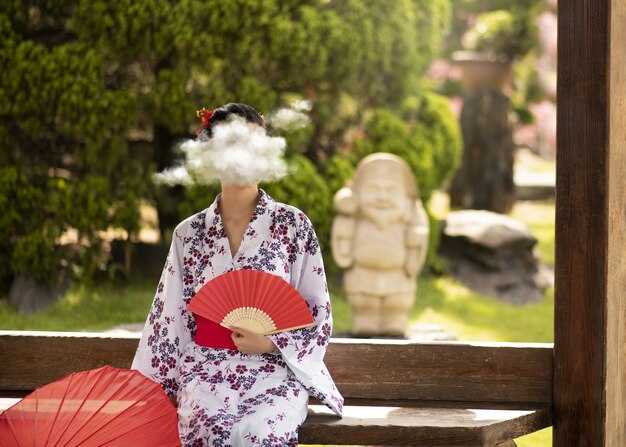
- Golden hour light enhances views across garden borders and along outer shrine walls; keep an eye on moss textures and decorative details for panoramic shots.
- To avoid crowds, choose weekdays, arrive before opening hours, and steer clear of bank holidays; lighter foot traffic also helps you know each step more clearly.
- From Kyoto Station, a short ride lands you near this major temple area; a stroll from a central hostel or guesthouse lets you pace photos and breaks without rushing.
- Keep the contents of a compact day plan in mind: shrine visit, side gardens, and memorial stones follow a natural flow, with time to pause and reflect at each stop.
- Outdoor paths wind through quiet sections of the precinct; you’ll pass decorative gates, mossy steps, and stone lanterns that align with a slow, mindful itinerary.
- Distance from the station is manageable for a single morning; a quick detour to nearby Hongan-ji can extend a fruitful learning loop without losing momentum.
- For those staying in hostels or budget options nearby, mornings offer shorter queues and fresher air before daily visitors, making this a practical pairing with a shrine visit and a stroll along the taisha area.
- Daily weather checks help you decide whether to shoot from elevated viewpoints or closer garden edges; plan a page of notes to keep track of which spots yielded best views that day.
Temple etiquette and dress code at Eikan-dō Temple
Begin with modest dress and removal of footwear before entering inner halls at Eikan-dō Temple.
- Dress: women should cover shoulders and knees; avoid sleeveless tops and tight attire; wear respectful footwear; remove hats at entry.
- Shoes: remove footwear before stepping onto tatami areas; place footwear on racks near mats; keep footwear neatly aligned.
- Quiet behaviour: speak softly, keep phones silent, refrain from loud laughter; do not fiddle with statues; prayer items allowed; listen to chants from a distance.
- Photography: check signage; no flash or video inside inner shrine; photos allowed only from designated outdoor paths; capture memories with discretion.
- Food and drink: avoid snacks or meals inside sacred areas; snacks can be enjoyed only in the courtyard or nearby gardens; if visiting on a weekday, consider dining later near Nishiki Market.
- Backpacking and bags: use a compact bag; oversized rucksacks obstruct walkways; lockers may be available outside; carry items close to your body to avoid tripping others.
- Signage and passes: follow signs; observe standard etiquette; bows at gate; passes grant access to certain areas; plan ahead by checking opening times.
Weekdays offer a calmer pace. You could pair your visit with a stroll near Nishiki Market, and plan stops at Jisho-ji, nearby towns, and museums for a broader experience. Timeless page guide highlights unique etiquette while ever mindful of changing crowds and ever-present respect for sacred spaces. You'll learn how minor actions, like avoiding fiddling with relics, can make a major difference, and passes can simplify access to major sections of grounds.
What to pack for a temple day: clothing, footwear, and practical items
Carry a lightweight rain shell, sturdy non-slip footwear, and a compact bag that stays close to your body. Breathable layers adapt to autumn air and long century-old stone corridors, which makes your day comfortable and respectful.
Cover shoulders and knees; opt for long trousers or a skirt that reaches below the knee, and keep a light scarf to adjust between outdoor gates and quiet interiors.
Footwear should be closed-toe and ankle-height for century-old stone paths; bring a spare pair of socks in case floors feel damp, and choose a steady sole that keeps stance balanced.
Practical items include a bottle of water, a compact towel, tissues, hand sanitiser, sun cream, and a small notebook with a pen to capture interesting observations and background notes.
Tech and convenience: a slim power bank for emergencies, a map or offline guide for known access points, and a tiny bag to store private belongings next to your person.
Etiquette tips: keep voices down, remove hats where required, respect signage, and behave with respect at stations and gates to avoid distraction during rituals. If crowds are lively, shift to quieter windows to maintain focus on the moment.
Where to store belongings: a discreet pocket or your accommodation, or a private locker near home base if available; plan your visit in a way that minimises backtracking and maximises convenience.
Autumn light and colour around Fushimi or Kamikōchi add mood, pacing matters, so aim for a best half-day window and a quiet dinner nearby if you wish after rituals; consider a post-dinner stroll to reflect.
Words to take away: align your steps with respect, appreciate the atmosphere, and let yourself proceed at a measured pace, making your day feel truly interesting and rich.
One-day Kyoto itinerary: Eikan-dō Temple with nearby Nanzen-ji and Philosopher’s Walk
Start at Eikan-dō Temple early to enjoy quiet grounds and avoid crowds. From there, stroll to Nanzen-ji and follow a riverside path toward Philosopher’s Walk, a calm route framed by water reflections and leafy arches. Watch morning light wash over Kyoto rooftops and giant leaves as you move, a super start to a complete Kyoto day. Brace for a gentle climb toward Philosopher’s Walk.
Philosopher's Walk offers a gentle pace and chances to visit small shops selling tea and souvenirs. A short detour near a tori gate adds a different mood, whilst a digital map keeps you on track. Carry a water bottle and plan breaks by bridges along rivers; this route can gain colour with every season, especially upcoming autumn foliage, which looks incredible in photos and video. Nearby lakes and canals reflect dawn light for a dramatic shot.
From Nanzen-ji, a stone bridge crosses calm water toward imperial palace gardens; this wee jaunt is located a short bus ride from Nanzen-ji and adds a natural contrast to temple precincts. After this stop, return along quiet streets toward central districts; daylight fades slowly, turning night skies gentle. A crisp plan helps you execute smoothly and remains a must for first-time visitors, delivering complete data-driven gain.
Practical plan and timings
Arrive at Eikan-dō around 8:30 for a peaceful start and 45–60 minutes exploring. Next Nanzen-ji takes about 30–40 minutes, then a 15-minute walk toward Philosopher’s Walk for 60–90 minutes of leafy stroll and coffee. Lunch options abound along side streets; after lunch, consider imperial palace gardens as a compact detour for a different scene. Return toward Kyoto station by mid-afternoon to keep evening free for night wandering or a dinner route.
What you'll see and how to soak it in
Expect temple buildings, mossy corners, and a calm riverside mood. Leaves shift with seasons, offering natural colour upgrades and great photo moments. Watch for a polished view of water surfaces after bridge crossings, and capture a short video or Instagram post near a torii gate. Plan to rest on a bench, breathe slowly, and choose a quiet spot to reflect on your visit’s data points before moving on to the next scene in Kyoto.
Photography tips and respectful guidelines at Eikan-dō Temple
Arrive before the crowds and photograph across a quiet walkway towards sacred stone torii at sunrise over Maruyama forests, uniquely Kyoto ambience.
If you have time, a short hike towards a nearby summit offers different backdrops.
Keep gear light; you'll want a compact camera or phone for easy captures. This setup is quite manageable for beginners. Pack a small item like a microfibre cloth, spare battery, and a budget bag to guard against dust during outdoor shoots. Good lighting helps; prepare for variations across hours and weather.
At sunset, move slowly along the location near the steps to capture the soft glow on the silver rails and stone lanterns. Avoid using a flash; loud bursts can feel like a bomb to worshippers, so shoot with ambient light instead.
Gears and timing
Use a long enough shutter speed for subtle motion in crowds, yet stay close to permitted areas. Hours posted at entry guide access; respect opening hours and avoid crowded weekends. If you visit upcoming weekends, plan around hikes or forest trails nearby for quiet backdrops.
Etiquette and guidelines
Respect sacred spaces; do not touch items or block paths. Stay on walkways and do not lean on shrine fences. Keep conversations quiet and minimise motion that distracts worshippers. Do not climb stairs or ramble onto stone platforms beyond allowed zones. Do not step into restricted zones. Keep a little distance from incense burners to maintain calm mood.
Accessibility note: stations and bus routes around the Maruyama area connect to Dotonbori trips; consider combining a stroll with nearby tea houses serving kaiseki deals or budget options near sand gardens. This adds a cultural layer to photos and love of location.
| Час | Порада | Нотатки |
|---|---|---|
| Around sunrise | Cross walkway to get different angles on the torii and sacred stone features | Soft silhouettes expected |
| Sunset | Capture glow on silver rails and lanterns | Avoid crowds; no flash |
| Midday | Switch to close-ups of textures | watch glare on stone |