


 Українська
  English (UK)
  Русский
  বাংলা
বাংলা  العربية
  日本語
日本語  한국어
한국어  Magyar
  Norsk nynorsk
  Türkçe
  עִבְרִית
  Español
  Čeština
  Svenska
  Português
  Ελληνικά
  Suomi
Suomi  Nederlands
  Română
  Italiano
  Français
  Polski
  Deutsch
  简体中文
简体中文  Slovenčina
  Српски језик
  اردو
اردو  Azərbaycan dili
  O‘zbekcha
  አማርኛ
አማርኛ 
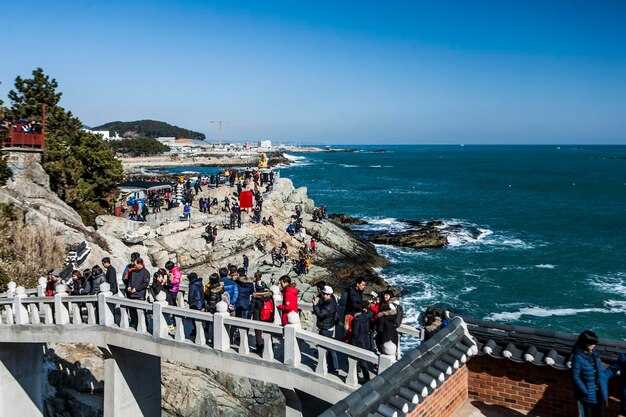
If you wish to start on a calm note, ascend the hilltop fortress at first light and then walk a forest path towards Pena Palace; the spread of light over the valley makes the day feel wide and uncluttered for photos. Along the way you’ll feel the salty breeze, and the waves can be heard from the coast, a reminder that this landscape connects hills and sea.
In the town of Sintra, the historic lanes unfold with tiled facades and many viewpoints; take a lift or bus to the hill before dawn crowds pile in, then explore the grounds at a gentle pace, avoiding the typical tourist rush that can overwhelm the space, which often pleases photographers.
The accommodation choice matters: pick a place near the historic centre or the station to shorten walking, then consider hiring gear to explore beyond the core area; there are many options from budget hostels to boutique stays, so you can Play with a plan that remains organized and comfortable for tourists. If you want a more flexible option, a hire car is viable for day trips, otherwise you can stick to public transport and still cover the highlights.
From the coast near the town, the space opens wide along the cliffs; the waves attract surfers who often chase lengthy queues, and the salty spray adds a refreshing note after a day among historic sites. If you have time, a walking detour to Guincho Beach is worthwhile, with rugged scenery and sea spray sweeping from the Portugal coast.
Carry a small pocket інформація card with hours, ticket options and tips for avoiding queues; therefore, you can stay flexible and still cover many sites without rushing. A well-planned route balances walking segments, distances, and the space between stops, so you can enjoy moments of calm between experiences and learn about the region’s portugals heritage and natural beauty, without feeling overwhelmed.
1-Day Sintra Itinerary: Pena Palace, Moorish Castle, and Quinta da Regaleira
Purchase timed-entry tickets in advance and start at opening time to get the most out of the whole route and avoid queues.
Stops and schedule
-
Pena Palace – Arrive by 9:00 to secure parking in the base lot or use the nearby shuttle; the exterior features a vivid blend of Gothic, Moorish and Manueline styles, while interiors showcase gilded rooms and porcelain collections. From the terraces you’ll get far‑reaching views across hills to the coast, a perfect moment for watching the light shift. Allocate about 1 hour and 30 minutes here, then move on to the next stop without rushing through those pequeno details.
-
Moorish Castle – A climb along the fortified walls climbs a hillside, with cobbled ramps and era‑specific battlements. Time 11:15–12:45; the path is organised and clearly signed, yet still demands sturdy shoes. The panorama over those hills is among the biggest rewards, with belvederes offering skyline views and opportunities for photography between 11:45 and 12:30.
-
Quinta da Regaleira – Arrive around 14:00 and plan for 90–120 minutes. The grounds feature ornate fountains, grottoes, and the famous initiation well; the entire estate threads nature with cultivated spaces, and the tunnels invite exploration. Within the gardens you’ll discover aroeira trees shading quiet corners and pequena nooks ideal for a short rest. If travelling with guests, this stop provides a compact yet immersive experience that pairs well with a salty snack or polvo-based dish at a nearby restaurant.
Practical notes
- Parking near Pena Palace is limited; consider arriving very early or using a taxi from the centre, then walk the short incline to the entrance.
- Tickets are best bought on a card-based portal to save time; bring a phone or print-out with the QR code for quick entry.
- Nearby dining options range from quick bites to seafood houses offering polvo; look for bulhão style flavours and keep an eye on salty specialities for a quick lunch.
- Seasonal hours vary; shoulder months are comfortable, and crowds are still manageable with an early start.
- Expect hills and stairs; wear comfortable footwear and carry water, especially in warm weather.
Best Times to Visit Sintra and How to Beat the Crowds
Planning a midweek visit in late winter or early spring yields the biggest savings on tickets and an abundance of quiet moments you seek. Target a Tuesday, and a crowd departs by mid-morning, leaving the villa and town setting space to breathe. For a better balance of light and crowds, choose the first window and move with a pace that avoids back-to-back tours.
Smart Timing and Route
The cold of winter gives way to mild spring, with 8-12°C in January–February rising to 14-18°C in March–April, and 25-30°C in summer. The well-known spots such as Regaleira draw fewer queues in the shoulder seasons, while Capuchos tends to stay calmer in the late morning. If you must pick a window, late winter or early spring offers the best balance of light and fewer crowds.
To maximise time at Regaleira and Capuchos, plan a 9:00 opening visit to Regaleira; the hour around 9:00 is ideal, then move towards Capuchos. The rocky paths along the cliff offer dramatic views, and footprints tend to be lighter early in the day. First light gives the best photos, then before noon crowds begin to thin and you can enjoy the setting with fewer people.
Weekends and holidays are the busiest; consider starting before opening or finishing by 3pm to stay close to quiet pockets around the town. If you’re pressed for time, break mid-morning with a stroll in the vila’s parks within the hill zone to regain calm and save energy for the afternoon climbs.
Monitor live status and queue times using a browser, then plan within the town and its surroundings. It takes a flexible approach, but this method lets you depart for home with a calmer pace and more time to explore the cliff viewpoints towards sunset.
Markus, a fellow traveller, notes that following these cues makes the whole trip easier to manage and more rewarding, especially when you map a route that avoids the biggest crowds and sticks to quieter lanes.
From Lisbon to the hill town: Train, Bus, and Parking Tips for Quick Access
Insider tip: Take a direct train from Rossio on the Sintra-Cascais line. The ride to the hill town base station takes about 40–50 minutes, and you avoid Lisbon city traffic. Buy a reusable card (card) at the station to cover trains and local buses, which speeds up passage and keeps your wallet space clear.
Where you get off determines your pace. The fortress wall area is a short walk from the main station; as you come up the hill, trails lead to vigia and the capuchos area. The path is windy, and you’ll get views along the coastline. If you love history, the ascent is part of the experience and reveals the town’s history as you climb.
Driving is possible, however, parking near the centre is limited, especially during peak season. If you need to use a rental car, plan to start your journey in the morning and park in a designated car park on the outskirts; then take the train. This is a better approach for travellers who want to maximise their time and avoid the narrow streets in the capital’s central zones.
To ensure a smooth day, aim for the first morning trains; they’re the most popular with locals and visitors, so seats can fill quickly. The line runs from Rossio through stops with coastal views before arriving at the hill town. A quick stop at Rossio’s arch area offers a chance to stretch and grab a coffee at a nearby restaurant before departure. If you’re a user of travel cards, you’ll appreciate how the system saves time and money on this insider route.
Bear in mind that parking in the base area is tight; a Park & Ride option in the outer space around the capital’s metro network is a popular alternative. For a favourite itinerary, combine the rail ride with a stroll along the outer walls, followed by lunch at a nearby restaurant; you’ll love the way the historic fortress blends with the surrounding terrain.
Getting there by rail: stops and practicalities
From Rossio, trains on the Sintra-Cascais line run frequently, with the first service starting early and continuing throughout the day. If you plan to go straight to the fortress, alight at the hill town station and follow the signs to Vigia. Carry a card for quick tapping; carrying a card helps you avoid cash queues. The line also connects with some coast-stretch stops, and you’ll glimpse the coastline from the carriages.
Parking and on-site access: plan and costs
Parking is limited around the base; aim for Park & Ride spaces and ride the rail link. Weekends fill up fast. Costs vary by duration, typically a few euros per hour. If the area is full, consider leaving the car closer to the capital, then continuing by train; you’ll save time and avoid circling for a space. On-site access is straightforward: once you step off the train, you can follow the signs towards the fortress; the Capuchos area trail starts nearby, and you can set off on a loop that includes Capuchos and Vigía viewpoint before returning to the town.
| Option | Від | Typical duration | Поради |
|---|---|---|---|
| Train from Rossio | Rossio station, Lisbon | 40–50 min | Direct line; use a reusable card; most reliable start |
| Rail + local transit | Lisbon stops | 60–90 min | Follow local signs to Capuchos area; good for Capuchos and Vigía |
| Park and ride | Outskirts of Lisbon | – | Park & Ride; cheaper; avoid busy city centre; bear in mind weekend restrictions |
Ticket Options and Time-Saving Passes for Major Landmarks
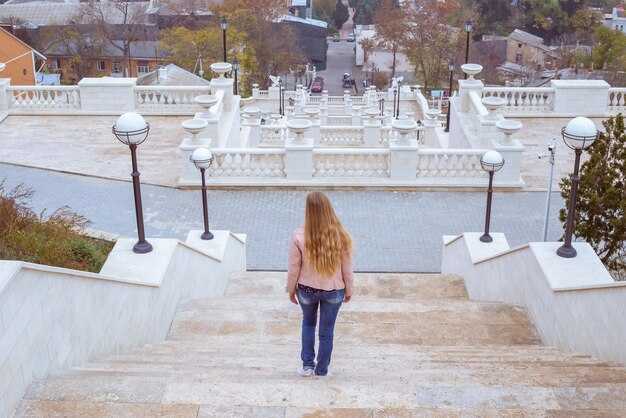
Right away, buy an online Pena entrance combo with skip-the-line access to the rocky terraces; this option gets you through the entrance quickly, reducing the wait and leaving more time to explore heritage sites that draw travellers from travel circles spread across Sintra's region towards the coast.
For those who visited multiple sites, the Sintra heritage regional pass is a strong choice. It spreads access across key venues, often covering two or more major landmarks and offering discounted or free entrance. If your plan includes Pena, Moorish Castle, and the grounds at Quinta da Regaleira, the combined ticket usually represents the easiest way to complete the circuit without paying for each separately. Some passes also include a transit means that helps you move towards the next stop without extra fuss.
Tips to save time and plan efficiently
Book ahead online and pick the earliest entrance slot–the first hour after opening is a good bet, since the packed crowds spread toward later times. If you need to change plans on the day, the right option is to switch to an online combo; it gets you a reserved window and avoids long queues.
For travellers driving between sites, the easiest drive is to park near Bulhão or Portela and walk to the hilltop complexes, or take public rail from Rossio towards the hills. From Rossio, rail towards Pena avoids city traffic and saves time, and the coastline offers a quick detour for a beach stop. For surfers who want a break, the Pequena beach area is a common stop; before you go, a weather check helps decide whether to linger or switch to a sheltered place. If you keep a steady pace, you can complete a compact route in a single day and still have time for a snack and a couple of photos with the heritage vistas that are powerful and define the place.
Site-by-Site Practical Tips: What to See First and How Long to Spend
Begin at Pena Palace complex at opening (9:30–10:00) and set aside about 2.5 hours; buy tickets online in your browser to skip queues; parking nearby is limited, so use transportation from the town centre or arrive early. In winter the weather can be brisk, so plan proper layers, and you’ll enjoy the salty air without crowds that tourists bring; card payments are accepted at kiosks, but bringing cash helps, and this planning approach keeps the day efficient for yourself.
Morning sequence and first stops
From the opening point, walk 15–20 minutes along the hill to the Moorish Castle after you finish Pena Palace; the distance between the two is short and the viewpoints reward the climb. Allocate 1–1.5 hours for the castle and its walls, then switch to the nearby Quinta da Regaleira for another 1.5–2 hours. If you’re planning a day-trip from Lisbon, this combo is well-known and easily combined with a coastal excursion later. In winter the weather can shift quickly, so carry a light coat; the salty air and abundance of outlooks make every step worthwhile. Insider tip: buy tickets in advance and depart before the crowds to keep the pace quicker; a single browser transaction covers both sites if available.
Practical logistics and pacing
Parking is tight at the gate; consider taking transportation from the main rail station; distance between major places within the hill town is moderate, so walking along the pedestrian paths is a good option. If you want a longer finish, add a quick visit to the Monserrate estate or to the coastal beaches near Aroeira for a lighter end. Excursions from the hill town often depart in the afternoons; if you’re returning to Lisbon, use the quicker trains or buses. The night hours are pleasant when the weather is mild; planning around that can free more time for cafés and souvenir browsing. With this approach, you’ll love the diversity and avoid overscheduling, and you can love yourself more by keeping the plan flexible.
Handy Links and Official Resources for Fast Booking and Maps
Secure your accommodation and transport via the centre's official portals in advance; this gets your highly predictable pricing, fast confirmation, and less stress. Look for options within walking distance of a castle or near Rossio station; filter for cliff viewpoints or Moorish design, and choose a sítio with clear details. If you change plans, you'll have flexible terms, but booking ahead remains necessary to avoid gaps.
Official Booking Portals
Visit Visit Portugal for a consolidated search of accommodation across Europe, with filters for centre, distance to key hubs, and a range of local casas to hotels. Use the site listings to compare prices and book without delays; this means faster confirmation and fewer surprises. For rail travel, the CP Timetables page shows times, routes, and online booking on selected segments, helping you plan day trips to cliff edges and nearby beaches for surfing and bathing.
Another useful resource is the local authority portal cm-lisboa.pt, offering localised maps, walking routes, and insider tips about bars, live performance venues, and accommodation clusters around the centre. Look for flexible terms and early-bird rates to minimise risk, and prefer options with free cancellation or pay-at-arrival when you can. This means smoother changes if plans shift.
Maps and Local Navigation
For maps, rely on official transit data and city maps to plan routes from the centre to the castle district, the Moorish quarter, and roca cliff viewpoints. This powerful combination of maps and real-time updates is still the most reliable way to navigate; you'll see nearby stations, crosswalks, and walking times. Save offline versions from the sítio so you can use them even with limited data, and you can bear in mind that the area is busy on weekends. After a day on the coast, you can play in the bars or enjoy a relaxing bath nearby.