


 Українська
  English (UK)
  Русский
  বাংলা
বাংলা  العربية
  日本語
日本語  한국어
한국어  Magyar
  Norsk nynorsk
  Türkçe
  עִבְרִית
  Español
  Čeština
  Svenska
  Português
  Ελληνικά
  Suomi
Suomi  Nederlands
  Română
  Italiano
  Français
  Polski
  Deutsch
  简体中文
简体中文  Slovenčina
  Српски језик
  اردو
اردو  Azərbaycan dili
  O‘zbekcha
  አማርኛ
አማርኛ 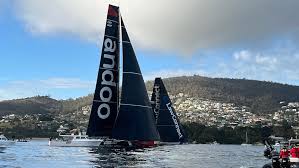 Sydney to Hobart Race: Navigating Death Valley, the Plateau of Pain, and Tasmanian Finish Lines">

Weather logistics: pressure, wind and fleet timing
A 1026 hPa high pressure cell centred over Tasmania is forcing a northward swing that places its southern quadrant over Sydney and the Tasman Sea, producing an onshore band of precipitation and a tight isobar pattern that materially affects start-line tactics and supply-chain timing for support vessels. PredictWind charts show a robust 25-knot baseline near the harbour mouth with higher gusts in the southerly fetch, but an abrupt decay is forecast as the fleet clears South Head and encounters the high’s lee.
How the pressure pattern turns a race into logistics planning
Strong initial winds favour a powered start under flying sails, yet the same pattern predicts a pronounced lull offshore — the so-called Death Valley effect—where parallel isobars produce vertical acceleration and relentless gust cycles. For shore teams and charter operators, this means adjusting tender schedules, provisioning windows and transport shifts for arriving crews to avoid the wet band forecast at Sydney’s approaches.
| Фаза | Місцезнаходження | Forecast Wind | Operational Impact |
|---|---|---|---|
| Start | Sydney Harbour | 20–30 knot gusts | Secure flying sails; tender delays likely |
| Offshore | Waters north of South Head | Variable, decreasing | Rapid sail changes; risk of gear overuse |
| Approach | Storm Bay / River Derwent | <5 kt (Plateau) | Drift tactics; tow or finish-window planning |
Death Valley and the Plateau of Pain — what crews face
The first stage, nicknamed Death Valley, is defined by parallel isobars and sharp vertical acceleration that can exhaust crews through repeated gusts and chop. After 40-plus hours, many sailors will be managing hydration and motion tolerance rather than fine sail trim. Following that comes the Plateau of Pain in the River Derwent and Storm Bay where winds often drop below five knots from the north, creating long, tactical drifts that reward patience and a clever read of current and tide.
Practical on-deck recommendations
- Stow extraneous running rigging before rounding South Head; avoid last-minute reefing while gusts are variable.
- Rotate watch cycles to manage fatigue during the 40+ hour window; prioritise hydration and electrolyte replacement.
- Plan for light-air tactics on approach: kite changes, try-sheets, and pre-positioning for tidal pushes into the Derwent.
- Charter and shore crews should stage spare wet-weather gear and be ready for rapid transfer once boats reach Hobart.
The tactical dichotomy—blast out of the heads under powerful gusts, then endure long, near-calm legs—means that support logistics (transport, berthing allocation, walking tours timed for arrivals) must be flexible. Tourist operators and event planners in Hobart and along the Tasmanian coast will see arrival spikes concentrated in late afternoon and evening windows based on the high’s longitudinal movement.
Tourism and spectator considerations
For visitors planning to combine race spectating with local activities, light-air finishes often extend arrival times and create opportunities for shore-based sightseeing such as museum visits and curated harbour cruises. Operators offering музейні екскурсії з живими гідами, ексклюзивні чартери яхт для заходівабо круїзні пакети can tailor timing to expected fleet arrivals, while land-based vendors should anticipate periodic surges in demand for transport and hospitality services.
PredictWind remains a go-to for updated routing; race teams should also monitor tidal windows down the Derwent and coordinate pick-up points to minimise tender congestion. For photographers and travel-planners, the alternation between dramatic gusts and gentle plateaus makes for varied images and switching between high-energy пригодницькі заходи and relaxed harbour-side experiences.
Key takeaways at a glance: the 1026 hPa high forces a two-stage race scenario—initially powerful, then painfully light—so flexibility in logistics, crew rotation, and tourist scheduling is essential. When planning a trip around the race, factor in potential delays and book local experiences in advance to secure preferred time slots and transport.
GetExperience lets travellers make full and secure payments online with voucher confirmation issued afterward, and enables submitting tailored requests for tours or excursions so providers can offer the best-matching options. On GetExperience, you book your experience from verified providers at reasonable prices, ensuring convenience, transparency and peace of mind when lining things up вечірки на яхтах, пригодницькі рафтинг-подорожі для початківців, or shore excursions during the Sydney Hobart finish—Book your Trip GetExperience.com
In summary, the race will hinge on the interplay between strong early gusts and the slow-moving high that creates a calm plateau near Hobart. Logistics teams, race crews, and visitors should prepare for rapid sail handling, long light-air tacks, and variable arrival windows. Whether you are chasing adrenaline via luxury adventure travel experiences, seeking eco-friendly wildlife safaris, or booking interactive online cultural workshops in between onshore events, anticipate adjustments and plan accordingly. The mix of досвід подорожей, пригодницькі заходи, віртуальні тури онлайн and shore-based offerings ensures there is something for every kind of traveller during the Sydney Hobart spectacle.