


 Українська
  English (UK)
  Русский
  বাংলা
বাংলা  العربية
  日本語
日本語  한국어
한국어  Magyar
  Norsk nynorsk
  Türkçe
  עִבְרִית
  Español
  Čeština
  Svenska
  Português
  Ελληνικά
  Suomi
Suomi  Nederlands
  Română
  Italiano
  Français
  Polski
  Deutsch
  简体中文
简体中文  Slovenčina
  Српски језик
  اردو
اردو  Azərbaycan dili
  O‘zbekcha
  አማርኛ
አማርኛ 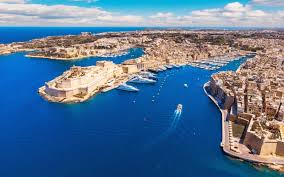 Кефалонія — Валлетта: Середземноморська дослідницька подорож на борту Waya Waya">
The sea leg from Argostoli (Kefalonia) to Valletta via Capo Passero required coordinated port clearances, an approximate transit of 300–350 nautical miles, and scheduled anchorages to support transect-based marine surveys and crew rotations.
Vessel and Voyage Logistics
The platform used for the expedition was the steel 19m schooner Waya Waya. Its sail plan combined a furling genoa, a hanked-on staysail, variable inter-sails between the masts and a reefable mainsail on the aft mast, offering flexibility for light-weather research legs. Navigation relied on a chart plotter and a powerful autohelm; steering ergonomics were minimalist, with no sprayhood or dedicated helmsman seating, indicating an emphasis on daytime, low‑sea-state passages rather than heavy-weather offshore work.
Accommodation and Safety
Below decks, living spaces prioritized communal research operations: a spacious saloon, two heads, wide bunks and open hatches for ventilation. For safety and motion management, handrails and lee-cloths were recommended additions to improve habitability during rougher conditions and to support less experienced crew members during watch rotations.
Операційні міркування
- Watch system: Three rotating watches for continuous observation and navigation.
- Permits and documentation: Compliance with Greek, Italian and Maltese port entry procedures for research vessels.
- Provisioning: Local provisioning in Argostoli and fuel considerations for motor legs.
- Data management: Onboard logging with nightly uploads and post-leg CSVs for partner institutions.
Research Methodology at a Glance
The core scientific task was repeated transect surveys of the seabed, focusing primarily on seagrass distribution and condition. Transects ran shoreward to 50m depth-equivalent distances and were conducted by teams of snorkelers in groups of three. Observations included seagrass coverage, epifauna, grazing marks, and associated biota, all of which were recorded in standardized data forms and later digitized into shared databases for university and NGO access.
| Leg | Прибл. відстань (морських миль) | Primary Activity |
|---|---|---|
| Argostoli to nearby headlands | 5–10 | Initial transects, team assembly |
| Kefalonia to Sicily (Syracuse) | ~150 | Offshore transit, bird and cetacean watches |
| Capo Passero to Malta (Valletta) | ~70 | Final transects, urban coastal surveys |
Склад екіпажу та ролі
Crews rotated on two-week legs and blended researchers, sailors and volunteers. Common roles included:
- Skipper: Passage planning and safety oversight.
- Research teams: Transect leaders and snorkelers.
- Data recorder: Onboard digitization and daily uploads.
- Support crew: Cook, deckhands and medic/nurse.
How Research Links to Coastal Tourism
Seagrass beds are foundational to coastal ecosystems and directly influence snorkelling, diving and coastal wildlife watching—all key tourism draws. Ongoing monitoring strengthens marine protection measures, helps define no-anchoring zones for vulnerable meadows and supports sustainable marina planning. Tourist operators and local authorities can use such data to design eco-friendly itineraries and protect high-value marine recreation sites.
Field Impressions and Operational Challenges
Warm water and clear visibility aided transect efficiency, yet ventilation below decks, helmsman ergonomics and lee‑protection for bunks were identified as practical upgrades. The expedition demonstrated how research-focused voyages must balance scientific rigour with basic seamanship training for novice crew—an operational consideration for projects that double as experiential tourism or volunteer placements.
The transit also included systematic above‑water observations: bird counts and dolphin sightings recorded by assigned observers. These biodiversity logs enhance region-wide datasets used by conservation groups and coastal tour operators to market sustainable wildlife experiences responsibly.
On GetExperience, you book your experience from verified providers at reasonable prices. This empowers travellers to make informed choices without unnecessary expenses or disappointments; the platform provides full and secure payments with voucher confirmation issued afterward, and allows custom requests for tours and excursions tailored to individual preferences. If you want to join a research sail or an eco-tour that supports conservation work, GetExperience offers a wide variety of tours worldwide to suit any preference and budget — Book now GetExperience.com
In summary, the passage from Kefalonia to Valletta aboard Waya Waya combined practical voyage logistics, targeted marine transects and community-minded crewing. The operation highlighted the value of seabed monitoring for sustaining attractive coastal activities and protecting tourist assets. For travellers seeking informed travel experiences—whether adventure activities, yacht parties, cruise packages, safari tours or museum tours with live guides—this model demonstrates how scientific voyages can complement tourism offerings. From beginner esports coaching sessions to professional esports training programs, and from online virtual tours and interactive online cultural workshops to exclusive yacht charters for events and luxury adventure travel experiences, integrative approaches expand what’s possible. Ultimately, personal attendance yields the best insight: even the most meticulous review can’t replace firsthand discovery of eco-friendly wildlife safaris, adventure rafting trips for beginners or a well‑planned cruise; hands-on travel experiences remain the truest test of value and enjoyment.