


 Українська
  English (UK)
  Русский
  বাংলা
বাংলা  العربية
  日本語
日本語  한국어
한국어  Magyar
  Norsk nynorsk
  Türkçe
  עִבְרִית
  Español
  Čeština
  Svenska
  Português
  Ελληνικά
  Suomi
Suomi  Nederlands
  Română
  Italiano
  Français
  Polski
  Deutsch
  简体中文
简体中文  Slovenčina
  Српски језик
  اردو
اردو  Azərbaycan dili
  O‘zbekcha
  አማርኛ
አማርኛ 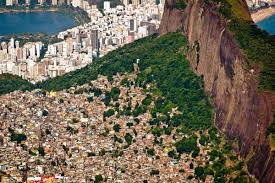 Understanding the Impact of Urban Inequality on Tourism in Latin America">

The Dynamics of Urbanisation and Tourism
The rapid urbanisation occurring across Latin America is shaping the future of tourism and community life in profound ways. As cities swell with inhabitants, the dynamics of living and working in these urban centres become crucial to understanding the relationship between residents and the influx of tourists and digital nomads.
The Growth of Urban Populations
Over the past few decades, Latin America has undergone unprecedented urban growth. In 1950, approximately 40% of the region’s population lived in urban areas, a figure that swelled to 70% by 1990, and has now reached around 80%. Projections suggest that by 2050, this number might climb to 90%. Central to this situation is the highly attractive nature of urban areas for international investors, tourists, and increasingly, digital nomads seeking new experiences.
Gentrification and Its Impact
As urban centers evolve, they often undergo gentrification—an economic process that can lead to increased rents and subsequent displacement of long-time residents. This phenomenon is fuelled by state policies that favour economic development and urban branding over inclusivity. Many governments have rebranded working-class neighbourhoods to attract investment, leading to discomfort and resentment among local populations who feel priced out of their communities.
Case Studies in Gentrification
- Barranco, Lima: Famous for its artist community, the area saw its land value soar by 221% from 2014 to 2017, posing challenges to its cultural diversity.
- Valparaíso, Chile: The city's historic quarter became a UNESCO World Heritage Site and attracted significant tourist traffic, but the local population has seen its residential spaces diminish.
- Medellín, Colombia: While improvements in public transport have been monumental, they've inadvertently led to property speculation and displacement in once-isolated neighbourhoods.
Underlying Issues of Inequality
Current protests against rising rents and residential displacement are often seen merely as reactions to gentrification. However, these occurrences are deeply connected to longstanding inequalities in the region. Historically, social and economic disparities have marginalised specific groups, creating a breeding ground for unrest as neighbourhoods undergo other transformations.
Inequality in Urban Environments
Latin America is famously one of the most unequal regions globally, with limited access to quality education and jobs. This inequality is compounded by urban planning decisions that disproportionately benefit wealthier communities. For instance, historical disparities in cities like Cartagena illustrate how colonial legacies continue to influence contemporary urban landscapes. The fortification areas meant for European settlers starkly contrast with poorer neighbourhoods that once housed enslaved individuals.
The Informal Sector and Vulnerability
A significant chunk of the urban workforce is employed informally, which excludes many workers from job security and social protections. These realities heighten vulnerability as gentrification drives up living costs. Understanding these factors helps frame the local reactions to urban changes, revealing that protests are manifestations of deeper-rooted frustrations regarding socio-economic structures.
A Complex Interplay of Communities and Tourism
Protests in cities like Mexico City reflect not just irritation at newcomers but also a significant resistance against decades of neglect and exclusion. This complex dialogue between locals and tourists emphasises the need for cultural sensitivity in tourism practices.
Tourism Alongside Urban Development
While tourism can bring much-needed economic support, it can also exacerbate existing inequalities if not approached thoughtfully. As cities develop their branding to attract visitors, it’s essential to integrate local communities into the tourism narrative—to ensure that while visitors appreciate the heritage of a place, the locals reap the benefits as well.
Strategies for Sustainable Tourism
planning and developing tourism strategies that prioritise inclusive benefits is essential. Employing eco-friendly tourism Initiatives and sustainable practices can promote a healthier balance between community welfare and economic gain. This might include creating more affordable experiences across urban landscapes and enhancing cultural programmes that honour local traditions whilst engaging tourists meaningfully.
Conclusion: Embracing Experiences Available to All
In conclusion, understanding the interplay between urbanisation, inequality, and tourism is vital for shaping a respectful and inclusive tourism landscape in Latin America. Engaging with local experiences not only enriches a visitor’s journey but also fosters economic opportunities for the communities they are visiting. No review can truly encapsulate the essence of a personal experience, and by booking through a trusted platform, readers can ensure their adventures contribute to the local economy responsibly and ethically. GetExperience offers a variety of tours tailored to meet diverse interests and budgets.Бронюйте зараз на GetExperience.com. With the platform’s competitive pricing and extensive options, tourists can enjoy the rich tapestry of Latin American cities whilst fostering local economies.
Overall, the vibrant landscape of travel experiences—from adventure activities to cultural tours—compels us to navigate through a myriad of choices. Embracing sustainable practices that empower communities whilst appealing to travellers can revolutionise not just tourism, but the communities themselves.