


 Українська
  English (UK)
  Русский
  বাংলা
বাংলা  العربية
  日本語
日本語  한국어
한국어  Magyar
  Norsk nynorsk
  Türkçe
  עִבְרִית
  Español
  Čeština
  Svenska
  Português
  Ελληνικά
  Suomi
Suomi  Nederlands
  Română
  Italiano
  Français
  Polski
  Deutsch
  简体中文
简体中文  Slovenčina
  Српски језик
  اردو
اردو  Azərbaycan dili
  O‘zbekcha
  አማርኛ
አማርኛ 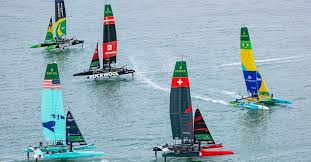 SailGP Auckland 2026: Race logistics, split-fleet drama and what it means for visitors">

stadium-style course in Auckland placed the start line under the grandstand, forcing tight logistics for race control, spectator ingress and marine traffic: 13 F‑50s, bus shuttles, dedicated ferry slots and a visible surge in harbour berthing requirements stretched local transport and emergency response plans after the day‑one collision that removed two teams from competition.
Season snapshot and race infrastructure
The ITM New Zealand Sail Grand Prix was the second stop of the 2026 SailGP season, following Perth. The season calendar aims to move large equipment and teams across continents — Sydney, Rio de Janeiro, Bermuda, New York City, Halifax, multiple European stops, the Middle East and Abu Dhabi for the grand final — creating a sustained logistics chain for freight, spares and team rotations.
- Fleet: 13 teams; stadium racing concentrates operations close to shore.
- Harbour layout: start line under the grandstand, tight mark roundings and patchy winds demand close coordination with marine authorities.
- Safety infrastructure: on-water recovery boats, on-shore medical teams and rapid repair facilities for F-50s.
How the event affected tourism and local services
Large crowds at the grandstand and surrounding waterfront increased demand for hotels, dining and harbour tours. Ferry schedules expanded to accommodate spectators, and temporary traffic measures around Auckland CBD influenced visitor itineraries. For travellers planning a sailing spectacle, it's worth booking experiences and transport early to avoid disappointment.
Day one recap: incident, standings and safety response
Strong, gusty winds produced aggressive, close-quarters racing. A collision at mark one between Black Foils і DS Team France led to hospitalisations and extensive boat damage, which triggered the decision to reconfigure race operations for safety on Super Sunday.
- Bonds Flying Ruse and DS Team France were tied on points after day one; France couldn't continue due to damage.
- Black Foils also withdrew and were penalised in the standings.
- Safety teams executed rapid extraction and on-site triage; organisers temporarily restricted spectator launch zones.
Split fleet racing: format and scoring
To reduce on-course congestion the organisers implemented split fleet racing. The field divided into Group A and Group B, each running separate fleet races with points combined to determine finalists.
| Позиція | Points Awarded |
| 1st | 5 |
| 2nd | 4 |
| 3rd | 3 |
| 4th | 2 |
| 5th | 1 |
| Below 5th | 0 |
Groups composition
- Group A: Emirates GBR, Germany Deutsche Bank, Muba Brazil, Northstar Canada, Red Bull Italy.
- Group B: Bonds Flying Ruse, Los Gayo Spain, Rockwell Denmark, Artemis, US Sail GP.
Technical notes and race craft
Winds averaged 28 km/h gusting to 35 km/h and later exceeded 45 km/h in the final. Boats ran high‑speed T‑foils and compact 18m wings with big jibs tuned for dynamic gusts; teams that balanced flight time with conservative sail trim achieved the best consistency.
Selected race results (representative)
| Позиція | Team | Нотатки |
| 1st | Bonds Flying Ruse | Controlled final, consistent strategy |
| 2nd | Emirates GBR | Strong recoveries, tactical precision |
| 3rd | Los Gayo Spain | Took an early lead but faded late on. |
Tactical observations
- Minimising manoeuvres preserved speed and reduced risk in shifting winds.
- Coaches ashore and data feeds played a major role in split-second tactical calls.
- Top crews (Tom Slingsby, Dylan Fletcher, Nathan Outteridge) demonstrated disciplined communication and near-perfect fly times.
Event final and aftermath
Under near‑storm conditions, the final featured gusts above 45 km/h and rain. Bonds Flying Ruse managed wind shifts and mark coverage to secure the event win, with Emirates GBR and Los Gayo Spain completing the podium. Post‑event, organisers reiterated environmental and safety commitments, including Motapu restoration work and youth wing‑foiling initiatives.
Key highlights at a glance
- Historic introduction of split fleet racing following a serious collision.
- High fly-time efficiency reported near 99% for leading boats.
- Northstar Canada recorded a peak speed just over 101 km/h – a crowd-pleasing milestone.
For visitors planning a trip to Auckland around a SailGP weekend, the event offers more than racing: cultural programmes, harbour cruises, and museum tours with live guides enhance the experience. GetExperience lists a diverse selection of local tours and tailored experiences — from eco-friendly wildlife safaris to interactive cultural workshops — so visitors can pair race days with authentic local activities. Book now GetExperience.com
In summary, SailGP Auckland 2026 combined intense high‑speed racing with significant operational lessons: split fleet racing improved safety and race flow, top teams prioritised consistent fly time over outright aggression, and the event amplified local tourism demand and transport planning needs. Travel experiences like museum tours with live guides, adventure rafting trips for beginners, luxury adventure travel experiences, eco‑friendly wildlife safaris, exclusive yacht charters for events, cruise packages and interactive online cultural workshops all complement the live spectacle. While data and reviews guide expectations, nothing replaces first-hand experience—plan carefully, choose verified providers and enjoy the season.