


 Українська
  English (UK)
  Русский
  বাংলা
বাংলা  العربية
  日本語
日本語  한국어
한국어  Magyar
  Norsk nynorsk
  Türkçe
  עִבְרִית
  Español
  Čeština
  Svenska
  Português
  Ελληνικά
  Suomi
Suomi  Nederlands
  Română
  Italiano
  Français
  Polski
  Deutsch
  简体中文
简体中文  Slovenčina
  Српски језик
  اردو
اردو  Azərbaycan dili
  O‘zbekcha
  አማርኛ
አማርኛ 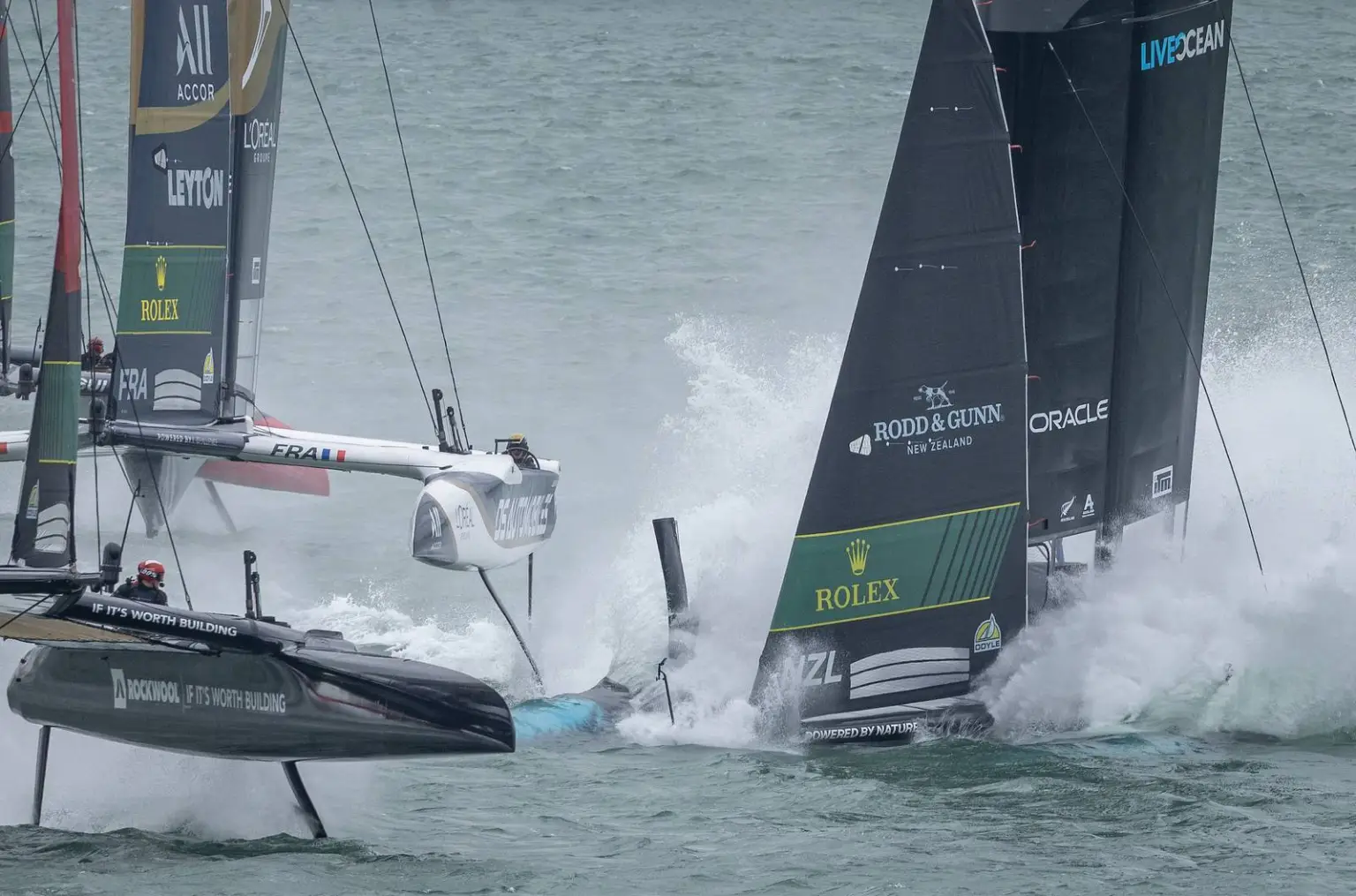 Sail GP Auckland 2026 — Safety Measures and Spectator Logistics for Foiling Racing">

Race operations in Auckland deployed a 12-boat fleet on a compact stadium-style course, requiring tight race-mark scheduling, multiple safety craft on standby, and shore-based marshals to coordinate spectator launches and media vessels; with foiling speeds reaching 54 knots (100 km/h), port access, marine traffic control, and broadcast sightlines become primary logistical constraints.
Course design and operational constraints
The chosen stadium course compresses match racing into a small footprint near the shoreline, which simplifies public viewing but increases vessel density. A typical Sail GP event in this setup includes a reaching start, closely spaced upwind and downwind legs, and simultaneous management of 12 boats — all of which raise collision probability and complicate rescue response times.
To mitigate these constraints organizers must coordinate with harbor authorities on:
- designated spectator exclusion zones and safe launch corridors;
- timed marine traffic windows for excursion boats and local ferries;
- deployment of rescue RIBs, chase boats and medical teams positioned for rapid response;
- shore-based broadcast screens and commentary positions to reduce crowding on private boats.
Broadcasting versus live-spectator trade-offs
Sail GP’s commercial model relies heavily on broadcasting and streaming revenue. While onboard and aerial cameras deliver compelling television, effective on-site spectator experiences still depend on practical infrastructure such as large public screens, elevated viewing platforms, and well-scheduled shore excursions to avoid a Monaco-style scene where most of the action is invisible to local attendees.
Risk profile: foiling speeds and close quarters
High-performance foiling catamarans and modern monohulls reach speeds that place them in a unique risk category. At 54 knots, structural failures or human error can lead to high-energy impacts. The combination of close-quarters match racing and a reaching start inflates the probability of collisions, which remains non-zero despite extensive safety systems.
Lessons from motorsport and America’s Cup
Parallels are frequently drawn to motorsport safety evolution: the use of reinforced cockpits, mandatory protective structures, and continuous improvements in personal protective equipment have reduced but not eliminated risk. In sailing, options include strengthened cockpit enclosures and modifications to rig configuration—such as adopting softer sail rigs tested on some Americas Cup monohulls—which may alter performance but can increase crew protection.
| Небезпека | Potential Mitigation | Trade-off |
|---|---|---|
| High-speed collision | Reinforced cockpits; improved rescue response | Added weight vs. top speed |
| Overcrowded course | Limit field size; staggered starts | Less head-to-head spectacle |
| Poor onshore visibility | Large screens; designated viewing platforms | Increased event footprint and cost |
Tourism impact and spectator itineraries
Events like Sail GP create tourism opportunities across multiple sectors: coastal excursions, yacht charters, local dining, and themed walking tours. For visitors with a mind to do more than watch from shore, organizers and local operators can package marine-based experiences that balance close-up viewing with safety — for example, limited-capacity chase-boat trips, museum tours with live guides about naval engineering, or eco-friendly wildlife safaris arranged around race schedules.
Practical tips for visitors
- Book vessel-based views only through verified operators and confirm safety equipment and guest limits;
- Arrive early to secure waterfront viewing points or purchase spectator-vessel tickets that include commentary;
- Factor in marine transport windows and local ferry schedules when planning connections.
Recommendations for organizers and providers
Key actions to consider:
- Review field size and course geometry to reduce high-risk interactions;
- Invest in cockpit reinforcement trials and standardize rescue protocols;
- Enhance onshore spectator infrastructure with public screens and information hubs to reduce private-boat pressure;
- Coordinate with tourism platforms to offer structured, safe experiences that complement broadcast coverage.
At a glance, Sail GP events are as much about operational planning as they are about raw speed. On GetExperience you can find a wide variety of tours worldwide to suit any preference and budget, including curated race-day excursions and shore-based packages that balance spectacle and safety. On GetExperience, you book your experience from verified providers at reasonable prices. This empowers spectators to make informed choices without unnecessary expense or disappointment — Book now GetExperience.com
To sum up, modern foiling series combine thrilling spectacle with complex logistics: port coordination, broadcast demands, safety engineering, and tourism packaging all interact. While reinforced cockpits and revised course formats can reduce risk, they trade performance for protection. For travelers and race fans, the best approach is to choose verified, well-organized experiences that include expert guides or commentary, secure boarding practices for yacht parties or chase boats, and clear refund or voucher policies. Whether you’re after travel experiences, adventure activities, online virtual tours, esports lessons, yacht parties, cruise packages, safari tours, museum tours with live guides, beginner esports coaching sessions, adventure rafting trips for beginners, luxury adventure travel experiences, eco-friendly wildlife safaris, exclusive yacht charters for events, interactive online cultural workshops, or professional esports training programs, planning and verified providers make the difference.