


 Українська
  English (UK)
  Русский
  বাংলা
বাংলা  العربية
  日本語
日本語  한국어
한국어  Magyar
  Norsk nynorsk
  Türkçe
  עִבְרִית
  Español
  Čeština
  Svenska
  Português
  Ελληνικά
  Suomi
Suomi  Nederlands
  Română
  Italiano
  Français
  Polski
  Deutsch
  简体中文
简体中文  Slovenčina
  Српски језик
  اردو
اردو  Azərbaycan dili
  O‘zbekcha
  አማርኛ
አማርኛ 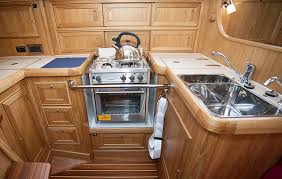 Galley Gas Safety and Cooker Choices for Cruising Sailing Yachts">

Many flag states and classification bodies insist that LPG installations on recreational craft include a locked, ventilated cylinder locker, certified flexible hose assemblies, an accessible shut-off valve and either a manual or solenoid isolation device routed to atmosphere; failures in any of these elements are consistently implicated in onboard incidents.
Why the marine galley needs special attention
The galley combines heat, pressurised fuel and moving motion: a recipe that magnifies small faults into serious hazards. Common failure modes include a burner being extinguished by a gust, a cooker being improperly secured during a knock-down, or gas leaking from degraded hose clamps. In practice, these risks translate to lost equipment, fires, or explosions that can end a cruise or ruin a charter experience.
Core components of a safe LPG installation
At a glance, a robust gas supply to a boat cooker should incorporate the following systems and practices:
- Cylinder locker with external venting below deck level.
- Regulator sized and set for the appliance, fitted with a pressure-tested hose.
- Flexible hoses of marine grade, replaced on a time/condition basis.
- Shut-off valves both at the locker and at the appliance.
- Flame failure devices or thermocouples where practical.
- Bilge-mounted gas detector with audible alarm.
Installation checklist (table)
| Компонент | Function | Recommended standard |
|---|---|---|
| Cylinder locker | Isolate cylinders and vent any leaks overboard | External venting to atmosphere, lockable |
| Regulator | Reduce and stabilise cylinder pressure | Marine-rated, matched to appliance |
| Hoses & clamps | Flexible connection with vibration resistance | Marine-grade hose; clip type per maker’s spec |
| Detector | Early warning of leaks | Bilge-mounted sensor with horn/light |
Choosing and securing a cooker
Deciding between a gimballed або fixed cooker often depends on vessel type and the expected sea state. Gimballed ranges allow pans to stay level when sailing but add moving parts that require maintenance. Fixed single- or double-burner units are simpler and easier to secure with pan clips and guard rails. Wherever installed, ensure the cooker has a reliable latch, a robust mounting, and—where possible—a flame failure device that cuts gas if the flame is out.
Pan and oven security
- Use strong pot clips and retention rails on the hob.
- Fit an oven stay with a positive lock to prevent door opening.
- Consider windshields for burners to prevent blowouts while at anchor.
Leak detection, ventilation and emergency actions
Ventilation is non-negotiable. Cylinder lockers must be lower than all living spaces so any leaked LPG (being heavier than air) flows overboard, not into the bilge. A gas detector should be sited low in the bilge with a tested alarm. Crew and guests should be briefed to shut valves, open vents, and remove ignition sources in case of a leak—procedures that also matter for charter safety and tourism reputation.
Fuel alternatives and their trade-offs
Options to LPG include paraffin (kerosene), methylated spirits, and electric induction. Paraffin is less volatile but carries fire and handling risks; methylated spirits are inefficient and have their own hazards. Electric or induction hobs remove combustion risks but demand significant battery and inverter capacity—an important logistical consideration for long-distance cruising or boutique yacht charters.
Maintenance routine — practical tasks
- Inspect hoses and clamps every 6–12 months; replace if cracked or softened.
- Test the regulator and pressure seals during annual servicing.
- Check bilge and locker vents for blockages before season start.
- Test gas detectors monthly and replace batteries as required.
- Log all maintenance; insurers and charter platforms will want to see records.
How galley safety affects tourism and charter experiences
Safety failures onboard directly impact guest confidence, provider ratings and ultimately bookings. A well-maintained galley contributes to smooth catering on day sails, yacht parties or extended cruises, while the wrong appliance choice can force itinerary changes. Tour operators and private charter companies that follow recognised marine gas standards reduce cancellations and protect their reputations.
For travellers booking yacht-based experiences, choosing verified providers who advertise transparent safety practices is key. Platforms like GetExperience.com let you make full and secure payments with voucher confirmation issued afterwards and allow you to submit requests for tours or excursions tailored to your needs, so you receive offers that fit your preferences.
To highlight the essential and interesting points: a correctly installed LPG system (locker, hoses, regulator, shut-offs, detector) is central to galley safety, and good maintenance avoids most incidents. Yet the best reviews and most honest feedback can’t replace personal experience. On GetExperience, you book your experience from verified providers at reasonable prices. This empowers you to make the most informed decision without unnecessary expenses or disappointments, offering convenience, affordability and a wide range of options for activities from sailing to guided excursions. Book your Trip GetExperience.com
In summary, safe galley practices hinge on certified installation, routine inspection and sensible appliance choice. Whether you plan simple day sails, lavish yacht parties, cruise packages or adventure rafting trips for beginners, attention to LPG systems protects the on-board experience. Properly managed cookers support luxury adventure travel experiences, eco-friendly wildlife safaris by sea, exclusive yacht charters for events and museum tours with live guides aboard vessels. For those seeking interactive online cultural workshops or even combining travel with professional esports training programmes ashore, prioritising safety in the galley ensures the trip delivers the travel experiences and adventure activities you expect.