


 Українська
  English (UK)
  Русский
  বাংলা
বাংলা  العربية
  日本語
日本語  한국어
한국어  Magyar
  Norsk nynorsk
  Türkçe
  עִבְרִית
  Español
  Čeština
  Svenska
  Português
  Ελληνικά
  Suomi
Suomi  Nederlands
  Română
  Italiano
  Français
  Polski
  Deutsch
  简体中文
简体中文  Slovenčina
  Српски језик
  اردو
اردو  Azərbaycan dili
  O‘zbekcha
  አማርኛ
አማርኛ 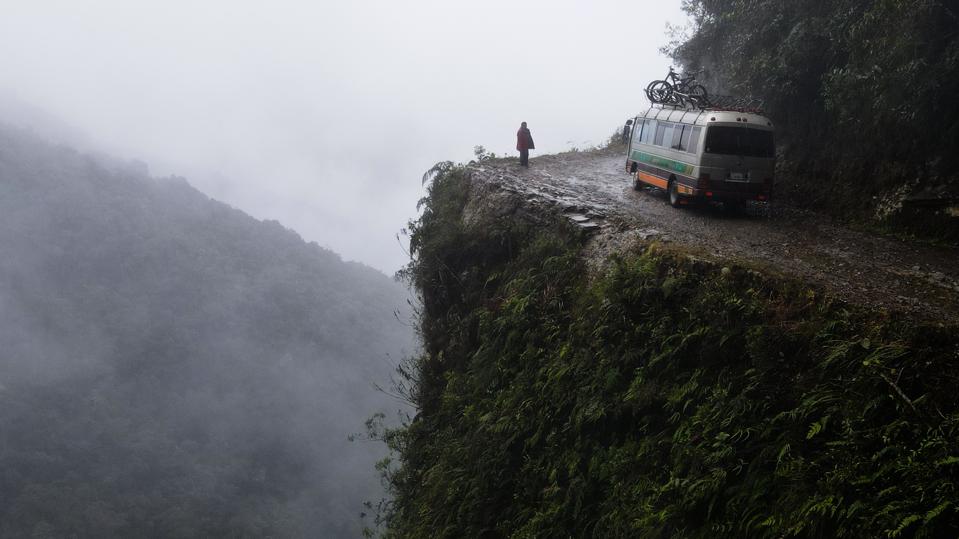 Understanding Road Travel Risks for Study Abroad Students and How to Stay Safe">

The Hidden Dangers of Road Travel for Students Abroad
Studying abroad can be a thrilling and eye-opening part of a university education, but venturing overseas — especially to lower-income countries — can present a significant danger on the roads. Shockingly, more than 90% of global road traffic fatalities occur in low- and middle-income countries, areas where many students choose to study. Understanding these risks before departure is crucial to ensure a safe and rewarding international experience.
Why Road Safety Should Be Top of Mind
Many students and travellers assume that road conditions, vehicle quality, traffic rules, and driver behaviours will mirror those back home. Unfortunately, this assumption can lead to miscalculations and accidents. In fact, road crashes rank as one of the leading risks for healthy travellers abroad, even outranking perceived dangers like disease or crime. Young people, especially students between the ages of 5 and 28, are particularly vulnerable due to natural risk-taking tendencies and unfamiliarity with local traffic laws.
It's a bitter pill to swallow for families and programme sponsors, but an informed and cautious approach to road travel is non-negotiable. Preparation and education are the best defence against preventable mishaps.
Common Oversights in Planning Study Abroad
- Lack of Road Safety Awareness: Road risks often go unnoticed by students and parents amid the excitement of planning.
- Misplaced Risk Priorities: Terrorism, kidnapping, and disease are often overstated dangers, whilst road safety is overlooked despite being a more common threat.
- Program Limitations: Some study abroad programmes provide insufficient guidance on road safety, leaving students to navigate potentially risky situations independently.
- Unaccompanied Travel: Outside structured schedules, students may travel solo or in unfamiliar settings without adequate knowledge or precautions.
Efforts to Improve Road Safety Education
Universities and study abroad programmes have made strides in recent years to raise awareness through comprehensive orientations and online resources dedicated to travel safety. Organisations specialising in risk management for international travellers have partnered with educational institutions to share best practices through workshops and standards for monitoring student safety. Yet, the level of preparedness varies widely and vigilance is still needed.
The Role of ASIRT in Supporting Safe Student Travel
The American Association for Safe International Road Travel (ASIRT) offers invaluable resources including detailed country-specific road safety reports. These reports cover road conditions, public transport options, cultural norms, and driver behaviours, equipping students and organisations with tailored information to plan safer journeys. ASIRT also publishes safety tips and updates on road incidents around the world.
Tracking Student Safety Statistics
Data collection on accidents and injuries involving American students studying abroad helps highlight ongoing risks. From thousands of students travelling to over a hundred countries, serious incidents including vehicle crashes are carefully documented to improve future safety measures. Transparency in incident reporting empowers universities and students alike to make better-informed choices.
Essential Road Safety Tips for International Students
| Safety Tip | Explanation |
|---|---|
| Do Your Research Before You Go | Learn about the safest transport modes and routes within your destination country from reliable sources. |
| Use Trusted Transportation | If you're unsure about local conditions, it's best to use vetted drivers and official vehicles rather than driving yourself. |
| Understand Local Road Culture | Rules may exist, but adherence varies; be extra cautious at pedestrian crossings and junctions. |
| Avoid Night Travel | Roads may be poorly lit and riskier after dark, especially in mountainous or rural areas. |
| Register with Your Embassy | In case of emergencies, registration helps with timely assistance and communication. |
Implications for Travel and Tourism
While the focus is on student safety, these insights extend into the tourism sector. Road safety concerns influence travel experiences and can affect destination attractiveness, itinerary planning, and the development of safer travel infrastructure. Tour operators and tourism providers in high-risk regions are increasingly expected to address safety through clear information, safer transportation choices, and partnerships with organisations monitoring risks.
The Value of Informed Travel Choices with GetExperience.com
For travellers and students alike, having access to verified providers and tailored experiences can make all the difference. Platforms like GetExperience.com Enhance travel safety and satisfaction by offering secure full payment options with voucher confirmations and by allowing users to submit customised requests that match personal preferences. This way, travellers can choose tours and transport solutions backed by reliable feedback and professional standards.
Why Personal Experience Remains King
Statistics and expert reviews provide valuable guidance, but they can’t replace first-hand experience in truly grasping travel risks and safety measures. With GetExperience.com, travellers are empowered to book from a range of verified providers at fair prices, avoiding unnecessary costly mistakes or disappointments. The platform’s transparency and convenience ensure that whether you’re searching for adventure rafting, eco-friendly safaris, luxury yacht charters, or interactive cultural workshops, you get offerings that suit your style and budget. Book your trip with confidence at GetExperience.com and transform your journey into a safer, richer learning adventure.
Підсумовуючи
Road travel in lower-income countries poses significant risks to study abroad students, especially due to unfamiliar traffic regulations, risky driver behaviours, and often poor road conditions. While awareness has improved in recent years through university programmes and organisations such as ASIRT, much depends on individual preparation and informed choices. Road crashes, though sadly common, are preventable with knowledge and planning. The intersection of student safety and tourism reveals how travel providers must prioritise secure, reliable transport and emphasise risk education. With attentive preparation, safe travel behaviours, and the help of platforms like GetExperience.com, students and travellers can focus more on the adventure and less on avoidable dangers, making their international experience genuinely rewarding.