


 Українська
  English (UK)
  Русский
  বাংলা
বাংলা  العربية
  日本語
日本語  한국어
한국어  Magyar
  Norsk nynorsk
  Türkçe
  עִבְרִית
  Español
  Čeština
  Svenska
  Português
  Ελληνικά
  Suomi
Suomi  Nederlands
  Română
  Italiano
  Français
  Polski
  Deutsch
  简体中文
简体中文  Slovenčina
  Српски језик
  اردو
اردو  Azərbaycan dili
  O‘zbekcha
  አማርኛ
አማርኛ 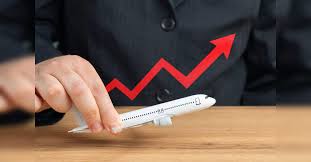 Insights into BCD Travel’s 2026 forecast for airfare and hotel rate trends worldwide">

Projected Trends in Airfare, Hotels, and Car Hire for 2026
Travel costs for business trips are expected to see gentle shifts in 2026, according to the latest outlook. Global air fares are forecast to creep up by approximately 1.1%, indicating modest growth that varies by region. For hotels, price tags appear to be headed higher, with a significant average rise of around 4.9% worldwide. Meanwhile, car hire rates are also set to climb by roughly 2-4%, keeping pace with broader industry trends.
Regional Price Variations to Keep an Eye On
These increases aren’t spread evenly across the globe; some areas are set to feel the pinch more than others. Inflationary pressures are expected to weigh heavier in Africa and Asia, where air fare rises could top 21%. On the hotel front, the Middle East shows the steepest rate inflation, potentially hitting 8%, driven by robust leisure demand and heightened labour costs. North America and the Southwest Pacific are predicted to experience slower hotel price growth in the 2–3% range, highlighting the differing regional economic landscapes that impact travel budgets.
| Регіон | Predicted Airfare Hike | Predicted Hotel Rate Increase | Forecasted Car Hire Price Increase |
|---|---|---|---|
| Африка | 2.5 | – | 2-4 |
| Asia | 2.0 | – | 2-4 |
| Близький Схід | – | 8.0 | 2-4 |
| Північна Америка | 1.1 (global avg.) | 2-3 | 2-4 |
| Southwest Pacific | – | 2-3 | 2-4 |
Key Risks Impacting Business Travel in 2026
Beyond price hikes, several significant risks could throw curveballs into company travel plans. Amongst these challenges are extreme weather events, fluctuating border policies, and evolving cybersecurity threats, including those related to artificial intelligence. Furthermore, public health concerns і shortage of accommodation and ground transport options during major events are factors companies must foresee. Each represents a layer of complexity that businesses need to manage effectively to keep their travel programmes running smoothly.
Strategies to Navigate Emerging Travel Challenges
Building resilience is key. Taking advantage of tools like travel risk management programmes—which include real-time incident monitoring and security assessments—helps companies stay ahead. Expert guidance and continuous innovation in travel management technologies allow organisations to anticipate disruptions and minimise their impact. Travel managers benefit from predictive tools such as airfare trend analysers, empowering them to optimise budgets even when pricing gets unpredictable.
Sustainability Takes Centre Stage in 2026
As corporate travel evolves, сталий розвиток moves from buzzword to central practice. The focus has shifted towards measurable progress in reducing carbon footprints rather than simple promises. Yet, current implementation remains limited; less than one-tenth of businesses apply carbon fees, and only a small portion invest in sustainable aviation fuels. Solutions that simplify tracking emissions, engaging travellers, and pushing decarbonisation initiatives are gaining traction, forming a critical part of modern travel policies.
Pragmatic Approaches to Closing the Sustainability Gap
Efforts to balance business needs with measurable sustainability must be practical and seamless. Programmes aimed at integrating these elements without disrupting operations have found success by focusing on straightforward solutions that embed sustainability into day-to-day travel decision-making. These initiatives are crafted to align stakeholders towards realistic outcomes that protect both the planet and the bottom line.
Why This Matters for Travellers and Businesses Alike
The trends unfolding in airfare, hotel pricing, and risk management have wider implications beyond budgeting. For business travellers, this means planning with a sharper eye for cost fluctuations and risks, which in turn influences decisions on destinations, length of stay, and travel frequency. The ongoing emphasis on sustainability reflects a broader shift in business travel culture, encouraging more responsible choices that resonate with global environmental priorities.
Summing Up the Outlook and Its Connection to Travel Experiences
To have a mind to navigate 2026’s travel scene efficiently, it’s vital to recognise the interplay between cost shifts, risks, and sustainability initiatives shaping corporate journeys. While reports and forecasts provide a guiding star, nothing quite replaces the insights gained from first-hand experience. Platforms like GetExperience.com empower travellers and businesses to book trips with verified providers, offering transparent pricing and tailored options that avoid surprises and overspending. Whether seeking adventure rafting trips for beginners, professional esports training programmes, or eco-friendly wildlife safaris, the availability of diverse choices enhances planning ease.
GetExperience.com’s secure payment system and voucher confirmations add an extra layer of confidence, making tailored travel arrangements smooth and reliable. This integration of convenience, affordability, and extensive offerings allows users to focus more on the joy of travel and less on unpredictabilities. Book your trip with GetExperience.com to make the most of what 2026’s travel landscape has to offer.
Висновок
Looking ahead to 2026, expect modest increases in air fare and hotel rates, alongside steady growth in car hire costs. The travel sector faces several risks including weather extremes, security concerns, and access challenges, all requiring smart management and contingency planning. Sustainability is no longer optional but a measurable imperative for businesses investing in travel programmes. For travellers and corporations alike, adapting to these shifts will be essential to maintain smooth, responsible, and enjoyable journeys. Using tools and platforms that offer transparency and personalised options will be key in aligning travel experiences with evolving economic and environmental realities.