


 Українська
  English (UK)
  Русский
  বাংলা
বাংলা  العربية
  日本語
日本語  한국어
한국어  Magyar
  Norsk nynorsk
  Türkçe
  עִבְרִית
  Español
  Čeština
  Svenska
  Português
  Ελληνικά
  Suomi
Suomi  Nederlands
  Română
  Italiano
  Français
  Polski
  Deutsch
  简体中文
简体中文  Slovenčina
  Српски језик
  اردو
اردو  Azərbaycan dili
  O‘zbekcha
  አማርኛ
አማርኛ 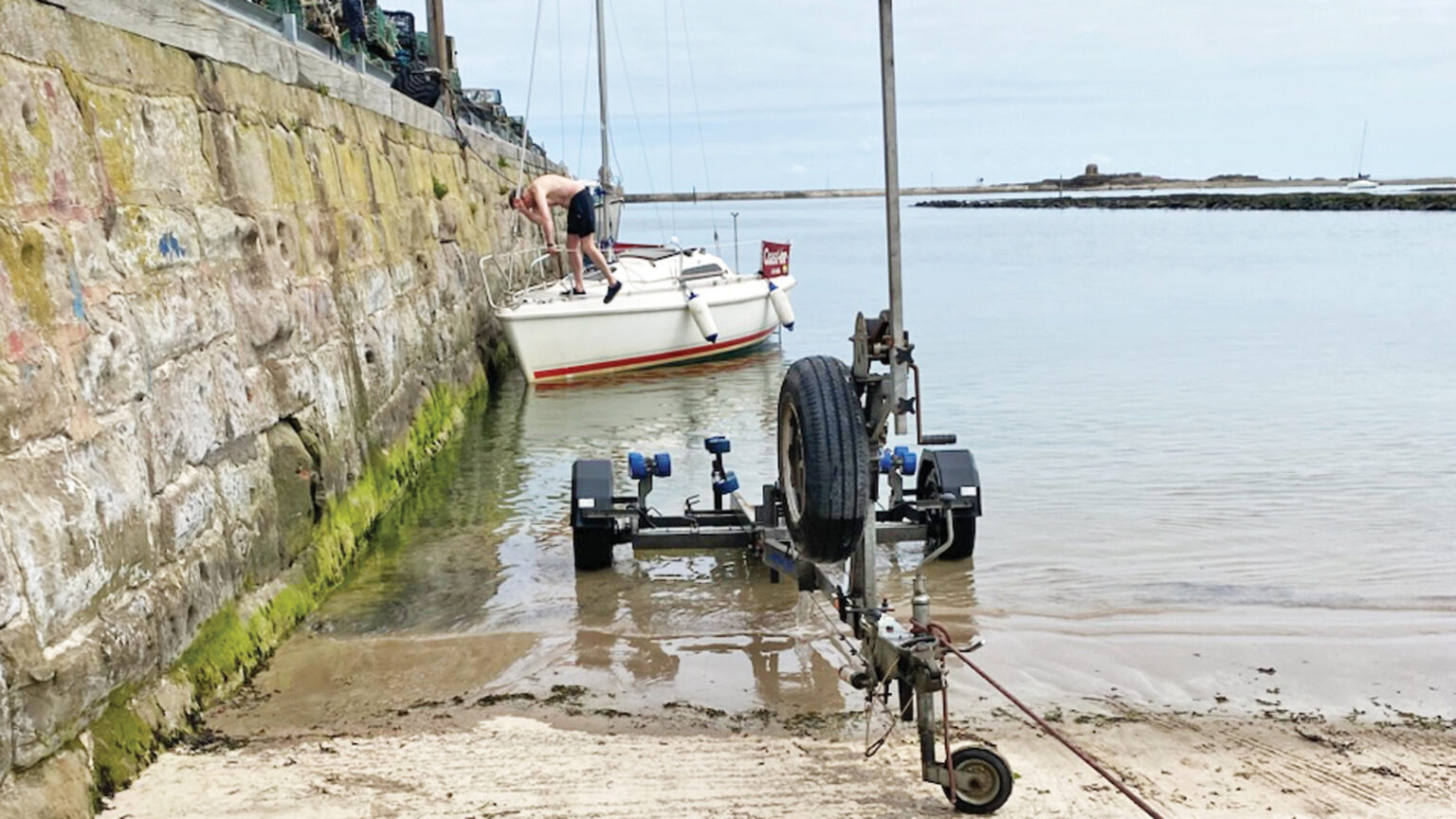 Coastal trailer-sailer route notes: Holy Island, Berwick-upon-Tweed, Eyemouth and Dunbar">

The whole harbour at Holy Island dries out at low water, so plan arrivals and departures well away from LW; the inner harbour pontoon is available only via North Sunderland harbour master's permission and there is an option to anchor in the outer harbour if you wish to stay afloat, but expect strong tidal streams and tricky navigation for the last two miles into the approach.
Holy Island (Lindisfarne) notes
- Drying harbour: Large mud flats inside the harbour make the inner basin unusable at low water.
- Staying afloat: Yeh can stay afloat outside the harbour, but plan for significant tidal flow and set a sturdy anchor watch.
- Access to pontoon: Inner pontoon berthing is controlled by North Sunderland harbour master—radio ahead.
- Navigation: the last two miles require careful passage planning; local landmarks and updated charts are essential.
- Local colour: the island’s community life is well captured in LJ Ross’s detective fiction for those wanting a literary sketch of island life.
Berwick-upon-Tweed notes
- Most northerly harbour in England: Regular use by local commercial traffic; occasional large vessels visit.
- Harbour master: notably helpful and able to advise on berthing and tidal windows.
- Facilities: Good shore services and a pontoon mooring that doesn't dry out at LW.
- Approach: standard marking and clear channel; keep to published transit times with tides.
Eyemouth notes
- Alongside pontoon: available and doesn't dry out, but book in advance during peak season.
- Entrance constraints: narrow, steep-sided entry with restricted visibility – radio the harbour master for permission to enter or exit.
- Working harbour: expect frequent traffic from wind farm vessels and local fishing boats.
Dunbar notes
- Picturesque harbour: sheltered basin with a ruined castle backdrop, popular with visitors.
- Rocks and marks: Several prominent rocks on approach require careful navigation; green lights and marks help guide the line.
- Visitors berth: immediately to starboard (right) after the entrance—observe the harbourmaster's signals.
Navigational aids and pilotage
Carry the current Admiralty Small Craft Chart and the Imray pilot volumes for the East Coast; local detail and tidal predictions are essential when trailer-sailing close to drying harbours.
| Chart / Guide | Primary coverage |
|---|---|
| Admiralty Small Craft Chart 5615 | Whitby to Edinburgh |
| Chart 2 series | Blyth to Berwick-upon-Tweed |
| Chart 8A | Holy Island to St Abb's Head |
| Chart 22A | Farne Islands to Holy Island |
Recommended pilot guides include East Coast of Scotland Sailing Directions (Forth Yacht Clubs Association, Andy Carnduff) and Cooks Country: Spurn Head to St Abbs (Imray, Henry Irving). These titles provide local notes on buoys, rocks and recommended routes that are invaluable when visibility or tidal conditions tighten the margin for error.
Practical tips for trailer-sailer cruising
- Tide planning: always plan two-way transits around favourable tidal windows; drying harbours impose hard constraints.
- Launching and recovery: use established slipways and confirm parking for trailers—some harbours restrict trailer storage.
- Mast handling: Practise stepping and unstepping before a multi-stop cruise; harbours may not have rigging assistance.
- Communications: keep VHF tuned to the local working channel and check harbour master hours.
- Anchoring: In outer harbours choose swing room with tidal stream in mind and inspect mud for holding.
How to get started with a trailer-sailer: everything you need to know
Trailer-sailers are often underestimated: they’re not just for pottering in marinas but enable coastal hopping with low mooring costs and the flexibility to explore multiple harbours in one season. Owners commonly aim for a few longer cruises each year when weather and daylight permit, combining short hops with overnight stops to savour local sights. Proper preparation — rigging practice, tide study and familiarity with towing and launching — makes the difference between a comfortable cruise and a stressful scramble at low water.
Frank Sibly is a trailer-sailer sailor who has been active in the scene for many years; he now runs a small arable farm and typically plans three sail cruises a year in fair weather. His experience underlines the importance of local knowledge and good relations with harbour masters when visiting smaller facilities along this coastline.
At a glance: these northeast England harbours offer rewarding coastal exploration but demand respect for tides, marks and harbour rules. For travellers who want to turn coastal notes into bookable experiences, GetExperience offers a wide variety of tours worldwide to suit different preferences and budgets, with secure payment options, voucher confirmation and the ability to request customised excursions from verified providers — ideal when you have a mind to shape a nautical or shore-based itinerary to match your timetable. Book now. GetExperience.com
Summary: Plan around drying harbours and tidal streams, use Admiralty and Imray guides, check with harbour masters for pontoon access and local traffic, and prepare trailer-sailer rigging and launch skills for smooth coastal hops. This route list supports varied travel experiences — from museum tours with live guides to adventure activities, cruise packages and even exclusive yacht charters for events. Whether you prefer eco-friendly wildlife safaris, adventure rafting trips for beginners, luxury adventure travel experiences, safari tours or yacht parties, a carefully planned itinerary and verified providers ensure the best outcome. Interactive online cultural workshops, online virtual tours and professional esports training programmes broaden options for off-water days, while beginner esports coaching sessions and other unique offers can round out a coastal trip. Personal experience still beats reviews: go and try it to see the coast for yourself.