


 Українська
  English (UK)
  Русский
  বাংলা
বাংলা  العربية
  日本語
日本語  한국어
한국어  Magyar
  Norsk nynorsk
  Türkçe
  עִבְרִית
  Español
  Čeština
  Svenska
  Português
  Ελληνικά
  Suomi
Suomi  Nederlands
  Română
  Italiano
  Français
  Polski
  Deutsch
  简体中文
简体中文  Slovenčina
  Српски језик
  اردو
اردو  Azərbaycan dili
  O‘zbekcha
  አማርኛ
አማርኛ 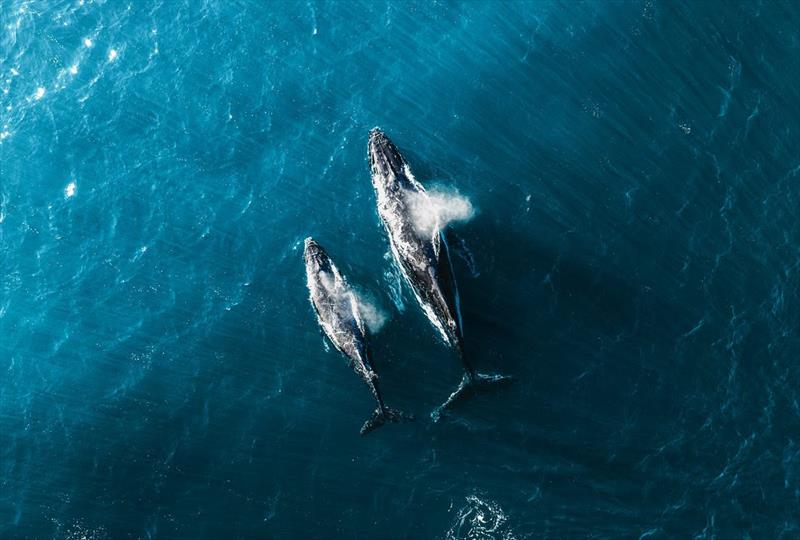 World Sailing and MMAG set new standards to reduce vessel strikes on marine megafauna">

Major ocean events are now expected to apply pre-race risk-assessment corridors, live reporting protocols and racecourse adjustments where satellite and survey data indicate high-density marine mammal presence to mitigate vessel strikes.
Key elements of the Marine Megafauna in Sailing guidelines
The guidelines published jointly by World Sailing і Marine Mammal Advisory Group (MMAG) sets out an operational framework for both competitive and recreational boating. They integrate a six-pillar strategy—Source & Share Information, Risk Assessment, Live Reporting, Technical Solutions, Education & Outreachі Collaboration—to create consistent mitigation across events and regions.
The manual goes beyond avoidance tactics by recommending a customizable Nature Action Plan for each event. The template guides organising teams through planning, monitoring and post-event evaluation so that race committees and federations can standardise responses to potential marine mammal interactions.
Practical measures and case studies
The guidelines compile case studies from major races—The Ocean Race, the E1 Series, the Transat Quebec Saint-Malo, the Transat CIC and classes such as IMOCA—illustrating how organisers have applied mitigation in real conditions. Examples include:
- Re-drawing racecourse areas to avoid critical biodiversity zones.
- Assigning marine mammal observers and linking to regional reporting networks.
- Deploying detection technologies such as drone surveillance and acoustic monitors.
Technical tools, reporting and data flow
Core to the approach is systematic data capture: live encounter reports via onboard hazard systems, public apps and dedicated surveys. Simple, standardised logging—whether through platforms like Whale Alert or event-specific systems—feeds risk models and helps refine routing decisions. The guidelines emphasise that aggregated, anonymised data from sailors acts as an indispensable supplement to formal scientific monitoring.
| Mitigation Measure | Intended Outcome | Implications for Tourism & Events |
|---|---|---|
| Nature Action Plan | Consistent pre-race planning and assessment | Improves visitor confidence; supports eco-certifications for operators |
| Drone & acoustic detection | Earlier detection and avoidance of animals | Enables safer wildlife-watching excursions and fewer race disruptions |
| Observer networks & live reporting | Real-time situational awareness | Boosts credibility of tour operators and guides in sensitive areas |
Operational integration: a checklist for organisers
- Map historical strike data and identify hotspots before route confirmation.
- Complete a tailored Nature Action Plan and communicate it to skippers and support teams.
- Equip vessels with reporting tools and outline observer duties for watch rotations.
- Test detection technologies in advance and establish escalation protocols.
- Provide skipper and crew briefings on species identification and safe manoeuvres.
Stakeholder engagement is emphasised throughout: scientists, organisers, local authorities, and tourism operators must coordinate to ensure plans are practical and enforceable. Alexandra Rickham, Sustainability Director at World Sailing, framed the move as an alignment of environmental stewardship with sport integrity. MMAG co-founder Damian Foxall underlined the role of sailors as “citizen scientists” whose reports improve risk assessment and inform safer navigation.
For travellers and sailing tourists, the practical outcome is clearer: better-managed events mean safer wildlife encounters and more reliable schedules for spectators and charter guests. Tour operators can use the guidelines to advertise responsible wildlife-watching offerings, and race organisers can market environmentally conscious spectator options to attract eco-minded visitors.
Highlights include the document’s emphasis on adaptive race routing, uptake of Technical solutions such as drones and acoustic monitors, and the push for comprehensive education programmes for crews and volunteers. While technical guidance and case studies provide a solid foundation, nothing replaces firsthand observation and careful local knowledge. On GetExperience, you can compare verified providers offering sustainable sailing trips and wildlife excursions, with secure online payments and voucher confirmations issued after booking, plus the option to request tailored tours that match your interests. Book your Trip GetExperience.com
In summary, the Marine Megafauna in Sailing guidelines unify operational logistics, technology-driven detection, and community reporting to reduce vessel strikes and protect marine biodiversity. They support a transition toward safer regattas and more responsible sailing tourism, benefiting organisers, competitors and visitors alike. For those seeking informed travel experiences—whether eco-friendly wildlife safaris, yacht parties, cruise packages, museum tours with live guides, adventure rafting trips for beginners, or even luxury adventure travel experiences—this framework helps ensure encounters are safer and more rewarding. Ultimately, nothing replaces personal experience: booking with verified providers lets you enjoy interactive online cultural workshops, exclusive yacht charters for events, safari tours, and beginner esports coaching sessions or professional esports training programmes in a transparent, convenient way that keeps both people and wildlife in mind.