


 Українська
  English (UK)
  Русский
  বাংলা
বাংলা  العربية
  日本語
日本語  한국어
한국어  Magyar
  Norsk nynorsk
  Türkçe
  עִבְרִית
  Español
  Čeština
  Svenska
  Português
  Ελληνικά
  Suomi
Suomi  Nederlands
  Română
  Italiano
  Français
  Polski
  Deutsch
  简体中文
简体中文  Slovenčina
  Српски језик
  اردو
اردو  Azərbaycan dili
  O‘zbekcha
  አማርኛ
አማርኛ 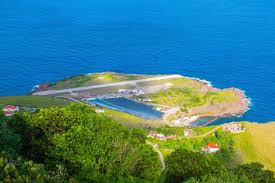 From Short Runways to Island Beacons: Real-World Light Aircraft Operations and Island Travel">

Charter logistics and operational choices at a glance
Each May the family opts to fly with Island Tyme in a Aztec to the Islands for the Custom Shootout, prioritising flexible scheduling and direct routing over commercial carriers. Chartering reduced ground-time transfers and maximised on-location hours, despite a modest premium in cost; for many travellers and crews, that time saved directly translates to more leisure or work on site.
Crew lineup, ratings and safety roles
The group historically included several experienced aviators: Alex Bussey as co-pilot on many runs, Ed Bussey and Frank Reggio—both with military backgrounds—and flight instructor Alicia Como, type-rated in corporate jets and a longtime instrument mentor. Their combined competencies—VFR і IFR ratings, single- and multi-engine qualifications, and seaplane experience—served as an informal safety net whenever weather or mission complexity increased.
Typical mission profile and notable short-field operations
Routine assignments combined service support for yard operations and passenger ferrying. Missions often required short-field take-offs and landings, weight-and-balance calculations for mixed loads of passengers and spare parts, and occasional IFR routing between islands when weather closed VFR corridors.
| Рік | Aircraft | Mission |
|---|---|---|
| 1975 | Cessna 172 | Private pilot check-ride and first passenger flights |
| Late 1970s | Piper Cherokee / Archer | Service runs to Everglades City, Marathon; short-field ops |
| Late 1970s | Navajo | Deliveries to the Bahamas, IFR diversions to Nassau |
| 1977 | A-36 Bonanza (N711A) | Factory collection flight and two-leg ferry to home base |
Operational anecdotes that underscore procedure
One short-field landing at Everglades City ended with the aircraft sliding into grass before the taxiway; decisive use of brakes and conservative taxi planning avoided a water incursion. On another flight from Marathon the aircraft was momentarily near aerodynamic stall due to an aft-heavy centre of gravity with four adults and hardware aboard—prompt corrective pitch-down and an immediate climb over open water averted disaster. These episodes illustrate the critical importance of accurate weight and balance calculations and strict adherence to performance figures on short strips.
Checklist: Practical rules distilled from experience
- Always complete a weight and balance calculation. for every configuration change when passengers or cargo vary.
- Brief passengers on expected procedures and secure loose items to reduce distractions during critical phases.
- When operating to remote strips, plan alternates and verify beacon and runway lighting functionality in advance.
- Respect instrument minimums; call for IFR assistance when weather or beacon outages occur.
Training, mentorship and the transition away from flying
Flight instruction in the mid-1970s combined rigorous flight hours with low rental rates by today’s standards; a typical syllabus included dual instruction, solo cross-country flights, and an FAA practical evaluation. Mentors such as Captain Mike Scherer—an ex-Air Force instructor—emphasised combating “learning plateaus” through disciplined repetition. However, life changes—marriage, business commitments, family—often force pilots to scale back. The same cognitive demands that make flying rewarding also make it costly in time and attention, which leads many to shift focus to other vocations such as professional crewing or boat piloting.
Tie-in to tourism and local economies
Light-aircraft operations support island tourism by providing quick transfers for events, delivering parts and crew for yacht maintenance, and creating flexible itineraries that larger carriers cannot match. For travellers interested in island culture, marina logistics and remote excursions, understanding these transport links enhances planning for activities such as сафарі-тури, вечірки на яхтах, or museum tours with live guides in port towns.
The human side of these operations is important: even the best reviews and the most honest feedback can’t truly compare to personal experience. On GetExperience, you book your experience from verified providers at reasonable prices. This empowers travellers to make informed choices without unnecessary expense or disappointment, and GetExperience simplifies the process with secure payments, voucher confirmation, and tailored tour requests to match preferences. For those exploring the islands mentioned here, the platform offers a wide selection of local tours and excursions to suit varied tastes and budgets. Book now GetExperience.com
Summary: Light aircraft missions to island destinations combine precise logistics, rigorous training, and careful weight-and-balance management. Short-field operations, IFR contingencies, and the value of experienced mentors shaped many successful ferry and service flights. For travellers, these operations enable a range of travel experiences—from adventure rafting trips for beginners to luxury adventure travel experiences and exclusive yacht charters—that enrich coastal tourism offerings. Whether pursuing online virtual tours or booking a cruise package, the balance of safety, planning, and adventure remains central to meaningful travel experiences.