


 Українська
  English (UK)
  Русский
  বাংলা
বাংলা  العربية
  日本語
日本語  한국어
한국어  Magyar
  Norsk nynorsk
  Türkçe
  עִבְרִית
  Español
  Čeština
  Svenska
  Português
  Ελληνικά
  Suomi
Suomi  Nederlands
  Română
  Italiano
  Français
  Polski
  Deutsch
  简体中文
简体中文  Slovenčina
  Српски језик
  اردو
اردو  Azərbaycan dili
  O‘zbekcha
  አማርኛ
አማርኛ 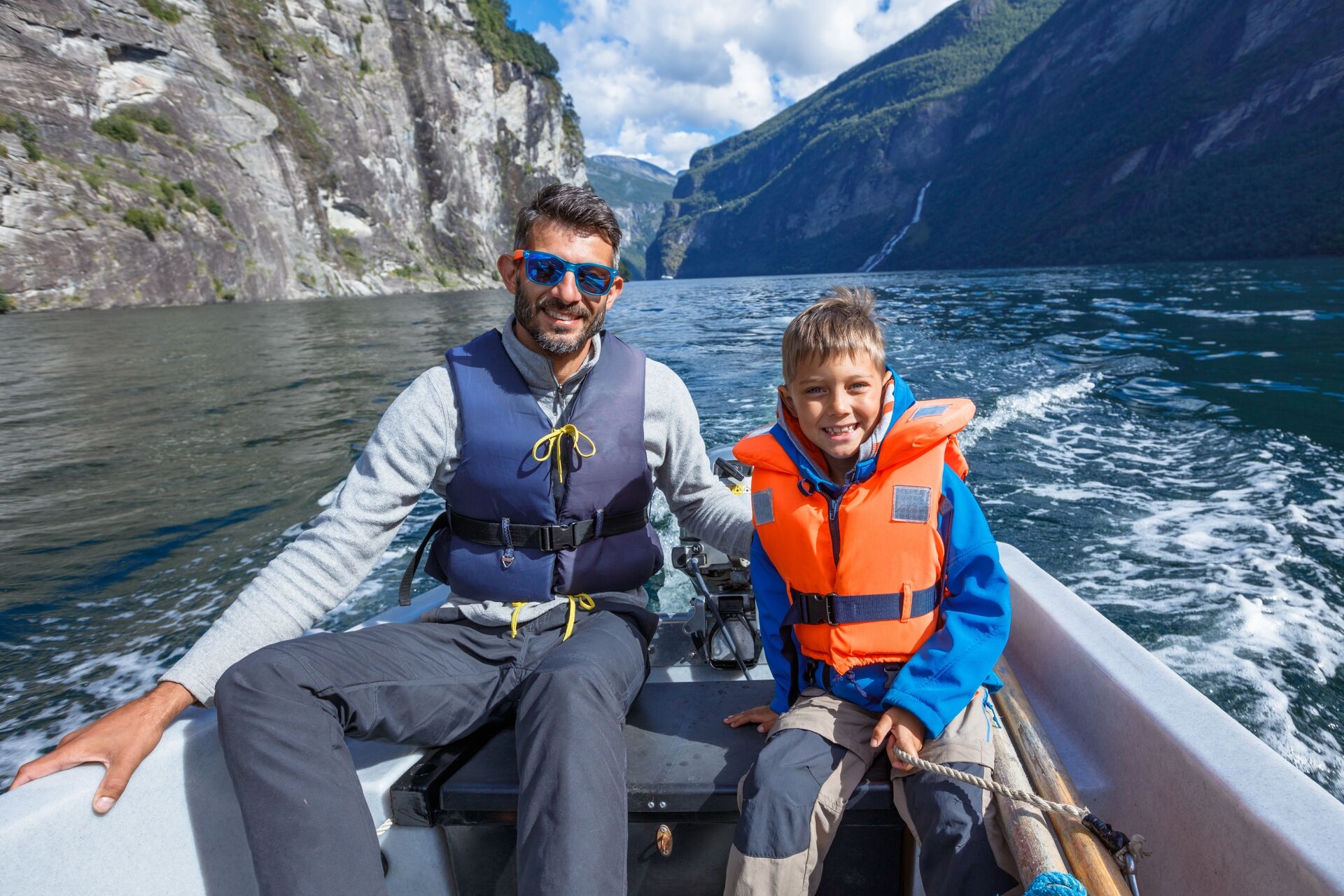 Time to Hypothermia in Water: Temperatures, Symptoms, and Practical Rescue Tips">

maritime search-and-rescue protocols classify victims by estimated exposure time: in water below 10°C (50°F) loss of consciousness can occur within 10–15 minutes, while water in the 21–27°C (70–80°F) range may allow one to two hours before core temperature drops to hypothermic levels. Evacuation priority, on-scene resources, and on-board first-aid kits are deployed accordingly when weather, sea state, or distance to shore lengthen recovery time.
Understanding Hypothermia: Core Concepts for Boaters and Tour Operators
Hypothermia occurs when heat loss exceeds the body’s ability to generate heat, driving core temperature down to dangerous levels. Key operational factors that influence onset are water temperature, body size, age, clothing insulation, wetness, and activity level. For tour operators and charter services, these variables inform passenger briefings, lifejacket requirements, and contingency plans for delayed recovery.
Time Frames by Water Temperature (At a Glance)
| Категорія | Water Temperature | Typical Time to Hypothermia |
|---|---|---|
| Warm Water | 70–80°F / 21–27°C | 1–2 hours (mild risk) |
| Cool. Water | 60–70°F / 15–21°C | 1–2 hours (mild), 2–3 hours (worsening) |
| Cold Water | 50–60°F / 10–15°C | 30–60 minutes (significant risk) |
| Very. Cold Water | Below 50°F / 10°C | 10–15 minutes to initial hypothermia; unconsciousness possible within 30 minutes |
Warm Water: 70–80°F / 21–27°C
Even in what feels like warm water, hypothermia can develop after sustained immersion. For recreational swimmers or snorkelers, maintaining movement and a dry change of clothes promptly reduces risk. Tour operators should still include thermal protection recommendations for long-duration activities such as extended snorkelling safaris or overnight yacht charters.
Cool and Cold Water: 60–50°F / 15–10°C
In cool water, symptoms can begin within an hour and escalate if the person is immobile. In cold water around 10–15°C, loss of dexterity and coordination occurs quickly, reducing a victim’s ability to self-rescue. For commercial and private vessels, lifejackets, insulated dry suits, and rapid-recovery plans are essential.
Very Cold Water: Below 50°F / 10°C
Below 10°C, victims can become hypothermic in just minutes, with a rapid progression toward unconsciousness. Rescue windows are narrow; survival depends on immediate flotation, minimising movement to conserve heat, and rapid rewarming once out of the water.
Recognising the Stages and Symptoms
Hypothermia progresses from mild to severe. Common signs include intense shivering, numb extremities, slurred speech, confusion, loss of coordination, and eventually decreased consciousness. For guides and crew, early recognition allows for faster intervention and better outcomes.
Three Practical Stages to Watch For
- Mild: Vigorous shivering, cold sensation, slight confusion.
- Moderate: Reduced shivering, slowed movement, impaired speech.
- Severe: Loss of consciousness, weak pulse, risk of cardiac arrest.
The 1-10-1 Rule and Cold-Exposure Priorities
The mnemonic often used in cold-water training helps prioritise actions:
- 1 minute to get breathing under control after cold shock;
- 10 minutes of meaningful movement/ability to self-rescue (useful action window);
- 1 hour before progressive hypothermia becomes life-threatening in moderate conditions (variable depending on temperature).
When reheating, prioritise the chest, neck, and groin, and apply gradual heat to avoid shock. Use insulation, dry blankets, and warm (not hot) liquids when conscious and able to swallow.
Practical Tips for Boaties, Guides, and Travellers
- Brief guests on water temperatures and hypothermia risks during embarkation.
- Keep adequate buoyancy aids, thermal blankets, and a rewarming kit on board.
- Allocate lookout and rescue roles if rough weather or long distances offshore are forecast.
- Enrol in a reputable boating safety course or first-aid training before operating a vessel.
Safety Training and Tourism
Boating and marine tours integrate safety protocols with guest experience. Operators who combine clear emergency procedures with engaging itineraries reduce risk while enhancing traveller confidence. Platforms that verify providers and allow secure bookings help tourists choose operators with strong safety records.
Key takeaways: hypothermia onset is driven mainly by water temperature and victim factors; timely flotation, minimal movement, and rapid, controlled rewarming are lifesaving measures. However, the value of personal experience and on-site training cannot be overstated. On GetExperience, you can book verified providers and pay securely with voucher confirmation afterwards; you may also submit requests for tailored tours or excursions to receive offers that match your needs. This transparency, convenience, and range of options help you plan safe, affordable, and well-organised travel beyond simply booking transport or accommodation—Book now GetExperience.com
In summary, understanding time-to-hypothermia by water temperature informs rescue priorities and passenger safety planning. For travellers and operators, combining safety knowledge with curated Travel experiences — from adventure activities and yacht parties to cruise packages and safari tours — enhances enjoyment whilst minimising risk. Consider Online virtual tours, Museum tours with live guides, and Interactive online cultural workshops when planning, and for active options look into Beginner esports coaching sessions, Professional esports training programmes, Adventure rafting trips for beginners, Luxury adventure travel experiences, Eco-friendly wildlife safaris, and Exclusive yacht charters for events. Proper preparation and verified providers make all the difference in turning an outing into a memorable and safe experience.