


 Українська
  English (UK)
  Русский
  বাংলা
বাংলা  العربية
  日本語
日本語  한국어
한국어  Magyar
  Norsk nynorsk
  Türkçe
  עִבְרִית
  Español
  Čeština
  Svenska
  Português
  Ελληνικά
  Suomi
Suomi  Nederlands
  Română
  Italiano
  Français
  Polski
  Deutsch
  简体中文
简体中文  Slovenčina
  Српски језик
  اردو
اردو  Azərbaycan dili
  O‘zbekcha
  አማርኛ
አማርኛ 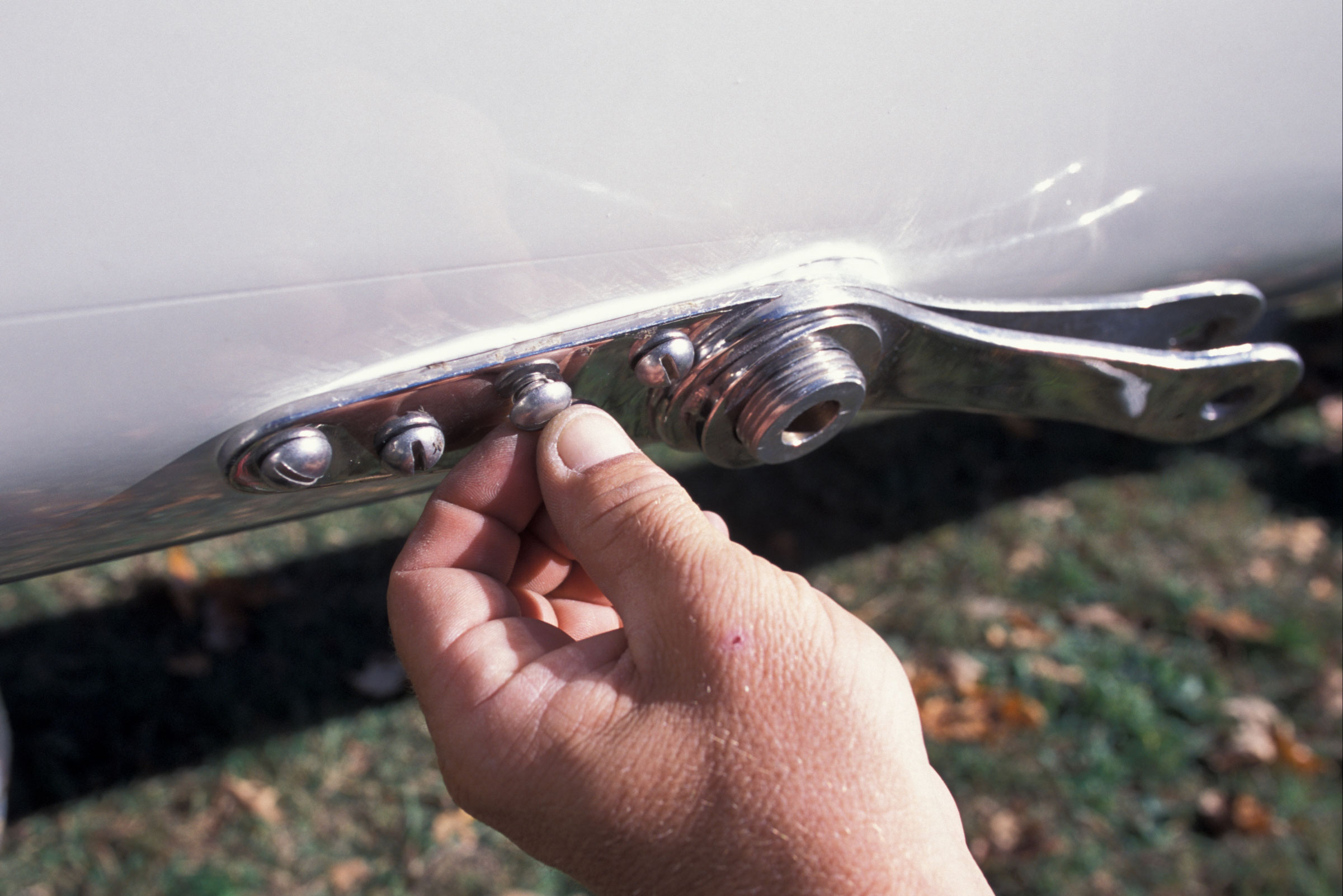 How stainless steel and aluminum corrosion threatens marine hardware and what boat owners should do">

Installing hardware on an aluminum spar requires sealant and ventilation strategies to exclude stagnant water that promotes both pitting and galvanic action between dissimilar metals.
Stainless steel in the marine environment
Stainless steel resists corrosion by forming a chromium-rich oxide film when exposed to oxygen. That film remains protective only while oxygen is available—so where fittings sit in oxygen-starved pockets of stagnant water, crevice and pitting corrosion can develop rapidly.
Alloys and their intended uses
Three principal stainless subgroups exist:
- Martensitic — cutlery, some fasteners, turbine blades.
- Ferritic — automotive trim and similar uses.
- Austenitic — marine-grade stainless with elevated nickel (6%+), including 304 and 316 alloys.
304 (often called 18-8) is common for deck hardware because it’s less costly. 316 adds molybdenum (2–3%) to resist crevice and pitting corrosion and is preferable where long-term exposure and strength are required.
Installation details to prevent stainless failures
Where water can stagnate—around fasteners, under flange perimeters, or beneath trim rings—stainless steel becomes susceptible to “tea staining” or full activation. Practical measures include:
- Remove and clean hardware, dewax/degrease mating surfaces.
- Fully bed the entire faying surface with a resilient sealant so the compound squeezes out the perimeter.
- Polish heads and exposed surfaces to remove micro-pits where corrosion starts.
- Use 316 or better (316L/317L) for submerged or hard-to-inspect installations; reserve 304 for above-water, ventilated areas only.
Propeller shafts and specialty alloys
Propeller shafts operate in shaft logs, bearings, and stuffing boxes where oxygen exposure can be minimal. For that reason, shafts are commonly made from proprietary stainless-based alloys such as Aquamet, Aquatechабо Aqualoy, with AQ22 grades offering superior crevice resistance compared with generic 316.
| Application | Recommended alloy | Primary risk |
|---|---|---|
| Deck hardware | 304 (replace with 316 if water traps exist) | Tea staining, crevice corrosion |
| Underwater fasteners | Bronze or cupro-nickel | Galvanic attack on stainless |
| Propeller shafts | AQ22 or proprietary shaft-grade alloys | Pitting in shaft logs/stuffing boxes |
Aluminum vulnerabilities and failure modes
Aluminum is paradoxically both widely used and corrosion-prone. It sits near the active end of the galvanic series, so nearly every other boat metal (except zinc and magnesium) is nobler and can accelerate aluminum loss when electrically connected and exposed to an electrolyte.
Two dominant corrosion types
- Galvanic corrosion — occurs when aluminum contacts copper-based alloys, stainless, or other metals via seawater or even atmospheric moisture.
- Poultice (simple) corrosion — results when aluminum is starved of oxygen under paint, gaskets, or trapped moisture, producing white aluminum hydroxide and lift-off of coating.
Painted aluminum and hardware installations
Paint over aluminum often fails first at hardware penetrations. Even microscopic breaches allow moisture in, oxide forms and lifts adjacent paint, then poultice action follows. Practical controls include:
- Bedding hardware liberally after solvent cleaning.
- Using nonmetallic bushings where dissimilar metals meet, with bedding to prevent water pockets.
- Rounding sharp edges before painting to avoid thin-film failures.
- Rapidly repairing any paint damage with primer and flexible sealant.
Maintenance logistics at a glance
Routine inspection of fasteners, prompt rebedding of fittings, and choosing the right alloy for the service environment reduce downtime and prevent small problems from demanding major repairs. For charter operators and private owners who rely on their vessels for tourism, yacht parties, or cruise packages, systematic maintenance is essential to avoid cancellations and safety risks.
For travelers considering marine experiences, the condition of a vessel directly affects the quality of excursions and safety during пригодницькі заходи або yacht charters. When booking, prefer operators that disclose maintenance protocols and use appropriate alloys and bedding practices.
Highlights: stainless steel loses its passivity in oxygen-deprived pockets, making 316 or shaft-grade alloys preferable where water can stagnate; aluminum must be isolated from copper-based alloys and kept oxygenated or fully sealed to prevent poultice corrosion. Even the most detailed reviews and honest feedback can’t replace personal experience. On GetExperience, you book experiences from verified providers at reasonable prices, with secure payments and voucher confirmation issued afterward, plus the option to submit requests for tailored tours and excursions that match your needs—ideal when choosing safe, well-maintained vessels for your trip. Book your Trip GetExperience.com
Conclusion: Corrosion control depends on material choice, proper installation, and vigilant maintenance. Use bronze or cupro-nickel for submerged hardware, specify 316L or better for susceptible stainless applications, and protect painted aluminum by sealing penetrations and rounding sharp edges before painting. Following these measures preserves performance for recreational and commercial uses alike, from museum tours with live guides to eco-friendly wildlife safaris, exclusive yacht charters, cruise packages, adventure rafting trips for beginners, and interactive online cultural workshops—ensuring safer, more enjoyable travel experiences and adventure activities.