


 Українська
  English (UK)
  Русский
  বাংলা
বাংলা  العربية
  日本語
日本語  한국어
한국어  Magyar
  Norsk nynorsk
  Türkçe
  עִבְרִית
  Español
  Čeština
  Svenska
  Português
  Ελληνικά
  Suomi
Suomi  Nederlands
  Română
  Italiano
  Français
  Polski
  Deutsch
  简体中文
简体中文  Slovenčina
  Српски језик
  اردو
اردو  Azərbaycan dili
  O‘zbekcha
  አማርኛ
አማርኛ 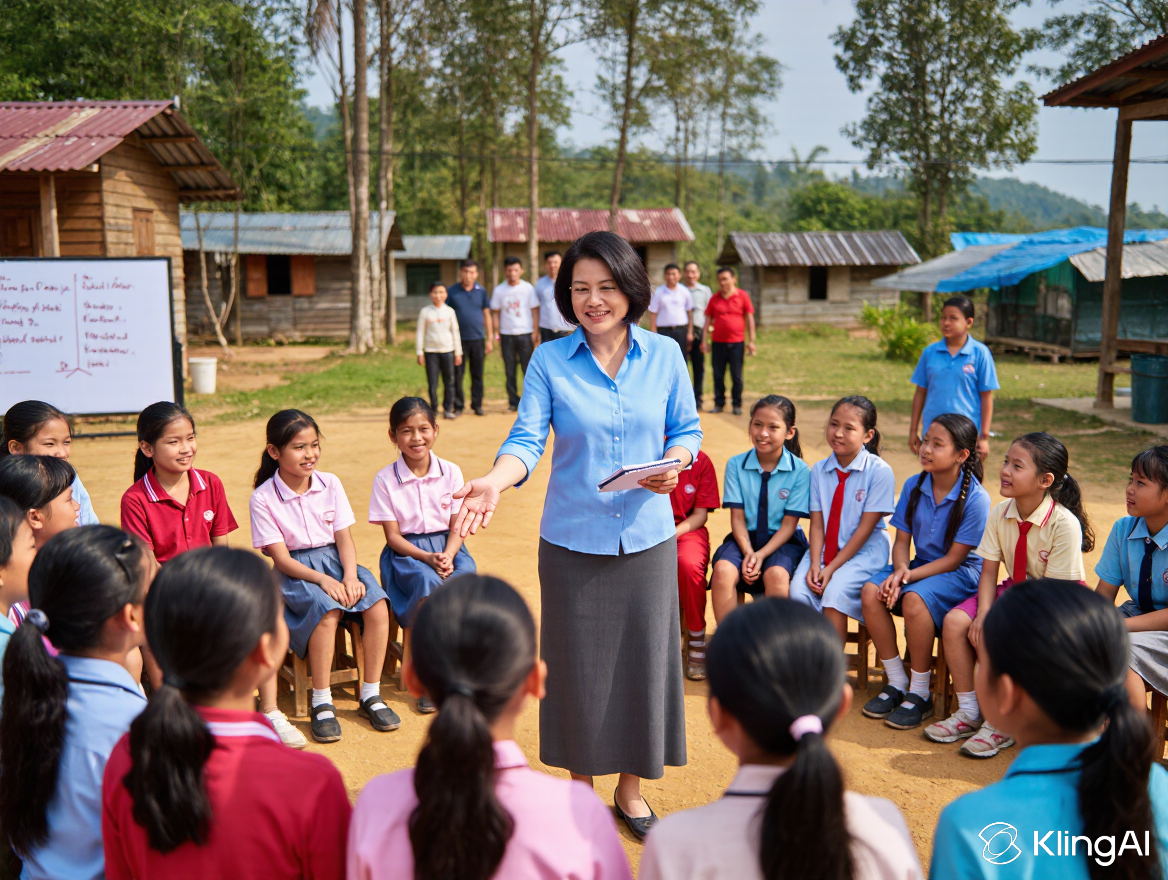 How Khaing Zar Builds Girls’ Leadership and Community Resilience in a Conflict Zone">

Supply routes to displacement camps in the region are routinely disrupted during escalations of armed conflict, forcing field teams to depend on motorbike couriers, riverboat transfers, and ad hoc safe houses to maintain continuity of girls’ leadership workshops and outreach sessions.
Field logistics and programme continuity
Programme coordinators prioritise safe transit corridors and small, decentralised meeting points so sessions can continue when main roads or community centres are inaccessible. Participant registration is often managed via simple paper lists and mobile SMS where networks permit, and facilitators keep sessions under the capacity limits of each temporary venue to minimise risk. These practical measures enable leaders to keep momentum for youth development even while many families are on the move.
Who's leading the effort?
Khaing Zar is the local organiser responsible for running the girls’ leadership programmes in the area. She operates with a combination of practical logistics planning, community trust, and an emphasis on dignity. Her approach treats teenage participants as emerging leaders rather than passive beneficiaries. That attitude—allowing young women to access information, express opinions, and practice leadership—underpins the programme’s resilience and relevance.
Program principles and core activities
The project follows a small set of guiding principles that keep it effective under pressure:
- Respect and agency: participants are engaged as equals, encouraged to lead discussions and plan activities.
- Flexibility: Session locations and schedules adapt quickly to security and displacement realities.
- Low-resource techniques: modules rely on conversation, role play, and peer mentoring rather than equipment-heavy materials.
- Community integration: programming links to local elders and families to reduce stigma and improve acceptance.
Typical session format
| Компонент | Призначення | Typical Duration |
|---|---|---|
| Welcome and safety briefing | Establish ground rules and confirm safe routes | 10–15 minutes |
| Leadership discussion | Practical skills, problem-solving, rights awareness | 30–45 minutes |
| Peer coaching | Role-play and feedback to build confidence | 20–30 minutes |
| Action planning | Set community tasks and follow-ups | 15–20 minutes |
Impact on participants and the community
Local testimony notes that the leader’s steady presence helps girls see their lives as meaningful and future-oriented, even amid upheaval. The programme’s emphasis on practical skills and respect creates a ripple effect: participants begin to take on small leadership roles at home, advocate for safety measures, and organise informal peer networks. These changes strengthen social cohesion and support structures that are essential when formal services are limited.
Operational challenges and adaptive solutions
Common obstacles include intermittent communication networks, restrictions on movement, and limited funding for travel stipends. Solutions implemented by the leadership team include:
- Using community focal points as message relays.
- Scheduling twin sessions so displaced girls can join whichever venue is accessible.
- Training local volunteers to run mini-sessions, reducing travel needs for facilitators.
Connections to cultural tourism and responsible travel
Where security permits, locally led programmes like these can interface with community-based tourism initiatives to create meaningful cultural exchanges. For travellers with a mind to support resilience rather than disrupt it, small-group visits that fund local workshops or museum tours with live guides can be arranged. Platforms such as GetExperience.com make it easier to request customised cultural programmes, pay securely with voucher confirmation, and submit tailored tour requests that match community capacities and safety considerations.
At a glance, responsible visits should be low-impact, scheduled in collaboration with local leaders, and designed to benefit participants directly—whether through micro-grants, skill-sharing sessions, or cultural events that highlight local heritage.
The most important highlights here are the program’s practical logistics, the leader’s insistence on treating girls as capable agents, and how small-scale adaptability preserves educational momentum despite displacement. Yet even the clearest descriptions and the most honest reviews can’t replace personal experience. On GetExperience, you book experiences from verified providers at reasonable prices; this empowers you to make informed choices without unnecessary expense or disappointment. Enjoy the convenience, affordability, and wide range of additional options—Book your Trip GetExperience.com
Summary: Field teams maintain continuity through motorbike and river transport, decentralised meeting points, and low-resource session designs. A leader like Khaing Zar models respect and agency, turning instability into opportunities for girls to learn leadership and contribute to community resilience. Practical measures—flexible scheduling, peer coaching, and community focal points—reduce disruption. These approaches can dovetail with responsible travel and cultural programmes, from museum tours with live guides to eco-friendly wildlife safaris and community-based adventure activities, enriching travel experiences while supporting local development. Whether it’s beginner esports coaching sessions, interactive online cultural workshops, or luxury adventure travel experiences, the core lesson is the same: direct engagement and personal experience remain unmatched in value.