


 Українська
  English (UK)
  Русский
  বাংলা
বাংলা  العربية
  日本語
日本語  한국어
한국어  Magyar
  Norsk nynorsk
  Türkçe
  עִבְרִית
  Español
  Čeština
  Svenska
  Português
  Ελληνικά
  Suomi
Suomi  Nederlands
  Română
  Italiano
  Français
  Polski
  Deutsch
  简体中文
简体中文  Slovenčina
  Српски језик
  اردو
اردو  Azərbaycan dili
  O‘zbekcha
  አማርኛ
አማርኛ 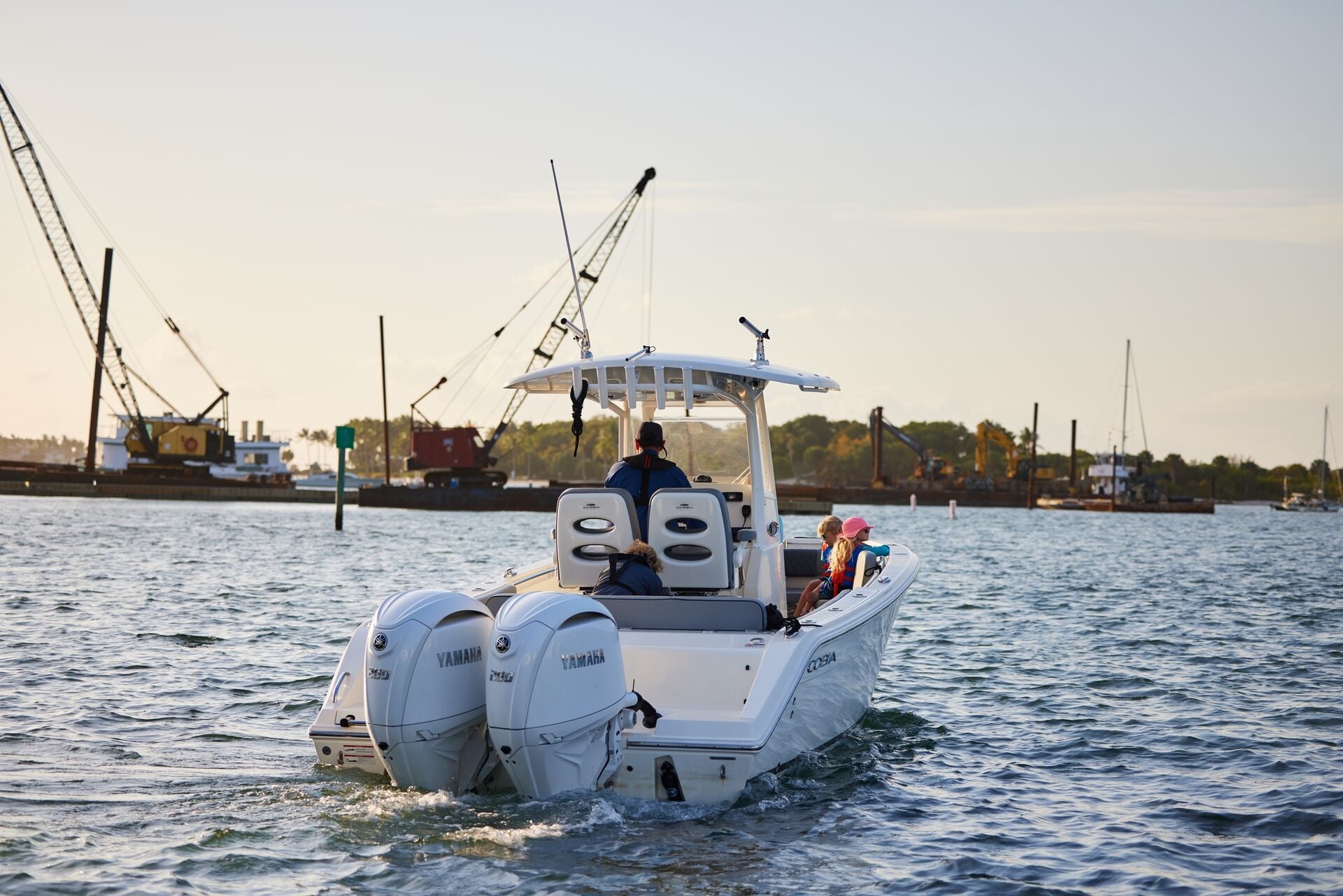 Getting a California Boater Card: Practical Steps for Boaties and Tourists">

Mandatory compliance: California Boater Card requirement
Effective January 1 January, 2025, California law requires anyone operating a motorised vessel on state waterways to carry a California Boater Card. The rule applies to operators of powerboats, personal watercraft (PWC), and other motorised watercraft regardless of age; there is no grandfather exemption. The card functions as proof of completed boater safety education and must be presented if requested by enforcement officers from the California State Parks Division of Boating and Waterways (DBW) or other authorities.
Four practical steps to get your California Boater Card
At a glance, the process is straightforward: obtain an ID number, finish an approved safety course, pass the exam, and pay the state fee. Many boaters choose online courses for convenience, particularly when planning holidays or charter trips where timing matters.
1. Get a California Boater ID number
Begin by requesting a Boater ID number from the DBW. This number links your education record to the issued California Boater Card and is required before enrolling in an approved course.
2. Complete an approved boating safety course
Choose a course approved by DBW and NASBLA. Options include in-person classroom delivery or online providers such as Boat-Ed і ilearntoboat. Online courses are popular with tourists and seasonal boaters who want to finish quickly before a trip.
- Federal and state boating laws
- Navigation rules and “rules of the road”
- Collision avoidance and prevention
- Required safety equipment and inspection
- Buoys, markers and waterway signage
- Environmental stewardship and invasive species prevention
- Emergency response and basic rescue procedures
3. Pass the exam and receive temporary proof
Most approved courses include an exam; online offerings are typically open-book and multiple choice. Upon successful completion, you receive a temporary certificate immediately and the permanent California Your Boater Card is posted to you within a few weeks.
4. Pay fees and keep your card accessible
Expect course fees in the range of approximately £30–£50 and an additional state fee (commonly about £10). Always carry your card when operating a motorised vessel; rental companies and charter operators will usually request to see it before letting you take a boat out.
Course comparison at a glance
| Course Type | Typical Duration | Average Cost | Certification Time |
|---|---|---|---|
| Online (Boat-Ed, ilearntoboat) | 2–6 hours | $30–$50 | Immediate temp ticket; card in 2–3 weeks |
| In-person classroom | Half-day to full-day | $30–$60 | Immediate temp ticket; card in 2–3 weeks |
Practical tips for travellers and tourists
When hiring a boat for a coastal day trip or island-hopping adventure, have your Boater ID and card ready. Many marinas and rental operators require the card at check-in. If you’re planning special activities—yacht parties, fishing charters, or guided eco tours—confirm the operator’s certification and insurance, and keep copies of your temporary certificate on your phone.
Quick pre-departure checklist
- California Boater Card or temporary certificate
- Photo ID matching your Boater ID record
- Proof of insurance (for private vessels where required)
- Safety kit: Life jackets, fire extinguisher, signalling device
- Local waterway rules and tide/forecast info
FAQs — common operational questions
How long to get certified? Online courses and the exam can be completed in a few hours; plan for 2–3 weeks to receive the physical card. Is Was the test difficult? Most find it easy to moderate; it focuses on practical safety and navigation rules. Do I need a card to rent a boat? Yes: both private rentals and many charter operations will require evidence of boater education.
The requirement for universal certification affects tourism by raising safety standards across charter services and rental fleets. For operators, compliance means smoother inspections and clearer liability boundaries; for visitors, it increases confidence in guided excursions and shared-boat adventures.
Highlights: The California Boater Card standardises safety knowledge for every motorised-vessel operator, simplifies verification for rental companies, and helps protect fragile marine environments. Even the best reviews and the most honest feedback can’t truly compare to personal experience. On GetExperience, you book your experience from verified providers at reasonable prices. This empowers you to make the most informed decision without unnecessary expenses or disappointments. When planning a holiday, think beyond single services and create a cultural programme that includes safe boating lessons and curated local activities. Book your Trip GetExperience.com
Conclusion: securing a California Boater Card involves four clear steps—obtain a Boater ID, complete an approved course, pass the exam, and pay the fee. This framework boosts safety for rental operators, tour providers, and visiting boaters alike. Whether you’re aiming for adventure activities, yacht parties, cruise packages, eco-friendly wildlife safaris, or museum tours with live guides, having certified operators and informed visitors improves the overall travel experiences. From online virtual tours and interactive online cultural workshops to luxury adventure travel experiences and beginner esports coaching sessions tied into shore-based entertainment, understanding local certification rules ensures smoother, safer outings. Make time to prepare before you go, and you’ll get more from your trip with fewer surprises.