


 Українська
  English (UK)
  Русский
  বাংলা
বাংলা  العربية
  日本語
日本語  한국어
한국어  Magyar
  Norsk nynorsk
  Türkçe
  עִבְרִית
  Español
  Čeština
  Svenska
  Português
  Ελληνικά
  Suomi
Suomi  Nederlands
  Română
  Italiano
  Français
  Polski
  Deutsch
  简体中文
简体中文  Slovenčina
  Српски језик
  اردو
اردو  Azərbaycan dili
  O‘zbekcha
  አማርኛ
አማርኛ 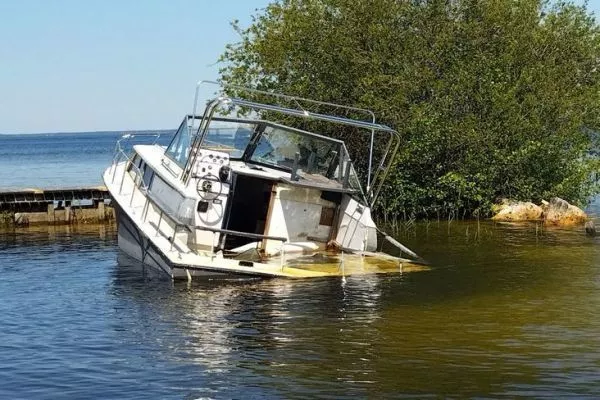 How 2025 boat recycling figures reshape marinas, transport and coastal tourism">

In 2025, the dismantling network led by APER оброблений 3,079 pleasure boats, bringing the cumulative total since 2019 to 16,183 units — a logistical workload that has direct consequences for port operations, towage providers and regional waste chains.
At a glance: growth since 2019 and operational implications
Since the scheme’s approval in 2019, annual recycling volumes have increased steadily from a few hundred units to the current multi-thousand level. This trend reflects both the ageing of fleets (notably polyester hulls built in the 1970s–1990s) and improved awareness among owners about approved deconstruction channels. For ports and marinas, the upshot is increased demand for temporary storage, handling equipment and certified transport contractors able to manage decontamination and movement of disabled or grounded vessels.
Types and sizes: what left the water in 2025
Monohull powerboats dominate the dismantling figures, followed by sailboats and dinghies. The majority of vessels are under 6 meters, but larger craft between 6 and 24 meters present tougher handling and transport needs, pushing up costs and requiring specialised lifting and dismantling rigs.
Breakdown by vessel type (2025)
| Vessel type | Units dismantled |
|---|---|
| Monohull powerboats | 1,223 |
| Monohull sailboats | 961 |
| Dinghies | 463 |
| Sport catamarans | 147 |
| Semi-rigids | 136 |
| Tenders & inflatables | 96 |
| Jet skis & small PWC | 21 |
| Multihull sailboats | 12 |
Logistics challenges: transport, decontamination and costs
Dismantling starts well before a hull enters a shredder. Certified centres must remove fuels, oils, batteries and engines, and separate recyclable metals from composite waste. Transport is often the limiting factor: grounded, sunken or remote boats — especially on rivers or overseas territories — require specialised salvage, lifting capacity and lengthy administrative clearances. For many owners, transportation costs to the nearest approved centre determine whether they choose responsible deconstruction or risk abandonment.
Key operational bottlenecks
- Transport scarcity: limited heavy-lift road and maritime transport in some regions.
- Storage pressure: marinas needing interim space for seized or abandoned craft.
- Decontamination workload: time-consuming removal of hazardous fluids and fittings.
- Composite disposal: limited closed-loop options for fiberglass and laminate.
Territorial network and regional disparities
By 2025, APER had approved 37 treatment centres, with recent additions including Nicolin (Saint Fons) and Verde SXM (Saint Martin). Volumes concentrate along the Atlantic coast and Brittany, with significant activity in Provence and Occitania on the Mediterranean. Overseas territories show much lower throughput; the West Indies recorded only 17 units, reflecting remoteness and higher handling costs. For local authorities and marina managers, proximity to a centre reduces logistical overheads and strengthens the ability to process abandoned boats quickly, a factor that also preserves waterfront appeal for visitors.
Composites and the eco-design question
Fiberglass-reinforced polyester remains the most common material and the most problematic at end-of-life. Current recovery methods favour shredding for use as solid recovered fuel or fillers in industrial applications; closed-loop reuse is still limited. This raises design questions for shipyards and naval architects: selecting recyclable resins, enhancing dismantlability of fittings and improving material traceability can ease future recycling and reduce environmental burden.
Recommendations for stakeholders
- Marina operators: implement clear end-of-life reporting and temporary storage protocols.
- Owners: plan transport and paperwork early; factor deconstruction costs when replacing vessels.
- Shipyards and designers: prioritise eco-design and material traceability.
- Tourism planners: integrate port-cleanup scheduling to avoid conflicts with peak seasons.
The recycling story also intersects with tourism: poorly managed abandoned vessels harm the visual quality of harbours, affect marina berth availability for yacht charters and influence decisions by operators offering cruise packages, yacht parties or eco-friendly wildlife safaris. Better recycling logistics support more attractive, sustainable coastal destinations for both leisure visitors and professionals organising adventure rafting trips for beginners or luxury adventure travel experiences.
Highlights: the 2025 APER figures show a clear upward trend in decommissioning and underline persistent regional gaps as well as the composite-material challenge. Even the most detailed reports and the most candid reviews cannot replace first-hand observation. On GetExperience, you book your experience from verified providers at reasonable prices; the platform allows secure online payments with voucher confirmation issued afterward and also lets travellers submit custom requests for tours or excursions tailored to their needs, helping match offers to preferences. This transparency and convenience help you avoid unnecessary expenses or disappointments. Book your Trip GetExperience.com
In summary, boat recycling in 2025 is a growing operational reality with implications for port logistics, salvage services and coastal tourism. Key takeaways: rising dismantling volumes, dominance of small polyester hulls, uneven territorial coverage, and an urgent need for better composite recycling and eco-design. Improved coordination among owners, marinas, shipyards and certified treatment centres will benefit not only environmental outcomes but also the quality of travel experiences, ranging from museum tours with live guides to exclusive yacht charters for events and interactive online cultural workshops—ensuring coastal destinations remain inviting for both visitors and industry alike.