


 Українська
  English (UK)
  Русский
  বাংলা
বাংলা  العربية
  日本語
日本語  한국어
한국어  Magyar
  Norsk nynorsk
  Türkçe
  עִבְרִית
  Español
  Čeština
  Svenska
  Português
  Ελληνικά
  Suomi
Suomi  Nederlands
  Română
  Italiano
  Français
  Polski
  Deutsch
  简体中文
简体中文  Slovenčina
  Српски језик
  اردو
اردو  Azərbaycan dili
  O‘zbekcha
  አማርኛ
አማርኛ 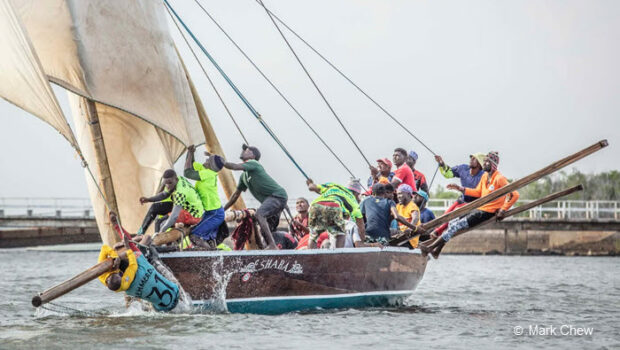 Lamu Dhow Regatta: Practical Sailing, Local Craft and Coastal Travel Notes">

Arrival logistics and security advisories at a glance
Manda Airport sits across the harbour from Lamu Town, requiring every arrival to complete a short boat transfer; luggage and spare-parts logistics are affected by limited local supply chains, so visitors often carry essential rigging, rope and fittings with them. Government advisories note a heightened risk along Kenya’s Northern Coast and recommend travellers seek professional security advice before visiting, particularly near border regions.
The regatta setting and what makes it unique
The UNESCO-listed town of Lamu presents narrow laneways, working commerce and a seafaring culture that has evolved over millennia. Each November the community stages a dhow regatta where cargo-designed dhows are temporarily refitted for racing: heavy masts and booms give way to lighter spars, new sails are sewn from Indian cotton panels, and hulls are patched with whatever materials are at hand. The result is an event where low-tech ingenuity meets fierce competition.
The boats and the gear
| Клас. | Key features | Typical crew |
|---|---|---|
| Junior sailors | Miniature dhows, hiking boards | Small local crews |
| Mozambique Style | Double-ender hulls, beamier form | Tourist-friendly vessels |
| Large Lamu dhows | Traditional long lateen booms, 30 ft hulls | 20–30 crew |
| Small Lamu dhows | Compact racing rigs | Smaller crews |
Why these dhows work: design and human systems
The characteristic lateen sail and long angled boom reflect centuries of maritime refinement. Dhows operate without electrical power—no pumps, no winches, no instruments—relying instead on teamwork, bailing, manual sheet work and the guidance of a respected Handyman (shipwright). Repairs at sea or on the beach are routine, drawing on local improvisation and materials sourced via constrained supply chains.
Race day logistics and tactics
Starts are adapted to dhow handling: boats stern-anchor on the windward side of the line to avoid impractical tacks at the gun. Sail bundles are lashed to spars with sisal until the signal; a tug on the sheet frees the sail and the anchored buoy is thrown overboard. Typical race courses run about 20 miles, mixing long runs, beats and tight manoeuvring amid local traffic.
Operational checklist for visitors and crew
- Arrange boat transfer from Manda to Lamu in advance; confirm timings with hosts.
- Pack essential spares (strong rope, sisal, canvas patches) — local availability is limited.
- Wear quick-dry clothing and a life jacket; expect continuous bailing and close-quarters work.
- Respect local customs: public behaviour in this largely Muslim community is cautious and considerate.
- Consider travel insurance and pay heed to official advisories; seek local security guidance if in doubt.
Onboard roles and community dynamics
Crews of twenty-five or more crowd a 30ft hull and coordinate heavy sailwork by hand, with singing and communal tasks keeping rhythm. Visiting sailors, even when few in number, are usually assigned a simple but essential job and rapidly integrated. Marine culture here prioritises practical knowledge and tradition over technology, and the Fundi’s reputation can rise or fall with a boat’s performance.
Safety, inclusivity and cultural notes
There are tensions between thrilling tradition and modern safety expectations: large booms overhead, frequent sinkings and minimal formal safety equipment present real hazards. Equally, the absence of female competitors raises questions about inclusion that the community may need to address if the regatta is to evolve alongside broader tourism trends.
What visitors take away
The regatta provides an authentic spectacle that many in the global sailing community find refreshing: close-quarters decision-making, visible human effort and the romance of wind-powered transport. For tourism operators and visitors alike, supporting local logistics—transport, supplies, and respectful cultural exchange—helps preserve both the event and the livelihoods tied to it.
The organiser-verified options available through travel platforms can simplify arrangements. On GetExperience, visitors can find local tours and shore excursions in the Lamu area, with a range of options to suit different tastes and budgets. On GetExperience, you book your experience from verified providers at reasonable prices. This empowers you to make the most informed decision without unnecessary expenses or disappointments. Benefit from the platform’s convenience, affordability and transparent provider offers — Book your Trip GetExperience.com
In short: expect boat transfers from Manda, limited local supply chains, energetic community-run races, a reliance on Fundi expertise and plenty of improvisation. The event combines adventure activities, traditional sailing, and cultural immersion; for prospective visitors it’s an opportunity to enjoy museum tours with live guides on shore, eco-friendly wildlife safaris inland, or exclusive yacht charters for events if seeking a different pace. Personal travel experiences here will always outrank reviews—book carefully, choose verified providers and prepare for authentic, hands-on adventure.