


 Українська
  English (UK)
  Русский
  বাংলা
বাংলা  العربية
  日本語
日本語  한국어
한국어  Magyar
  Norsk nynorsk
  Türkçe
  עִבְרִית
  Español
  Čeština
  Svenska
  Português
  Ελληνικά
  Suomi
Suomi  Nederlands
  Română
  Italiano
  Français
  Polski
  Deutsch
  简体中文
简体中文  Slovenčina
  Српски језик
  اردو
اردو  Azərbaycan dili
  O‘zbekcha
  አማርኛ
አማርኛ 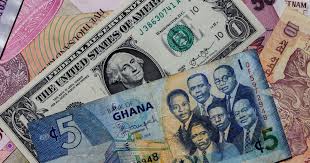 Understanding the Challenges of Currency Exchange in Africa for Travelers">

The Challenge of Currency Exchange in Africa
Travelling across Africa offers an exhilarating adventure, yet many travellers encounter frustrating currency exchange hurdles that can turn this joy into a stressful experience. With the continent’s diverse currency systems, understanding the nuances can be particularly daunting.
Currency Conversion Made Complicated
Imagine a tourist from Lagos travelling to Nairobi. Before heading off, they need to convert their Naira to U.S. dollars, only to face another conversion into Kenyan Shillings upon arrival. This cycle of currency exchange can add an unexpected layer of financial strain and hassle.
The Wider Implications of Currency Dependence
Moreover, these exchange challenges reflect a broader reliance on foreign currencies like the U.S. dollar and the Euro, which inadvertently strengthens external economies at the expense of African currencies. A solution proposed by experts suggests that a single African currency could simplify these transactions, fostering greater ease in travel and encouraging local exploration.
Impact on Trade and Local Economies
This fragmented currency scenario doesn’t only affect tourists; it poses significant challenges for trade as well. For example, Nigerian exporters navigating various exchange rates and cumbersome conversion processes end up incurring higher costs and operational challenges. Moreover, many transactions rely on foreign currency facilitated by external banks, complicating Africa’s capacity for robust self-sustained financial operations.
The Struggles of Small and Medium Enterprises
Small and medium enterprises (SMEs), the backbone of many African economies, are particularly vulnerable in such an environment. A unified currency would empower these businesses to engage in direct transactions, minimising reliance on complicated intermediaries and reducing overhead costs.
Addressing Exchange Rate Volatility
Furthermore, the volatility of exchange rates complicates trade agreements and deters potential investors. A single currency could stabilise pricing, increase transparency, and enhance investor confidence, thus elevating Africa’s status in the global economic arena.
Advocacy for Economic Integration
In light of these challenges, figures like Nigeria’s Minister for Industry, Trade and Investment, Dr Jumoke Oduwole, are advocating for Africa’s economic integration through initiatives like the African Continental Free Trade Area (AfCFTA). The goal is to dismantle trade barriers and position Nigeria as a leader in intra-African commerce.
Remaining Challenges and Future Directions
However, despite the strides of AfCFTA, the absence of a single African currency continues to pose challenges. Businesses find themselves navigating fluctuating exchange rates that inflate transaction costs, turning intra-African trade into a burdensome task.
Financial Sovereignty and the Call for Unity
There's a growing consensus amongst leaders that without a unified currency, African businesses will continue to grapple with payment delays, losses from rate fluctuations, and unpredictable pricing models. Initiatives like the Pan-African Payment & Settlement System (PAPSS) highlight the need for a currency that facilitates seamless trading amongst African businesses without relying on external financial systems.
Historical Obstacles and Economic Control
While the potential benefits of a unified currency are vast, historical factors have continued to shape Africa’s economic landscape. Power dynamics influenced by outside interests have often led to divisions that undermine financial unity. Some leaders, entrenched in maintaining separate financial structures, resist initiatives that would promote greater economic independence and unity.
Public Demand for Financial Transparency
The Africa Woke Citizens Platform (AWCP) represents an emerging call for public dialogue and transparency regarding Africa's financial independence. Citizens across the continent are increasingly vocalising their desire for a future free of external control over financial matters.
Leadership and the Path Forward
The onus now lies on Africa’s largest economies—such as Nigeria, South Africa, and Egypt—to champion financial unity. Their leadership will need to extend beyond rhetoric; it must translate into concrete policy reforms that bolster intra-African trade agreements and promote cross-border investments.
Важливість особистого досвіду
Exploring these economic intersections sheds light on a vital component of African tourism. While reviews and feedback about currency challenges are helpful, nothing can truly replace the insights gained from personal experience. On platforms like GetExperience.com, travellers can connect with verified providers to book services at reasonable prices, empowering them to make informed decisions without the fear of hidden costs and disappointments. The platform ensures a seamless experience, adding great value to the overall travel adventure.
Your Adventure Awaits
When planning a trip across Africa, diverging just a bit from traditional sightseeing can be enlightening. GetExperience offers a wide variety of tours globally, catering to any preference and budget. Discover the flexibility, affordability, and extensive choices available, and step into an enriching travel experience designed just for you. Book your trip on GetExperience.com.
Висновок
The intricacies surrounding currency exchange can decidedly shape travel experiences across Africa. A unified currency could ultimately provide the much-needed empowerment for businesses and ease for travellers alike. The emphasis on personal experience, alongside the practical benefits offered by platforms like GetExperience, highlights the potential of African tourism in all its diverse glory. With adventure experiences ranging from cultural workshops to luxury travel options, the continent is poised to welcome a wave of travellers eager to explore its treasures.