


 Українська
  English (UK)
  Русский
  বাংলা
বাংলা  العربية
  日本語
日本語  한국어
한국어  Magyar
  Norsk nynorsk
  Türkçe
  עִבְרִית
  Español
  Čeština
  Svenska
  Português
  Ελληνικά
  Suomi
Suomi  Nederlands
  Română
  Italiano
  Français
  Polski
  Deutsch
  简体中文
简体中文  Slovenčina
  Српски језик
  اردو
اردو  Azərbaycan dili
  O‘zbekcha
  አማርኛ
አማርኛ  Національний парк Інтаннон – Посібник з одноденного трекінгу та огляду визначних місць">

Take this one-day plan to explore Inthanon National Park with a direct route that showcases mossy forests, waterfalls, and expansive scenery.
In Chiang Mai province, the park sits about 60 kilometres from the city centre. The main loop covers roughly 7-9 kilometres of easy-to-moderate trails, suitable for most fit travellers. These trails weave along mossy slopes, descend into bamboo groves, and climb to open viewpoints where the scenery unfolds across the valley.
Start at 8:00 AM at the park entrance; these first kilometres are shaded by tall rainforest and mossy carpets. After a direct ascent to the ridge, pause at a bamboo grove for photos. For lunch, there are several rustic restaurants outside the park near the visitor centre; you can choose from Thai curries to fruit bowls, fuelling up before the higher sections.
After lunch, continue to higher ridges for a mountainous stretch with panoramic views. There's a number of viewpoints along the way where you can pause to frame photos and enjoy the cool breeze. These trails outside the main area keep you away from crowds and let you focus on nature.
Few practical tips: wear sturdy hiking boots, bring 1.5-2 litres of water, pack a lightweight waterproof jacket and sun cream. Start early to catch the mossy forest at its freshest. There are several rest stops and a few stalls offering cold drinks near the highest turnouts.
This compact plan helps you maximise your day in Chiang Mai province, delivering a mix of natural beauty and accessible trekking for tourists and locals alike. If you have extra time, you could extend to a nearby waterfall or a short loop around the summit area to capture more scalable viewpoints and, of course, mossy textures that make these landscapes stand out.
Practical One-Day Plan for Trekking and Karen Village Visit
Picked up a local guide at the park gate to start your day, ensuring smooth logistics and direct support for the Chaem community.
In Chaem, locals welcome visitors and share crafts, stories, and meals.
Begin at first light from the main trailhead and hike toward the highest lookout where a pagoda crowns the ridge. Plan the climb for about three hours with two short rests.
During the ascent, observe flora along the path and notice at least three types of vegetation because the environment changes with elevation.
Take a mid-morning pause in a shaded valley clearing, then continue along forest edges that open to sweeping views across terraced fields and sprawling hills.
After the trek, visit a Karen village nearby. A local person explains weaving and daily life; you can see clothes on display and chat with residents, and learn from them. Contact the guide before arrival to arrange a workshop visit and a short demonstration. There you've a chance to learn weaving and see textiles up close, with paid prices that support artisans directly there.
Practical tips: you receive tips from the guide at the start, wear light clothes, bring a rain shell, 1.5–2 litres of water, sunscreen, a compact snack, and a small towel. If you need extra gear, hire a porter; this support keeps you moving steadily and improves pacing for the day.
Safety and etiquette: stay on marked paths, respect village hosts, and avoid littering. There are tours offering riding for a short stretch; opt for the on-foot option to maximise immersion and minimise impact. Tour operators frequently adjust routes for safety.
| Час | Діяльність | Нотатки |
|---|---|---|
| 06:00 | Meet guide at gate; gate entry paid | Transfer to Trailhead |
| 07:00 | Trek to 'ighest lookout | 3 hours; pass the pagoda at summit |
| 10:00 | Pagoda stop and photo session | Cool breeze; brief rest |
| 11:30 | Flora, stop and valley views | Observe types of vegetation |
| 12:30 | Lunch break | Snacks and water, shady spot |
| 14:00 | Karen village visit | Meet a local person; clothes displays |
| 15:30 | Return to gate | There you've a chance to reflect on the day. |
One-Day Trek Route Options: distance, difficulty, and viewpoints
For most visitors, choose the 6.8 km Moderate Trail; it balances steady effort with three open viewpoints and plenty of opportunities for sightseeing.
Short option – 4.2 km, Easy, 1.5–2 hours. Start at the park gate and follow a shaded forest path past small gardens and a stream, with two short viewpoints over the valley. Take a short rest at the first overlook, then continue to the second for a quick scenery reward. You can grab a snack at the market opens nearby after the trek; carry a bottle of water and a light jacket. In November the mornings boost bird-watching, and if you were visiting with kids, this route keeps pace without overwhelming them. The path is accessible and feels free of crowds, perfect for a relaxed, style-conscious outing without rushing.
Moderate option – 6.8 km, Moderate, 2.5–3 hours. This loop climbs steadily through evergreen forest with boardwalk sections that stay comfortable underfoot and accessible for most hikers. There are three viewpoints offering clear vistas of the valley and distant hills; the types include rocky segments and shaded forest. It’s a good reason to pick sightseeing without rushing. You’ll pass an orchid garden; the market opens later, so you can hire a local guide for deeper insights. You may have seen birds during bird-watching stops; November mornings are ideal for wildlife. Wear a jacket if cool, grab a light snack, and enjoy avocado slices along the way. Expect Baht prices for guides and transport to be reasonable. This option suits visitors from Thailand and beyond who want a balanced mix of forest scenery and gardens with accessible tracks.
Long option – 9.5 km, Difficult, 4–5 hours. Starts at the gate and climbs towards higher forest with switchbacks and steeper sections. Ridge viewpoints provide dramatic panoramas of the canopy and distant villages. If you’re riding to the trailhead by shuttle, this route remains doable for a fit hiker; you can ride back to base after the trek. A refreshment corner opens near the end where you grab drinks in baht. Expect a cooler breeze on the summit; you’ll feel a magical sense of achievement and have found wildlife and birds in bird-watching posts. For groups, bring extra water and plan a short rest at a scenic overlook to keep momentum without overexertion.
Access and Start Points: gates, transport tips, and best start time
Begin at the main gate at first light, around 6:00 am, and pick a short, through route that covers Wachirathan Waterfall and Mae Klang Waterfall, then loop via the Ang Ka Nature Trail for a warm sunrise image. This plan reduces heat and crowds, takes you through the park’s best spots, and lets you admire the beauty of Inthanon’s forests. Each leg offers easy sections with a couple of short climbs, and the views above the canopy are huge.
Gates and start points: Two official gates along the main park road greet visitors; both lead to a central ranger post and the visitor centre, where you can pick up maps, hire guides, and access links to self-guided routes. Arrive early to secure parking, and check the boards before you choose a particular loop. Each gate has signage and a warm welcome from staff, and you’ll find lots of information here.
Transport tips: From Chiang Mai, hire a private driver or join a small group tour; frequently, travellers book from city hotels to simplify timing. You can get a ride near your hotel or at major shops in the city centre. If you drive, the journey takes roughly 1.5–2 hours via Highway 108; parking is available at the gate complex. Public transport is limited, so bring cash for park fees and snacks; along the road you may pass organic tea stands and plantation stalls for a quick stop.
Best start time: In cool months begin around 6:00 am for pleasant temps and light; during hot season start closer to 5:30 am to beat the heat and reach lookout spots before crowds. If you’re visiting in the shoulder seasons, aim for a 6:15–6:45 am window and plan the return before mid-morning showers. This approach is worth the early rise, and it often yields clearer views of waterfalls and the valley.
Practical notes: The route above suits both first-time visitors and repeat travellers; there are lots of photo spots and water views, and the paths are easy to follow with clear signage. Bring a light rain jacket, water, and high-energy snacks; hire a guide for a short, more focused tour if you wish to learn about birds and plants. Frequently, stalls around the gates offer products and organic snacks, and you’ll find links at the visitor centre for updates on gate hours and weather. Outside gateways, the views are awesome and the scenery found along the routes is huge; a quick post with your image is a nice way to share the day.
What to Pack for a Day Hike: footwear, clothing, water, snacks, and sun protection
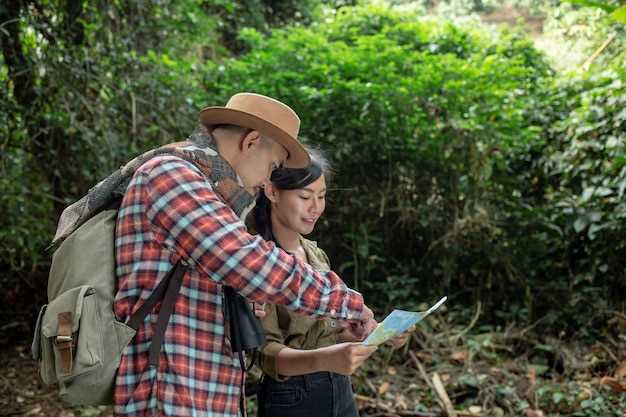
Взуття Choose mid-cut waterproof hiking boots or trail runners with a solid tread and reliable ankle support. Break them in before your visit to prevent blisters on the long trails. Pack a spare lightweight sock and optional gaiters for muddy sections near a jungle edge or a waterfall. Comfortable footwear keeps your views steady and your exploration enjoyable, especially when you’re exploring rocky switchbacks or stepping over roots along scenic spots.
Clothing and layers Start with a moisture-wicking base layer, add a breathable, quick-dry outer layer, and carry a compact warm layer for shade or wind at higher elevations. A sun hat, sunglasses, and a UPF shirt protect you from intense sun on exposed places. Dress in layers that you can adjust as the temperature shifts during driving to the trailhead and as you ascend toward scenic viewpoints.
Water and hydration Carry at least 1.5–2 litres per person for a half-day in temperate weather, more in hot or humid conditions. Use a hydration bladder or bottles that fit your pack’s pockets. If you encounter streams or rain-soaked sections, bring water purification tablets or a compact filter to refill safely. Keep a steady intake to sustain energy for exploring the park’s nature and to enjoy every view without fatigue. If there is a paid parking area, arrive early to secure a closer start and save time in the heat.
Snacks and energy Pack foods that deliver quick energy and steady stamina: nuts, seeds, trail mix, granola bars and dried fruit; add a piece of fruit like a banana or an apple for natural sugars and hydration. Include a small amount of salt or electrolyte powder to replenish minerals after a strenuous section. A compact table-style checklist in your pack helps you verify you have enough fuel for the next spot and keeps your hike smooth rather than rushed.
Sun protection and safety Apply sun cream SPF 30+ before you start and reapply every two hours, or after sweating. Carry lip balm with SPF and a light head covering to shield ears and neck. Sunglasses with UV protection are essential for bright scenery along exposed ridges. For safety, bring a map or offline navigation and a small first-aid kit; stay on marked trails to support conservation efforts and to protect delicate flora and plants used by local communities. Even short visits to a lookout or a water-rich spot should be approached with caution on slippery rocks and eddies near the water.
Local history note Local research mentions how the região and its communities–including the motho people–shaped the landscape, and how opium history is tied to the region’s past. Today, conservation protects nature and the plants used by local cultures, ensuring future visitors can enjoy the views, trails, and the place’s unique scenery.
Permits, Fees and Park Hours for a Same-Day Visit
Arrive at the gate before 08:00 to secure permits for a same-day visit. Planning your day? Check the latest park hours posted at the gate and have your ID ready to speed up processing.
Permits cost Thai residents 60 THB and foreign visitors 400 THB. The permit grants access to the main trails, boardwalk sections, restrooms, and key viewpoints. Pay at the gate on arrival; keep the receipt as your permit. At the gate area you may notice carved stone markers and a small stupa, reflections of park heritage and welcome sights for your first steps into the green surroundings. Experienced rangers check IDs and explain the latest options, and there are small products stands with maps and water near the entrance.
Park hours run daily from 06:00 to 18:00, with last entry at 17:00. If February mornings are chilly, bring a jacket. Some facilities or side trails may close early for maintenance; always check posted signs at the entrance before exploring the routes.
The park provides toilets near the gate and at the visitor centre, plus a wooden boardwalk that winds through marshy areas. Expect a mix of outside trails, shaded forest, and green canopies, with trees, plants, and bamboo lining the paths. Please stay on marked paths to protect the sensitive vegetation and to help you spot carved markers that point toward viewpoints with sweeping scenery.
What to carry: a lightweight jacket for February, sun protection, water, snacks, and the contents of your daypack clearly organised. Plan to spend most of the day on the whole loop, starting at the gate, then moving to viewpoints, and finishing at the stupa area for sunset colours. Please follow park rules, and if there's any issue, ask experienced staff or rangers for directions.
Karen Village Experience: etiquette, activities, and dining or lodging options

Arriving early with a booked local guide makes the Karen Village Experience respectful and smoother. Start with a short walk along a mossy path and quiet roads, then admire rising mountain scenery and the rivers winding through the valleys.
- EtiquetteGreet locals with a warm smile, ask before entering any courtyard, and keep voices low near ceremonies. Avoid touching textiles or looms without consent, and show appreciation with a simple thank you in the local language.
- Visiting norms: respect private spaces and signage, stay on marked trails, and avoid leaving rubbish along the way. If you hear wildlife such as gibbons, pause quietly and admire from a respectful distance without chasing or forcing encounters.
- Practical conduct: dress modestly and comfortably for long or steep sections, carry water, and bring a small torch for shaded sections. Restrooms may be limited in remote parts, so plan accordingly and use them when available.
- Bookings and payments: Hosts promised thoughtful hospitality, and your guide will outline what is included. Rate clarity matters, and some services are paid directly; however, confirm what is covered and what requires additional payment. If a guesthouse or activity is booked, respect the schedule and arrive on time to keep everything running smoothly.
- Interaction tips: Participate in local activities with curiosity, but respect when a host declines an invitation to photograph or to join a craft session. If language barriers arise, rely on your guide to bridge the conversation.
Activities in the Karen Village offer an intimate look at daily life and the surrounding landscapes. A typical day blends culture, nature, and gentle adventure along the mountain slopes and river valleys.
- Craft and culture: watch weaving, pottery, and traditional cookery demonstrations in shaded courtyards or mossy workshops near the path. Join a short hands-on session if offered and purchase a small keepsake directly from artisans.
- Nature walks: choose routes from a short, circular stroll to longer treks of several kilometres. Expect steep sections and a few steep climbs, but the length and elevation are manageable with a steady pace. The scenery, from mountain ridges to rolling landscapes, rewards every ascent and invites you to admire every bend in the road.
- Wildlife and waterways: listen for gibbons’ calls in the forest and watch for birds along the rivers. If you spot trout in clear streams, observe from a respectful distance and never disturb their habitat.
- Dining experiences: sample simple Karen dishes, fresh vegetables, and river fish at village eateries. Many spots operate as small restaurants with open-air seating where you can enjoy a meal after a rewarding day of visiting and walking.
- Tips for planning: Driving to the village may involve steep, winding roads. The drive covers kilometres of scenic elevation, so pace your trip and allow time to rest and enjoy the views. Bring a hat, sunscreen, and cash for small purchases along the way.
Dining and lodging options help you unwind after the day's activities. Choose between homestays and small guesthouses that emphasise local hospitality and straightforward amenities.
- Where to stay: homestays and simple guesthouses with shared or private rooms offer a courtyard view, mossy gardens, and a comfortable place to sleep before another day of exploration. Some places provide restrooms with running water and basic showers, while others offer shared facilities; enquire ahead to confirm.
- Where to eatThe restaurants near the high street serve fresh trout, stews, and seasonal greens. If you prefer a private dining experience, your host can arrange a communal meal in the courtyard or a shaded area overlooking the village.
- Booking and rates: most accommodations list per-night rates by room or per person. Some hosts request a small paid contribution for communal meals or activities. If you have a longer stay, ask about a discounted rate or a bundled package for visiting multiple households.
- Практичні поради: confirm restroom access, check for hot water, and verify that your luggage can be stored securely if you plan a day trip. Plan to arrive, explore, and depart without rushing, so you can fully appreciate the pristine scenery and the warm welcome of your hosts.