


 Українська
  English (UK)
  Русский
  বাংলা
বাংলা  العربية
  日本語
日本語  한국어
한국어  Magyar
  Norsk nynorsk
  Türkçe
  עִבְרִית
  Español
  Čeština
  Svenska
  Português
  Ελληνικά
  Suomi
Suomi  Nederlands
  Română
  Italiano
  Français
  Polski
  Deutsch
  简体中文
简体中文  Slovenčina
  Српски језик
  اردو
اردو  Azərbaycan dili
  O‘zbekcha
  አማርኛ
አማርኛ 
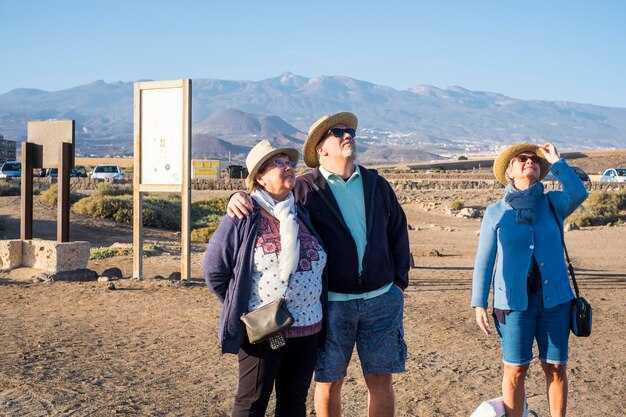
Reserve cabins or campgrounds well in advance and print your daily plan before you arrive. This keeps you organized during the season when access routes and campground capacity can tighten. Review the policy on food storage and safe dining, because locked containers keep bears from associating food with people.
When you plan hikes, start with a short walk on a signed trail and carry bear spray; stay with your group and never approach wildlife. Their behavior isnt predictable, so you must stay vigilant and keep a clean campsite to reduce flies at dusk. This approach gives insights into animal patterns and helps you read the landscape, especially at pullouts where others linger.
For lodging, consider cabins or upscale options near the park entrances to minimize daily driving on busy roads. Many visitors base themselves in cody to gain quick access to the east gate and easy drives to the start of morning programs. In contrast to serengeti crowds, Yellowstone’s peak traffic clusters around sunrise and dusk; plan to adjust your schedule accordingly. Print a map and check the entrance policies before heading out.
Safety and policy are practical: lock all food and scented items in bear boxes at campgrounds; they could require you to store food in designated bins, especially at higher elevations. Maintain at least a clear buffer around wildlife; do not block traffic with your vehicle and pull over only in designated areas to minimize road hazards. Ranger-led programs can provide insights into park etiquette and safety.
Having a backup plan helps. Finally, pack smart: water, sunscreen, a sturdy flashlight for evening walks, and spare batteries. If you’re camping, keep your gear downwind of tents to reduce odors that attract wildlife. Place dry gear down on a rack away from the sleeping area, and check print schedules of season programs and verify road status that morning to avoid delays.
How to Do Yellowstone Right: Key Tips for a Safe Visit and Wildlife Watching
Book a nearby airbnb in Bozeman or Gardiner weeks in advance to secure a comfortable home base near the park gates. We started planning by locking in a base early to minimize drive times and keep your holiday flexible for wildlife watching.
Second, map a route that covers iconic areas such as the upper Geyser Basin and the Lamar Valley, known for active wildlife at dawn and dusk. Seek out a local expert or ranger tips to fine-tune your plan and minimize backtracking.
Know safety distances: keep a minimum of 100 meters (300 feet) from bears and wolves; a minimum of 25 meters (75 feet) from other wildlife; never chase or crowd buffalo, calves included. Use long lenses or binoculars to observe without intrusion.
Prepare gear and etiquette: carry bear spray where allowed, store food in bear-resistant containers, and collect trash in your car or approved bins. Theyre strict about food storage to protect both people and wildlife. Stay on designated trails and boardwalks; never feed animals or approach geothermal features.
Seasonal planning matters: holiday weekends bring lots of traffic and limited parking, especially near Gardiner and the north entrance. Be mindful of flies near water in warmer months. Visit during shoulder seasons or weekdays, and check the park’s daily road status so you can plan a realistic itinerary. Booked accommodations and timed-entry rules may vary by season.
Wildlife watching tips: look for silhouettes in open meadows at dawn; stay in pullouts and move slowly–theyre easily spooked by sudden movements. Use binoculars or a telephoto lens to collect distant views without getting close; keep lots of distance from any herd and let them move freely. This adventure will reward you with closer wildlife sightings.
Packing and daily routine: bring layers for variable air temperature, a water bottle, sunscreen, and snacks. A simple biscuit from a local bakery adds a nice fuel break after a hike. Plan an active day that starts early and finishes with time to rest at your booked lodging; know you will feel refreshed after a well-paced itinerary.
Seeing Animals and Things to Consider
That distance rule–100 yards from bears and wolves, and 25 yards from all other wildlife–protects visitors and wildlife; they stay back, reducing risk and letting animals remain active. Never chase, feed, or corner them; this simple step protects the entire park experience.
Know where to watch: known viewing areas along major routes, pullouts, and boardwalks let you observe safely. Parking is limited at busy times, so arrive early here or use shuttles in peak season.
Drive slowly and stay alert; yield to wildlife crossing, and avoid stopping in the road to photograph a scene. If you see a large herd or a few bison near the road, wait until it clears and let them move.
For families and visitors with little ones, keep baby close and explain why you stay on trails; use a baby carrier for short hikes and keep children within sight.
Geyser fields and salt deposits draw large crowds; stay on marked paths and read signs; do not step on crusted ground, and avoid loose areas near vents. These areas offer dramatic features but demand caution.
daniel, a ranger, shares insights on respectful viewing: observe from a distance, never feed or touch wildlife, and avoid chasing animals across roads. daniel notes that safety depends on keeping the entire group calm and moving slowly.
After exploring, plan to rest in campgrounds and gateway towns; marriott properties help visitors stay close by. angeles visitors also plan multi-day trips, using gateway towns as bases. Here you can review things learned and prepare for the next day of exploration around geysers and valleys.
Timing and planning: optimize animal activity windows and crowd levels
Book dawn wildlife-watching with a knowledgeable guide to catch animals at water sources and near steam vents. A small-group, guided plan gives you better odds and helps you give wildlife the space they need. ribartravel offers nonstop guided trips with current availability.
- Pinpoint windows
- Target two to three sessions per day, centered on dawn and evening, when animals move between meadows and water. In spring, you’ll see lots of calves near streams; in fall, large herds shift between ridges and river corridors. Be ready to adjust if weather or traffic changes things that day.
- Use water and steam cues to locate activity: watch for birds, deer, and elk along riverbanks as mist rises from geysers in the morning. Keep a steady hand on binoculars or a camera to maximize views without spooking animals, and stay back well behind posted distances.
- Seasonal tweaks
- Spring (March–May): dawn is strongest for calves and early predator movements; northern sites like Lamar Valley offer frequent sightings. Recently, guides note that water flows attract more animals after melt; plan to be at reliable water edges before first light.
- Summer (June–August): daylight is long, but crowds grow large; aim for pre-dawn starts and post-sunset rounds to see large mammals emerge from cover. Take advantage of quieter hours to photograph geyser steam and big groups moving between meadows.
- Fall (September–November): peak activity surrounds elk and predator movements; crowds shift to flagship sites, so use back roads and lesser-known sites to reduce delays. Thats when you’ll find some of the best action in the northern ranges.
- Winter (December–February): daylight narrows and some roads close; guided winter trips focus on main corridors and accessible overlooks for reliable sightings.
- Crowd-aware planning
- Begin at quieter sites around 7:00–9:00 am and shift to iconic locations after 4:00 pm to spread crowds and improve chances with less obstruction. Lots of options exist if you pivot between Lamar Valley, Gardner Canyon, and lesser pullouts near the Butte.
- Check availability with ribartravel for nonstop guided trips and alternate windows; when Old Faithful or Norris gets crowded, switch to nearby sites with easier parking and similar viewing opportunities.
- Use a map and take a screenshot of peak windows and pullouts to stay coordinated with your group and avoid viewing bottlenecks.
- Field approach and safety
- Work with knowledgeable guides who explain behavior and safety distances; they give you insights that help you see more without stressing animals. You need to listen to safety briefings and respect posted boundaries.
- Carry water, snacks, and warm layers; stay on roads and boardwalks when posted, and never chase calves or approach a mother with young. Back away slowly if an animal displays distress, and stay mindful that staying back protects both you and wildlife.
- Plan around multiple sites to avoid overexposure to one location; that flexibility helps you cover more ground and increases the chance of a good shot or a great moment, especially when conditions change suddenly. Thats a practical way to keep things moving and safe.
Food storage and waste: bear-safe practices for campsites and picnics
Always store food in bear-resistant containers or in a locked vehicle. In almost all Yellowstone campgrounds, rangers provide sturdy bear boxes; use them for all meals and leftovers to keep bears away and campers safe.
heres a concise checklist for practical, bear-safe storage during a Yellowstone camp or picnic:
- Options for storage include approved bear canisters, hard-sided containers, or a locked vehicle; never leave food, scented items, or trash outside tents.
- Seal snacks tightly: place biscuits and other treats in the canister, wipe crumbs from surfaces, and minimize odor by keeping lids closed.
- Clean up within minutes after cooking: scrape plates, wash dishes away from water sources with biodegradable soap, and place waste in bear-proof dumpsters or ranger bins.
- Distance matters: store at least 100 meters (300 feet) from sleeping areas; if a bear box or vehicle is available, use that as the primary option.
- Respect wildlife: never feed bears or bison; give all large animals ample space and back away slowly if they approach.
- Dusk routines: check the site for odors, secure leftovers, and ensure all bags are sealed before you turn in for the night.
- Picnic-site discipline: keep coolers sealed, transport waste in odor-proof bags, and never leave bags or dishes unattended at any point during your vacation or touring.
- Rangers and etiquette: tell visitors to use odor-control storage options and to dispose of waste only in designated points or bear containers.
- Morning follow-up: promptly store leftovers after breakfast, wipe down cooking gear, and verify that all food remains sealed before you head out.
In practice, many visitors with years of camping experience have lived this routine during west Yellowstone vacations and canyon excursions; the simple habit of sealing everything reduces surprises at dawn and dusk, and keeps everything running smoothly for everyone involved, including the bison and other wildlife that roam campgrounds.
For wildlife observers, a zoom lens helps you watch from a safe distance without approaching.
This unique risk in canyon corridors demands attentiveness, and doing the right storage steps protects both people and animals across campgrounds and picnics.
Wildlife viewing etiquette: safe distances, quiet observation, and optics use
Keep at least 25 yards from most wildlife and 100 yards from bears and wolves. Back away slowly if an animal approaches, avoid sudden movements, and never chase or corner wildlife. In yellowstones, these distances protect both visitors and animals, especially during the fall season when bears are active and crowds gather around hubs like popular overlooks in the north. Follow posted signs and stay on designated trails; theres no benefit to improvising for a photo or a closer look, and your choice to stay back reduces bite risk. Take care to observe, not to disturb, and stand farther than you think necessary.
Quiet observation improves safety and your chances for a photo. Speak softly, turn off loud devices, and resist the urge to chase animals for a closer view. Position yourself on stable ground, keep your feet and hands still, and cover your camera lens to avoid flare; around wildlife, a calm demeanor helps everyone. If a show presents itself, keep distance and avoid crowding. Often, the best sightings happen when you stay still and let the animal decide when to move. it’s okay to pause and reassess, though you may miss a shot.
Optics and gear: use binoculars or a spotting scope to keep distance while you get clear detail. If you cant bring your own, rent gear from local shops or book a guided optics session; there are options in denver and other hubs. Pack a tripod or a solid base for steady framing, and consider a long lens for the right photo opportunities. last-minute gear can be arranged at visitor centers, so plan ahead and stay willing to adapt.
Never feed wildlife; trash contains attractants, so seal bags and use bear-proof containers. If an animal displays aggression or closes distance, back away slowly and give space. In an encounter, avoid eye contact and stay on the trail; if bite risk seems present, retreat to a safe distance and report the incident to a ranger. Cover gear and pack away edible items when you finish. If you need to take a closer look, do so from a safe distance.
Seasonal planning helps: visits during dawn and dusk often yield more action, and fall routines shift with migrating species. North-facing routes can be busy, so consider alternative loops if crowds spike. For denver-area travelers, a day-trip can pair with canyon stops and wildlife loops. theres always another vantage point, from which to observe a herd or a lone predator without disruption. heres something: book parking where offered, keep a small map handy, and respect closures. An ethical baseline: leave everything as you found it and take only photos, not souvenirs.
Trail, road, and park rules: staying on paths, obeying speed limits, and signage
Always stay on marked trails and obey signage. This protects soil, minimizes wildlife disturbance, and keeps trails usable for years. Start at the trailhead by reading the policy, plan a three-mile loop on an upper trail if you’re new, and take one deliberate step to stay on the path. If back pain is a concern, consult a chiropractor and adjust your pace. With that approach, your day can be unforgettable and safe for everyone.
Signage and maps guide you around closures, sensitive habitats, and seasonal restrictions. Use the park search tool or official app to confirm status before you go; availability of backcountry routes varies with weather. If you plan camping or base camping, book permits early; weekend and summer slots fill quickly and sometimes there are deals for multi-activity visits.
Road rules and safety: obey posted speed limits, watch for people walking on the shoulder, and pull over in designated spaces for photos. Do not stop in the travel lane. Respect wildlife and other people; keep a safe distance from animals and give fellow visitors room to pass. There may be nonstop traffic near popular viewpoints, so it’s okay to pause for a photo but stay ready to resume once the path is clear. Over the miles, stay patient and respect others.
Backcountry, camping, and etiquette: stay on established routes even if a base-camp location seems tempting; follow Leave No Trace and pack out trash. If you stayed overnight in backcountry, ensure you’re on the right permits and carry bear canisters where required. Summer weekends bring more people and dogs; use leashes where required and keep noise low. In serengeti-like crowds, search for a quiet place along an upper trail or a lesser-known loop; there is typically availability miles away from main pullouts, and you can spend half a day or even a full day with a steady pace.
Weather and health readiness: gear, hydration, altitude, and emergency basics
Pack a layered clothing system and hydrate properly before your Yellowstone visit. Start with a moisture-wicking base layer, a warm mid-layer, and a waterproof shell, plus a beanie and gloves for the upper elevations. Bring sturdy hiking boots, a brimmed hat, sunglasses, a compact rain jacket, and a small first-aid kit. Include a lightweight emergency blanket, a headlamp with extra batteries, and sunscreen with high SPF; lip balm protects against wind and sun at altitude.
Hydration and fuel matter: carry 2–3 liters of water per person in a daypack, plus electrolyte tablets. In August the day can swing 40–60 degrees Fahrenheit (5–15 C) from dawn to afternoon, so drink regularly and adjust for exertion. Have something quick like energy bars or dried fruit, and avoid relying on a single water source–purify or filter water if you refill from streams. If your holiday next year centers on a camping or lodging plan, include a backup water option in your gear list and keep a spare bottle in the vehicle.
Altitude readiness: Yellowstone ranges from river valleys around 5,000–6,500 ft up to upper ridge trails exceeding 11,000 ft. Expect thinner air, faster dehydration, and slower pace. Pace yourself on first climbs, take breaks every 15–20 minutes, and monitor for headaches or dizziness. If symptoms appear, descend 1,000–2,000 ft and seek help if they persist after rest and fluids.
Emergency basics: carry an offline map and compass or a reliable GPS device, and share your itinerary with someone in your city or at your Airbnb. Keep a charged phone, but plan for spots with weak reception; a satellite messenger adds reliability for backcountry sections. Know park emergency numbers and the location of rangers; in a medical scenario, call dispatch or 911 and administer basic first aid while waiting for help. If you get separated, stay with your group or at a visible landmark, signal with a whistle, and conserve energy and battery life until assistance arrives.
| Item | Нотатки |
|---|---|
| Base layer | Moisture-wicking synthetic or wool |
| Mid layer | Fleece or lightweight puffy for warmth |
| Outer shell | Waterproof and windproof |
| Взуття | Sturdy hiking boots with traction |
| Headwear | Warm beanie and sun hat |
| Hydration | 2–3 liters capacity; electrolyte tablets |
| Food | Energy bars, nuts, dried fruit for quick energy |
| Navigation | Offline map and compass or GPS device |
| Безпека | First-aid kit, whistle, emergency blanket |
| Lighting | Headlamp with extra batteries |
| Sun protection | Sunscreen (SPF 30+), lip balm, sunglasses |