


 Українська
  English (UK)
  Русский
  বাংলা
বাংলা  العربية
  日本語
日本語  한국어
한국어  Magyar
  Norsk nynorsk
  Türkçe
  עִבְרִית
  Español
  Čeština
  Svenska
  Português
  Ελληνικά
  Suomi
Suomi  Nederlands
  Română
  Italiano
  Français
  Polski
  Deutsch
  简体中文
简体中文  Slovenčina
  Српски језик
  اردو
اردو  Azərbaycan dili
  O‘zbekcha
  አማርኛ
አማርኛ 

Start with a concrete plan: schedule one short, low-effort activity each day and guard a 20–30 minute quiet break afterwards. This simple structure makes arrival calmer, keeps you sane, and cuts looming resentment when plans collide with group pace.
Before you go, write down your reasons for taking part and the interests you’ll bring to the group. Share one honest option to meet up, or a plan that fits your energy, and invite volunteers to join you if they want more company.
Use small, meaningful interactions as an opportunity to connect. If loneliness spikes, propose a quick check-in with a friend or a fellow introvert at the start of the weekend; this gives you a sane support node and a buffer for hard moments of being.
Be honest with organisers about your limits. If a long hike or crowded venue triggers stress, say “let’s meet at the cafe before and after,” and stick to your plan. Іноді a few simple shifts save you from overstretched energy.
Choose activities that align with your interests and give you a sense of control. Request a designated quiet corner or a flexible schedule; explain you’ll stay longer if you have a break and optional solo time. This keeps momentum and reduces loneliness when you’re being pulled in different directions.
Present yourself as an active, contributing member, not a passive observer. Offer to help with a small task – organising supplies, leading a short walk, or coordinating a low-key activity – as a way to be useful and appreciated. Cheers. to the small wins, you create a positive vibe without overcommitting.
Practical steps for navigating group travel as an introvert
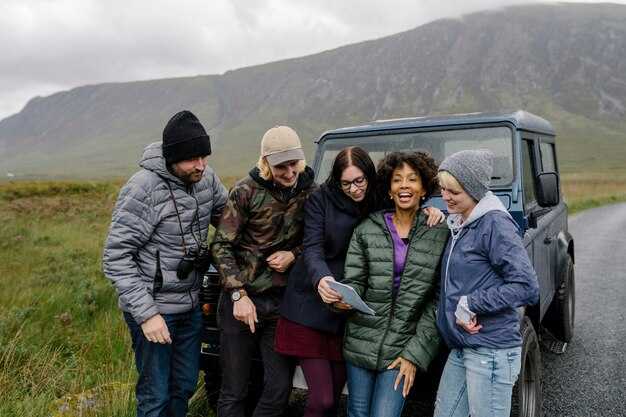
Set a 60/40 plan: 60% of activities with the group and 40% reserved for yourself, and confirm your plans with the couple coordinating the trip before you leave.
Before each day, identify two activities that fit your preferences and reserve a 30-minute break for yourself.
Keeping a simple white card with your energy limits helps; share it with someone you trust so they can support you if energy runs low. Here are practical steps you can follow.
When someone's pushing non-stop plans, suggest a short pause: step outside for a minute to calm down, then rejoin the group.
City outings work best when you mix social doses with quiet moments: a couple of blocks at a steady pace, a coffee, and a pudding stop for a breather.
Night-time options should remain controllable: suggest a dinner option with flexible timing, then depart at a reasonable hour to recharge back at your room.
Connections matter, but keep opinions short and direct; only join conversations that spark curiosity, and respect that not every topic will appeal to everyone on the trips.
Being honest about your energy and needs reduces friction; actually enjoying the trip comes from honouring your limits while staying kind to others; being quiet doesn’t mean you don’t belong.
Spent the morning on public transport? Switch to a lighter activity and reconnect with the group later the same day.
Here's a quick recap you can reference on the go. Here's a concise checklist to remember on trips: 60/40 plan, two preferred activities, a white card, breaks, and flexible night options.
Energy budgeting: map your social load and plan downtime for each day
Where you travel with a group, map your social load for the day in blocks, and schedule a break Here's your translation: After each block of activity.
Construct a simple grid: designate morning, midday, and evening slots, and estimate how many conversations you expect in each. If a slot includes two long talks, aim for only one short chat afterwards and allow at least 15 minutes of quiet. downtime. There, you'll have enough energy to keep going rather than falling behind others.
For example, if your day includes tours In Istanbul or Portugal, plan two short breaks after the big walk. If you crave quiet moments, pick a café with dessert and sit with your thoughts while others chat. Coping with crowds becomes easier when you create a predictable rhythm instead of letting conversations run long without a reset.
Have a think about friendships and which connections you want to nurture today. Don't pack your schedule; keep expectations aligned with your pace. If you are unsure don't join a late plan; take a 5-minute break and revisit later, which helps avoid feeling annoyed. Keep advice ready: suggest meeting up later or taking a break on your own when the group moves on.
Before you head out, write down your plan for the day: where you’ll be, how long you’ll stay, and a 15- to 30-minute break after key moments. Above all, if a loud din arises, retreat for a quick walk or a breath of air; you’ll return with a clearer head and can think more calmly about their opinions.
Then review your notes: what worked, where you struggled, and how many conversations you could sustain without burning out. This simple tracking helps you adjust for the next trip and keep a steady pace across tours and days. Cheers for trying this approach.
Three micro-boundary templates you can use immediately
Template 1: One-on-One Pause. Always begin with a 10-minute one-on-one chat before the next group activity to set needs ahead. For example, on a trip that might include Ecuador, pull a friend aside and say, ‘I need a quick break after this leg; I’ll rejoin in 10 minutes.’ This keeps you close to your energy, helps with coping when conversations happen, and prevents overwhelm from creeping in. This approach respects everyone's needs and gives you a clear means to protect your pace so you don’t burn out. If you can't keep up with a big schedule, you can still opt out for the next break and rejoin when you feel ready.
Template 2: Two-Topic Rule. Choose two topics to cover in each segment to reduce overload and create better energy flow. This keeps conversations focused and gives you better control over how you spend time with the group. For example, between site stops and a light travel update, you can say, ‘Let’s stick to two topics for now; then we’ll switch.’ If a topic starts to feel deeper, use a simple cue to switch to a lighter subject like a travel anecdote or a plan for the next meet. Some conversations can go nonstop, but this template gives you a practical way to cope and still participate by doing a quick reading or taking a brief break. It also offers deeper conversations while keeping some spaces lighter for balance.
Template 3: Signal and Safe Space. Pick a discreet signal your group recognises, such as a light touch on the arm or saying ‘pause.’ It creates a few ways to stay engaged without draining you. When you use the cue, retreat to a nearby quiet corner or spend 10 minutes walking with a friend to recharge. After the break, meet back with the group at a set time, or choose to meet one-on-one to wind down a specific conversation with each person. Plan ahead so you know where to go and what to do, whether you’re facing night crowds, white noise, or a long evening. This approach helps you believe you can protect energy, avoids wrong turns, and keeps conversations on track while staying true to your needs.
Build-in solo time: how to request quiet moments without feeling rude
Set aside a fixed 20-minute solo window mid-morning and another after lunch, totalling about an hour per day. This amount gives you coping space and protects your health while you still participate with your friends.
Ask in clear terms: “Could we carve out 20 minutes for quiet time after lunch? I want to recharge so I can join the conversations and bring better experiences to everyone.” If you're comfortable with that approach, it sets a positive tone.
Find a quiet spot, sit with your back supported, and use a simple routine: breathe 4-4-4 for four cycles, then write a few lines in your journal about what you want to do next. This keeps coping sharp and keeps your interests in view.
If someone pushes back, don't take it personally. Say, Don't worry, this isn't about them; it's about me showing up with energy for them. Taking this time means good experiences later for everyone's benefit, and it helps maintain connections.
On trips to Portugal or Ecuador, pace and language may vary, but a simple message works: “I need quiet time to reset; I’ll rejoin you in 20 minutes.” Most groups appreciate your honesty and you can return with fresh energy and amazing stories from your own experiences.
To keep it practical, bring a lightweight notebook, plan a short walk or listen to calming music during breaks. Taking additional breaks can prevent drained energy from folding you into the crowd, and you can still stay connected with your friends.
Over time, you'd notice smoother conversations, stronger connections, and richer memories from the trip. You can reference your journal later to reinforce your interests and plan future trips without burning out.
Choosing activities that fit your pacing: compare itineraries and opt in

Pick one flexible itinerary and opt in to the option that fits your pace today.
Draft two micro-itineraries that share core ideas but vary in tempo: five blocks of activity with built-in rest, enough to compare how you spend time without draining energy. Think about who you’re travelling with, those preferences, and what you actually want to do, so you can compare options that fit your needs and avoid tension.
Only you know which pace fits your person, those whose energy you want to protect.
Map each block to a local experience and a short pause. For introverts, a full-blown schedule can feel hard; for others, it’s worth it if the love of discovery is strong. There's room to adapt, and you can opt in or skip based on how you feel ahead of time. Think about what that means for energy and connection. That can mean more space for conversation and local tastes. For some groups, this balance is worth the effort.
Tips to implement: start with a calm morning activity, then a flexible afternoon, and have a backup option that requires minimal walking. This approach makes it easier to decline a too-ambitious block and spend time with locals in ways that feel right for your group. If someone loves a local café or a short park stroll, you can plan a light add-on; otherwise, you can savour small discoveries and feel satisfied with what you already loved. Respect everyone's energy by staying flexible. If a block feels too long, you can survive by cutting it or swapping for a shorter warm-up.
Ask everyone in the group to weigh in, especially those whose pace differs. If your husband went along with a slower rhythm, your own version might be more enjoyable. There's space and opportunity to adjust ahead to keep everyone comfortable and happy. Their input matters, and there's space to respect their needs while protecting your mind and energy, so you can actually enjoy the day. This approach is more enjoyable for those who value small wins.
| Аспект | Option A | Option B |
|---|---|---|
| Tempo | Easy, short blocks | Hey, here's the translation you asked for: Moderate, longer blocks |
| Rest breaks | Frequent | Flexible |
| Local experiences | Strolls, cafés | Market visit, hands-on activity |
| Energy fit | Introvert-friendly | Group-friendly and pace aware |
| Найкраще для | Mindful enjoyment | More discovery within a balanced plan |
Safe exit and recovery strategies: signals to leave early and recharge
Take a 15-minute solo break at the first sign of feeling overwhelmed to reset your mind and keep your connection to the group intact.
This section here explains a simple approach you can apply on group travels to protect your energy, maintain honest conversations, and avoid drama.
Signals to leave early:
- Fatigue or heavy eyelids after about 60–90 minutes of activity.
- Sensory overload: crowded rooms with loud music, bright lights, or persistent white noise.
- Losing interest in what's going on, and increasingly wanting to duck out of chats and aggro.
- Headache, dizziness, or stomach discomfort that worsens when the group keeps moving.
- You notice you're snapping at others or your opinions become harsher than your usual tone.
- Need for privacy or personal space to reset your mind before rejoining the group.
- You're on a road trip or museum visit and feel you can't keep pace without compromising your wellbeing.
Recovery steps to use after you leave:
- Move to a quiet corner or outside for fresh air and a short walk to lower adrenaline.
- Have a drink and a little snack, or a quick pudding break to reset your energy levels.
- Limit screen time, if possible, and listen to your own rhythm for 10–15 minutes to regain balance.
- Return at your own pace, making time for yourself so you can engage more deeply when you rejoin.
- Opt for rooms with white walls or calming tones to minimise sensory input while you recharge.
How to talk with the group about your needs:
- Keep conversations honest: tell the group you want to participate but need short breaks to recharge.
- Share your interests and times you're most likely to rejoin, so the relationship stays strong while you're on this road together.
- Offer practical reasons for leaving: you want to protect the group experience and your own mental energy, which matters to you.
- Suggest a simple plan: meet again after a museum visit, or after a dessert stop, so there's always a next moment together.
- Focus on coordination rather than excuses; say you’ll be back in 15–20 minutes and stick to it, so trust remains intact.
Practical tips for different moments:
- In a museum, if a room feels overwhelming, exit briefly to a quieter stairwell or hallway and rejoin when you’re ready.
- When drama surfaces, step away calmly and use an honest line like, “I need a moment to regroup, I’ll be back after a quick walk.”
- When you're travelling, set a shared check-in time so you can align without pressuring anyone to slow down for you.
- If you notice you’re saying “no” too often, revisit your plan and schedule a longer, restorative break so you can participate with more depth later.