


 Українська
  English (UK)
  Русский
  বাংলা
বাংলা  العربية
  日本語
日本語  한국어
한국어  Magyar
  Norsk nynorsk
  Türkçe
  עִבְרִית
  Español
  Čeština
  Svenska
  Português
  Ελληνικά
  Suomi
Suomi  Nederlands
  Română
  Italiano
  Français
  Polski
  Deutsch
  简体中文
简体中文  Slovenčina
  Српски језик
  اردو
اردو  Azərbaycan dili
  O‘zbekcha
  አማርኛ
አማርኛ 
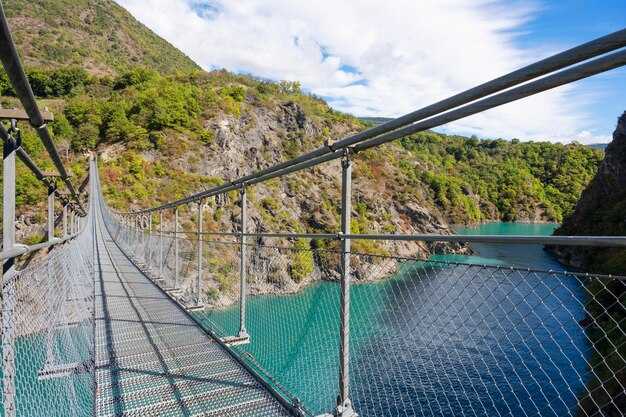
Plan to walk across the bridge at dawn on a weekday for the clearest views and lighter crowds. The air is crisp, the fog hides the city’s edges, and you’ll get a clean shot of the towers with the bay below. Allow 30–45 minutes for a one-way walk and bring a light jacket; the wind changes quickly over the water.
The bridge opened in 1937 after four years of construction on a site known for seismic risk and maritime weather. However, safety innovations and meticulous testing set a standard engineers know today. Over decades, the structure gained fame as a famous symbol of American ingenuity, with plenty of feedback from visitors noting the thrill of crossing the span and the dramatic views of the mountain and water. This landmark is a source of inspiration for filmmakers and photographers – a source for many creative projects.
The design is a classic suspension system: two main cables span the bay, supported by tall towers that rise from the rock and feed hundreds of vertical suspenders to the roadway. The towers reach about 227 metres, and the six-lane deck accommodates pedestrians on the outer edges. The colour, International Orange, is not just a visual choice; it gives the bridge strong visibility in fog and rain. In practice, engineers know that the cable-suspension pattern distributes loads efficiently, and the historical drawings show exactly how the forces transfer into the anchors. The mythical idea that paint alone protects the metal is not accurate; protective coatings and regular maintenance preserve the surface. Fibreglass models in visitor centres help visitors understand the load paths, and actually seeing the models gives you a clear sense of how weight is shared by supports. The design offers an ideal balance of form and function, with a solid mechanism that remains reliable under gusts. The cables provide support to the deck.
Practical visiting tips: check the official schedule for pedestrian hours and closures; bring a camera with a wide-angle lens; plan your visit around sunrise or sunset; use official car parks or accessible transit; cycling is allowed on the west pavement; keep to the right when walking and give way to cyclists. The best viewpoints include Vista Point to the north and the Marin Headlands. A typical route is to start on the north side at Vista Point, walk toward the centre, then return via the south side. Feedback from recent guests highlights safety, accessibility, and the best photo spots; plan at least 2–3 hours to combine the bridge with nearby parks. Fog can create dramatic silhouettes, so be prepared with layers, and look for less crowded periods on weekday mornings.
Behind the shine, the Golden Gate Bridge functions through a network of supports and anchors. The bridge is a big, real structure – not a mythical pose – but it does invite storytelling; many travellers feel an almost mythical sense of awe when they approach the towers. For material details, the main construction uses steel components; fibreglass and other modern composites appear mainly in museum-scale displays. With careful planning, your visit yields a clear sense of how the bridge stands up to winds and tides. Seeing it up close reinforces that sense of scale and engineering.
In brief, the Golden Gate Bridge remains a rare combination of beauty and grit. It gives visitors more than a photo; it provides a tangible sense of how large-scale structures tolerate nature and remain iconic for a long period. With a thoughtful plan, you can enjoy quiet viewpoints, safe paths on both sides, and an experience that resonates long after you leave the bay.
Practical Insights for Planning Your Visit
Arrive in the morning to beat the crowds, because soft light and cooler air make the walkway more enjoyable and the views clearer.
The Golden Bridge sits atop Ba Na Hills at an altitude of around 1,400 metres, delivering sweeping vistas over forested slopes. Plan a day that includes the cable-car ride and time to explore the plaza, the walkway, and the bridge itself.
Tickets are required for entry to Ba Na Hills and include the cable-car ride up to the park and access to the bridge walkway. Buy online to skip queues; google results and the official site show the latest options. This package included the cable-car ride and access to the bridge walkway, so you don’t miss the core experience. The ascent offers dramatic views as you rise above the canopy, and you'll notice the valley from above.
Access flows to the bridge: base station → cable car ride → plaza and the walkway to the bridge. Watch out for crowds, especially at weekends and on holidays when visitor numbers peak. The walkway is about 150 metres long, with several vantage points for photos. The structure sits high on the hills, so expect wind and changing light as altitude affects feel and temperature.
- Timing and arrival: allow 2–4 hours for the bridge area, plus extra time for rides, meals and photo stops.
- Footwear and gear: wear comfortable walking shoes; bring a light layer for a higher altitude breeze.
- Photography: arrive early or late in the day for best light; the walkway offers multiple views and angles.
- Food and rest: the complex includes several restaurants; carry water and snack options if you have dietary requirements.
- Accessibility: paths are largely paved; support staff are on hand to help with directions or mobility needs.
A tip from Charles, a longtime guide, based on his experience, notes that arriving before 9 am yields fewer queues and more time to savour views that seem to change with every minute. A global blog round-up shows popular spots along the route and suggests planning around clear weather windows. Actually, the experience blends engineering and landscape beauty, and tickets include the core ride and access to the bridge area. Know exactly where to stand to catch the best light, and avoid the wrong spots that block other visitors or cast unwanted shadows.
To maximise your day, use a simple plan: morning ascent, time for photos, lunch near the plaza, then a relaxed descent. Based on your travel style, you can tailor this to a half-day visit or make it a full-day outing. For updates and tips, check the official Ba Na Hills page and Google travel listings before you go, because schedules and inclusions can change with seasons. This will help you feel prepared and confident when you reach the base and begin your ride toward the iconic walkway and the altitude-delivered views that define this must-visit landmark.
Origins and Historic Timeline
Plan your dawn visit to see the bridge emerge from fog and grab crisp pictures. This long wait for light is worth it; the altitude above the water frames the origin story and the historic timeline you’ll read about in this guide.
Origins trace back to early 1900s debates about a safe crossing across the Golden Gate Strait. By the 1920s the idea gained momentum, and planning moved from sketches into detailed designs that would withstand wind and currents. Over the years the project evolved from a concept into a formal proposal, with the site’s coastal terrain and nearby forest shaping tower heights and span calculations. The design process was collaborative, with manufacturers and engineers coordinating in multiple cities and on site.
1930 marked the final design by Joseph Strauss, with chief engineer Charles Alton Ellis refining calculations and Irving Morrow guiding the aesthetic. Construction began in 1933, and roughly 11,000 workers laboured daily; lunch breaks fed by food made on-site kitchens kept crews energised. By 1937 the bridge opened to traffic, becoming a symbol of progress and a turning point for Bay Area mobility. The main span measures 4,200 feet (about 1,280 metres); towers rise 746 feet above the water, and the vertical clearance is about 220 feet. The project cost about $35 million, and the effort needed careful sequencing, with bringing in steel, concrete, and cable from far afield. Getting to this milestone was a team effort that completely changed the region and kept momentum going for decades.
The bridge’s iconic colour – International Orange – and its bold silhouette quickly became a global emblem. It was awesome to watch, and it brought love from люди across the Bay. Locals love how the spans blend utility with a graceful profile, and the structure drew attention from newspapers, magazines, and pictures that circulate in google archives, keeping the story alive. The project became more than steel; it brought a sense of unity and a new era of regional identity and pride.
In recent decades maintenance has kept the span reliable; safety updates and inspections ensure the crossing remains a staple for traffic and a magnet for visitors. This timeline shows how an audacious idea became a lasting link that continues bringing people closer, not only moving cars. If you want a quick snapshot, use this outline to chart the arc and, for fresh visuals, check updates from google and a new set of pictures.
Architectural Design Principles and Engineering Highlights
Visit in the після обіду during the shoulder season to enjoy the stunning color of the curved deck and to avoid busy crowds.
The architectural principle is form follows function: the curved deck distributes load along an arched spine, while the hands cradle the walkway to form a strong, symbol-rich silhouette. For each element, a clear purpose remains: dragon-inspired detailing connects the structure to local myths whilst preserving engineering clarity, delivering a clever balance between art and structure.
Materials and finishes emphasise longevity: a steel frame with reinforced concrete piers, protected by a robust colour-toned coating that keeps colour bright against water Exposure. Slip-resistant tiles and guided lighting improve safety, while modular joints simplify maintenance so crews can loop through seasonal repairs without delaying access for attractions, crowdsабо dining patrons along the promenade. Observers online compare targets across bridges and find this design uniquely adaptable to urban settings. This marvel of engineering places the bridge among worlds of iconic structures. This approach does not hinder accessibility.
For adventurous visitors seeking a focused experience, follow smart advice: approach during off-peak windows, move over to vantage points that align with the dragon-hand motif, and use the entry points that place you closest to the best views on the water. The design encourages seeing carefully and offers dining options nearby to extend your time in the zone o' attractions. This approach keeps the після обіду calm and perfectly frames the symbol of the landmark for photographers and families alike.
Materials, Finishes and Visual Language
Proceed with a materials plan that blends durability with a luminous, golden aura. Use weathering steel for the core structure, bronze-tinted glass for transparency, and warm timber for a human-scale touch. This trio respects the forest and mountain context below and offers plenty of resilience against the weather at high elevation. This creation of materials and detailing yields a singular, durable look. Designers know the story this palette tells; it reads as a symbol of longevity and care, not a quick fix.
Materials and finishes in detail: The main rails and girders in weathering steel (corten-like) age to a rich, rusty-gold patina. Cladding in brushed bronze-aluminium provides a warm glow that remains honest under direct sun. Glass panels use low-iron, high-transparency glazing for quick visual connection with the environment. Timber accents (teak or ipe) offer a lush contrast that invites touch. Finish all exposed surfaces with a durable sealant to protect colour fastness and keep the glow even as humidity shifts. Work with designers to ensure seamless joints and prevent gaps that attract dirt below the handrail line.
Visual language and storytelling: The colour language centres on amber and gold with forest-green notes inspired by jardin motifs planted along the walkway. The forms lean into long, continuous curves that guide visitors along the bridge and into attractions on the far side. Lighting layers include warm LEDs along edges and downlight accents that highlight the textures of steel and wood. The result is a global signal of unity: a symbol that emerges from the mountain and invites a happy, contemplative pause for travellers. Then the design communicates damour through intimate detailing in rail caps, knuckles, and hand-surface textures. This isn't a decoration; its core function stays honest and durable.
Construction and maintenance: Plan for plenty of redundancy in fasteners and drainage; place protective coatings on steel to resist corrosion; apply sealants to timber annually. Establish a simple, below-grade drainage system to handle meltwater from the mountain snow. Use colour-matched fasteners to preserve the visual language and minimise maintenance. Transportation access and logistics must be considered early, since quick repairs near foundations matter when crowds gather for evening light. The designers should record facts on site so crews can proceed with confidence and finish within the seasonal window.
| Аспект | Materials | Finishes | Visual Cues | Practical Notes |
|---|---|---|---|---|
| Structure | Weathering steel, reinforced concrete | Natural patina, clear sealant | Long, flowing lines; honest texture | Verify corrosion rates; liaise with maintenance crew |
| Railings | Steel framework, glass panels | Brushed bronze-aluminium accents | Translucent safety with glow | Non-slip surfaces; easy replacement of glass |
| Decking | Teak or ipe timber, composite options | Oil-based sealant, UV protector | Warm and inviting underfoot | Seasonal maintenance; check moisture levels |
| Lighting | LEDs, aluminium housings | Matte gold-tone fixtures | Soft, even illumination; reflections on water | Energy-efficient; zoning for crowds |
| Site integration | Planters, stone edgings | Stone, natural finish | Garden motifs; colour accents from planting | Native species; low-maintenance planting |
Best Vantage Points and Photo Opportunities
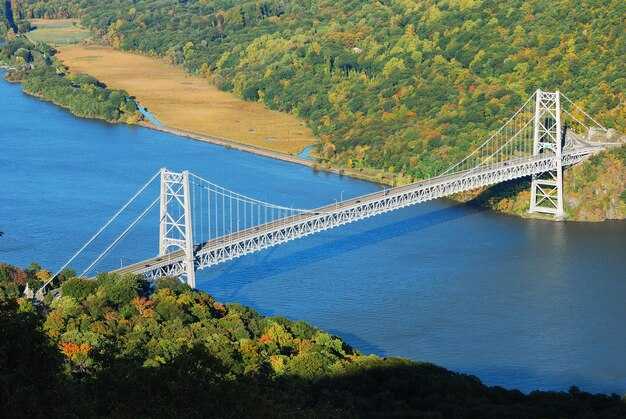
Head to Battery Spencer at dawn for the best close-up shot of the bridge; the stone walls frame the span whilst the ocean and headlands form a dramatic backdrop.
From Crissy Field, you can capture a broad view that shows the bridge crossing the bay and the city through calm water, enhancing the sense of seeing I understand. Please provide the text you would like me to translate to UK English.
Fort Point offers a sheltered angle beneath the south approach; its stone Walls create a strong foreground and reveal the towers through the arches, giving you a striking silhouette that sits well in its own moment of light.
In the Marin Headlands, Hawk Hill and nearby overlooks let you explore lush foregrounds that lead the eye through the span toward San Francisco. Those spots are designed to balance nature with steel, offering a good sense of scale and a tangible theme for your frame.
У "The Answer for serious photographers is to combine vantage points: arrive early for clean shots with fewer visitors, then loop through Crissy Field and Fort Point as crowds move. These times let you see the bridge in different moods. If you want guidance, tickets for a photo-focused tour can simplify planning and tell you the best spots to stand, so you're able to choose the right moment.
Practical Gear tips: a mid-telephoto zoom for compression, a wide lens for the full span, and a sturdy tripod for low-light sequences. Read park guidelines and weather notes before you go, making a quick plan to catch the best light. You'll need to pack extra batteries and a microfibre cloth to wipe water droplets. You'll also notice groups from brazil arriving in june, which makes the scene more dynamic but can crowd those spots. The overall experience itself rewards preparedness and a touch of amusement.
Planning Your Visit: Hours, Tickets, Access, and Safety
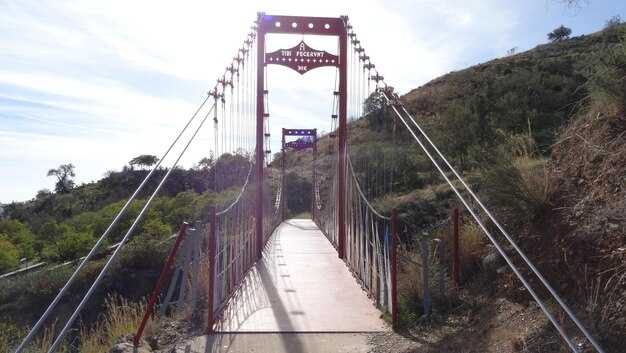
Arrive at opening to secure the best light and the shortest queues. Ba Na Hills operates with seasonal adjustments, but you can expect the complex to welcome visitors from early morning into the evening. Typical hours run roughly 07:30–21:00, with the last cable car departing around 20:30–21:00, depending on the season. For exact times, check Google Maps or the official Ba Na Hills page before you go.
Tickets include access to the Ba Na Hills grounds and the Golden Bridge area; adult and child categories apply. Online pre-purchase saves time, and prices commonly range from 700,000–1,000,000 VND for adults and 550,000–800,000 VND for children, varying by season and promotions. Some packages may include additional experiences, so verify what’s included at purchase. Buy from the official Ba Na Hills site or trusted agencies to avoid incorrect fees.
Access is via the Ba Na Hills cable car network; the ride from the base station to the summit lasts about 15–20 minutes, with panoramic fibreglass windows for views of the gorge and forest. From the top plaza, you reach the Golden Bridge and the other theme areas after a short walk. If you plan more than the bridge, pace yourself and later return to nearby indoor spaces to rest or snack.
Safety comes first: follow posted signs and staff directions, wear sturdy shoes, and bring water and a lightweight layer for altitude changes (about 1,480 metres above sea level). The top can be cooler than Da Nang city, so a jacket is wise and plan for sudden rain. Indoor spaces such as cafes and the Fantasy Park provide shelter if weather turns foul; keep valuables secure and supervise children closely. If you feel unwell, sit down and hydrate; avoid pushing through crowds at peak times.
Tips to optimise your visit: start early on weekends and holidays when tourist numbers rise; pair the day with nearby options like Dragon Bridge in Da Nang for a day-night contrast, then return to Ba Na Hills for the views. Reserve a two-hour window for Golden Bridge photos, then add time for the garden paths and indoor attractions. Expect crowds mid-morning and late afternoon, and be ready to adapt. If you hear nang used by locals or vendors, treat it as local flavour. This elevated, themed experience offers gorgeous views, a unique guide to architecture, and a special memory for adult tourists alike.