


 Українська
  English (UK)
  Русский
  বাংলা
বাংলা  العربية
  日本語
日本語  한국어
한국어  Magyar
  Norsk nynorsk
  Türkçe
  עִבְרִית
  Español
  Čeština
  Svenska
  Português
  Ελληνικά
  Suomi
Suomi  Nederlands
  Română
  Italiano
  Français
  Polski
  Deutsch
  简体中文
简体中文  Slovenčina
  Српски језик
  اردو
اردو  Azərbaycan dili
  O‘zbekcha
  አማርኛ
አማርኛ 
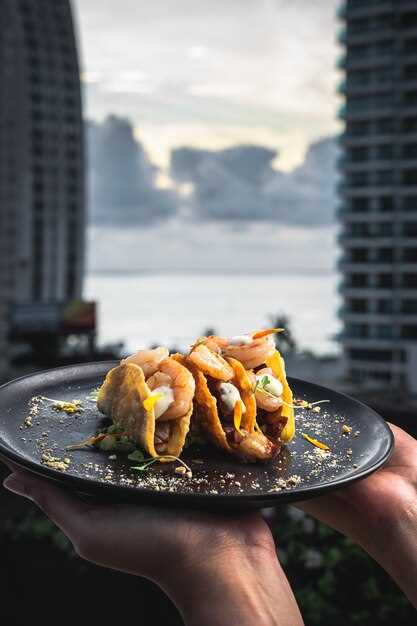
The culinary landscape of Malaysia and Singapore is a vibrant tapestry woven from the diverse cultures and traditions of their people. Though these two countries are often celebrated for their unique identities, the flavours that emerge from their kitchens reflect a shared heritage that includes an array of influences from Chinese, Indian, and Malay cuisines. This article invites you to explore the fiery dishes that have captured the hearts and palates of locals and visitors alike.
In both Malaysia and Singapore, food is more than just sustenance; it is a celebration of life, prosperity, and cultural exchange. Restaurants and hawker centres bustle with activity, where you’ll find dishes such as Nasi Lemak, a fragrant rice dish wrapped in pandan leaves, and Char Kway Teow, a beloved stir-fried noodle speciality. The wealth of culinary delights doesn’t stop there; Chiu Chow і Malacca cuisines offer unique flavours that include marinated mackerel, salted fish balls, and dishes garnished with shallots and coriander.
A journey through these regions would be incomplete without sampling the essential local ingredients that define the cuisine. Lemongrass, turmeric, and tamarind are just a few of the seasonings that give Malaysian and Singaporean dishes their characteristic taste. In Sarawak, where traditional recipes are passed down through generations, you may find dishes like Taro Jelly, a delightful treat rich in flavour and history. As one travels from county to county, it becomes clear that each region has its own culinary specialities that paint a picture of the land’s culture and history.
Embarking on a culinary adventure in Malaysia and Singapore isn't just about satiating hunger; it's about experiencing the story of the people who inhabit these regions. From the humble hawker stalls to high-end restaurants, the diversity of flavours showcases the patience and care that goes into each dish. Whether you’re dipping into a bowl of spicy curry or savouring the sweetness of a perfectly cooked omelette, every bite holds the legacy of those who came before, ensuring that their heritage continues to thrive in the modern culinary scene.
Exploring Malaysian Cuisine
Malaysian cuisine is a vibrant tapestry of flavours, reflecting the rich cultural diversity of the region. Originating from various countries, including influences from Thailand and China, it offers a unique culinary experience that excites the senses. At the heart of this cuisine is the use of tropical ingredients, with freshly picked herbs and spices that create a delightful balance of taste.
One of the most notable dishes is “nasi lemak,” a fragrant coconut-based rice that serves as a staple. A typical serving includes sambal, fried crispy anchovies, and boiled eggs, providing a spicy and savoury sensation. This dish exemplifies the Malaysian belief that food should be enjoyed with every sense, presenting a variety of textures and flavours.
Another beloved dish, “siew yoke,” features perfectly crisped belly pork, which is often served in street food stalls across Malaysia. The preparation of this dish is a testament to the premium quality of ingredients used and the skills of the cooks, who lightly season the meat before roasting it to perfection.
In contrast to these hearty offerings, Malaysia also boasts a selection of refreshing drinks, such as “mikka,” a coconut-based beverage that perfectly complements the spicy dishes. These drinks provide a light and sweet counterbalance, ensuring that every meal is never complete without them.
As one explores the coastline regions of Malaysia, you're likely to find unique variations of familiar dishes, such as local pizzas topped with mackerel and sweetcorn, showcasing the creativity and adaptability of Malaysian chefs. Additionally, soupy dishes enriched with galangal and pepper present a warming broth that's both comforting and flavourful.
In Singapore, many of the flavours found in Malaysian cuisine are preserved and celebrated, forming the basis of a culinary journey that emphasises the shared heritage between the two nations. Street food in Singapore often includes delicious sausages that are famed for their slightly spicy profile and rich flavours, making it a favourite among locals and tourists alike.
Malaysian cuisine not only offers a variety of dishes but also tells a story of the country’s beginnings and the blending of cultures. As you navigate the food scene, keep in mind the regional differences; the cuisine can vary significantly, with each region highlighting its own traditional ingredients and cooking methods.
Ultimately, whether you’re dining on “char kway teow,” incorporating the best toppings into your dishes, or enjoying a sweet dessert from Uruguay, Malaysian cuisine encourages you to explore without limits. Embrace the flavours, the freshness, and the culinary heritage that make each bite an adventure worth savouring.
Must-Try Dishes in Malaysia
Malaysia is a vibrant culinary destination, offering a rich tapestry of flavours that reflects its multicultural society. Amongst the must-try dishes, Nasi Lemak stands out as the national dish. This coconut-based rice dish is often served with a spicy sambal, fried crispy anchovies, peanuts, and a boiled egg. It embodies the spirit of unity, as it's favoured by people from all backgrounds.
Another noteworthy delicacy is Roti Canai, an Indian-style flatbread that has become a breakfast staple. Usually enjoyed with dhal or spicy curry, it is dressed in a way that enhances its flaky texture, making each bite a delightful experience.
For those who seek street food adventures, the Hawker Centres in cities like Kuala Lumpur and Penang provide a treasure trove of local delights. You can choose from Char Kway Teow, a stir-fried noodle dish made with flat rice noodles, seafood, and a splash of soy sauce, showcasing the region's palate.
Sweet cravings can be satisfied with Kuih, a traditional dessert made from starch and rolled in desiccated coconut. These bite-sized treats come in various forms and flavours, often sprinkled with sugar for added sweetness.
Additionally, don’t miss out on Satay, which consists of skewered and grilled meat, served with a rich peanut gravy. Its smoky flavour is a result of roasting over an open flame, providing a unique taste that has been perfected over the years.
While in Malaysia, one shouldn't ignore the famed Teh Tarik, a кава variant that combines tea and milk, skilfully Sealed in a paper cup and poured back and forth to create froth. It’s a drink that's deeply rooted in the culture, often enjoyed with meals.
In summary, diving into the culinary landscape of Malaysia is a journey worth taking. These dishes not only represent the rich heritage of the nation but also exemplify the diversity and harmony amongst its different communities. Whether you’re a fan of spicy dishes or sweet treats, Malaysia’s culinary offerings will have Something to satisfy every palate.
Understanding Regional Variations
The culinary landscape of Malaysia and Singapore is a vibrant tapestry woven from diverse influences, particularly due to their history as colonial outposts. This results in a unique amalgamation of flavours and cooking styles that varies significantly across different regions.
In Kuala Lumpur, the capital of Malaysia, food is influenced by cultures residing in the area, comprising dishes like Nasi Lemak and Roti Canai. Travellers often find that local vendors serve a variety of foods fast and efficiently during the night markets, showcasing a rich presence of hearty meals that satisfy every craving.
In contrast, Malacca, one of the historic colonies, is known for its Baba-Nyonya cuisine. This culinary art form combines Chinese and Malay influences, prominently featuring rich ingredients like dark soy sauce, shallots, and specially prepared seafood such as squid. The foods here tend to have a flavourful depth, often enhanced by vinegar and an array of local spices.
The Hakka community, largely present throughout Malaysia, emphasises a unique approach to cooking, often roasting meats and using simple ingredients like tofu and beansprouts. Their dishes, which are influenced by the principles of patience and unity, symbolise the essence of shared meals.
On the other hand, Singapore's diverse culinary offering includes influences from over ten different cultures, thus creating a melting pot of flavours. Notably, Singaporean dishes often include a great variety of noodles, pastries, and even burgers infused with Asian elements. Singapore is famous for its hawker centres, where visitors can discover local specialities served from sealed stalls and food carts.
The use of specific ingredients also varies; for instance, while Malay cooking may favour coconut milk and turmeric, Indian cuisine prominently features spices like cumin and coriander. Meanwhile, Indonesian influences also permeate many dishes, especially in areas close to the coast where you might find grilled fish seasoned with rich marinades.
| Регіон | Характеристики |
|---|---|
| Куала-Лумпур | Fast street food, Roti Canai, Nasi Lemak |
| Malacca | Baba-Nyonya cuisine, rich in dark sauces, seafood |
| Сінгапур | Melting pot of cultures, unique hawker centre dishes |
| Hakka | Simple ingredients, emphasises communal dining |
| Indonesian Influence | Grilled seafood, rich marinades, coastal dishes |
Ultimately, the culinary journey through Malaysia and Singapore reveals that understanding regional variations not only enriches one’s palate but also provides insight into the history and culture of this colourful region. Each dish tells a story, with a right mix of ingredients reflecting the whole journey of its origin, resulting in meals that are not just food, but experiences filled with flavours that have been shaped over the years.
The Role of Spices in Malaysian Cooking
In Malaysian cookery, spices play a crucial role, transforming simple ingredients into extraordinary dishes. The culinary landscape of Malaysia consists of a diverse array of flavours, often influenced by neighbouring countries and cultures. Malaysian cuisine adopts elements from Chinese, Indian, and indigenous Malay cookery, making it a rich tapestry of tastes. For instance, a delicious variant of fried rice called nasi goreng is typically garnished with a sprinkle of spices that elevate its flavour profile.
Spices such as chilli-based products and turmeric are essential in everyday meals, whether it be for lunch or dinner. One popular dish, tempoyak, is made from fermented durian mixed with spices, showcasing the patience and creativity of Malaysian cooks. The use of high-quality ingredients is common, and hygiene is maintained at all stages of food preparation to ensure that every dish is not only delicious but also safe to consume.
On the tropical peninsula of Malaysia, spices are used generously, from cuttlefish to corn. For example, ambuyat, a favourite dish, involves a unique form of sago served with a sauce made from various spices. The appeal of Malaysian dishes often lies in their ability to provide a sense of warmth and satisfaction. They are characterised by bold flavours and a careful balance of sweet and savoury notes.
In Melaka, an area steeped in history and culinary tradition, the use of spices reflects its multicultural influences, dating back to when Malaysia was a key port in trade routes. Cooks may fold spices into dishes as part of their cooking technique, often using a ladle to blend them thoroughly. The inclusion of pandan leaves in desserts adds a sweet fragrance that is unmistakably Malaysian, linking back to the region’s history and its connection to the wider world.
Whether you’re tasting a burger infused with local spices or a traditional laksa, the flavours introduced by spices create a memorable gastronomic experience. Once these combinations are perfected, they leave a lasting impression on your palate, making Malaysian cuisine stand out on the global culinary stage. Thus, the importance of spices in Malaysian cooking cannot be overstated, as they are the heart and soul of this vibrant cuisine.
Street Food: Where to Find Authentic Flavours
Street food in Malaysia and Singapore is a vibrant reflection of their diverse cultures and traditions. The culinary journey begins at bustling food stalls where you can discover quite an array of authentic flavours that stretch far beyond the familiar.
In Malaysia, especially in Penang and Sarawak, you'll find street food that's rich in history and strongly influenced by the country's colonial past. The Melanaus and other local communities have their own unique food forms, proudly showcasing dishes like teow noodles, served in a bowl flavoured with a blend of spicy sauces and prawns.
- Kuching: This city is famed for its selection of pan-fried delicacies. Look for stalls that sell sticky cakes layered with sweet and sour accompaniments, often enhanced by a sprinkle of brown sugar or powder spices.
- Kelantan: Here, food is a cultural experience. Try dishes like Nyonya cuisine, characterised by its complex flavours and vinegar infusions, which are generally quite exhilarating for your taste buds.
- Sichuan influences: This cuisine is revered for its spiciness. Several street vendors offer a strong combination of flavours that will capture the attention of curious food lovers.
When in Singapore, don’t miss the opportunity to visit hawker centres. The rich variety of dishes reflects Singaporean culture, where you can choose from food like satay, chicken rice, and the ever-popular McDonald's adaptations found only in this dynamic city.
- Visit Maxwell Road Hawker Centre for the best Hainanese chicken rice.
- Досліджуйте Chomp Chomp Food Centre for a selection of spicy grilled seafood and local-style cakes.
- Try Tiong Bahru Market for a taste of traditional Melayu Pancakes and steamed buns.
Street food culture greatly grew from the days of colonial administrations, evolving into a culinary landscape that allows both locals and tourists to indulge in different types of food. Whether you prefer the comforting warmth of a bowl o' noodles or the crunchy delight o' crispy corn egg, there's always something new to discover. Eating at these stalls isn't just about the food; it's about sharing moments and stories in a carton of flavours.
As you embark on this culinary adventure, remember that the most authentic bites come from the heart of the street–no matter where you are, be ready to taste the essence of Malaysia and Singapore!
Delights of Singaporean Cuisine
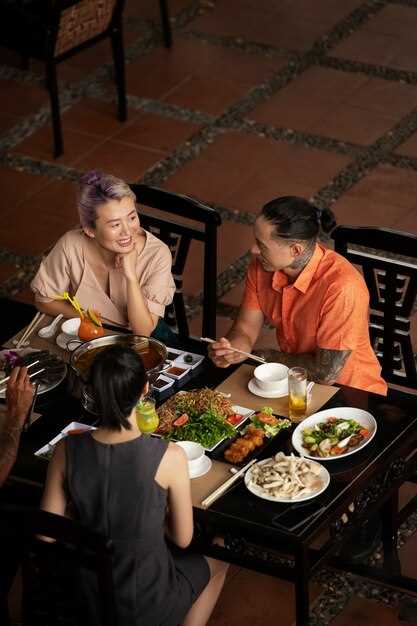
Singaporean cuisine is a vibrant tapestry that literally reflects the multicultural tapestry of the nation. Notably, the culinary landscape is shaped by various influences, including Malay, Chinese, Indian, and Peranakan (Nyonya) traditions, which will captivate anyone looking for a unique culinary journey.
One of the iconic dishes is Hokkien Mee, a stir-fried noodle dish that uses a rich and flavourful broth made from prawns and pork. The combination of sweet and tangy flavours is achieved through an artful balance, presenting layers of taste that are expected when dining in Singapore. The use of dark soy sauce gives it a slightly crisp texture, making each bite a delightful experience.
Another must-try is the traditional chicken rice, where rice is cooked in chicken broth and served with tender poached chicken, accompanied by chilli sauce and ginger paste. The dish showcases the skill of Singaporean cooking, emphasising the importance of balance in flavours, with a hint of sweetness that complements the savoury components.
During lunch hours, many locals enjoy ordering Rojak, a spicy fruit and vegetable salad. Its blend of textures and fiery taste encapsulates the essence of what makes this cuisine so appealing. The peanut sauce drizzled over adds a crunchy and nutty element, enhancing the overall experience.
For dessert, Sugee cake is a delightful option, showcasing the influence of the Melanaus with its rich and moist texture, usually made from ground almonds and layered with distinct flavours. The process of making Sugee involves both patience and creativity, resulting in a treat that embodies both tradition and modernity.
Another sweet delight is the classic Kueh Tutu, small rice flour cakes filled with shredded coconut and gula Melaka (palm sugar). These little bites are meticulously prepared and wrapped, providing a burst of sweetness that’s perfect for afternoon tea.
Throughout Singapore, coffee culture thrives, with Kopi being a symbol of everyday life. The local version is often sweetened with condensed milk, making it a comforting, slightly indulgent beverage enjoyed by many. Its popularity reveals not just a drink, but a shared ritual amongst Singaporeans.
In conclusion, Singaporean cuisine is a delicious representation of the country’s rich heritage, filled with diverse flavours and influences from across Asia and beyond. Each dish tells a story, adding layers of meaning to every meal served. From the bustling hawker centres to fine dining establishments, the culinary delights of Singapore offer something for everyone, making it a must-visit for food lovers.
Signature Dishes You Should Taste
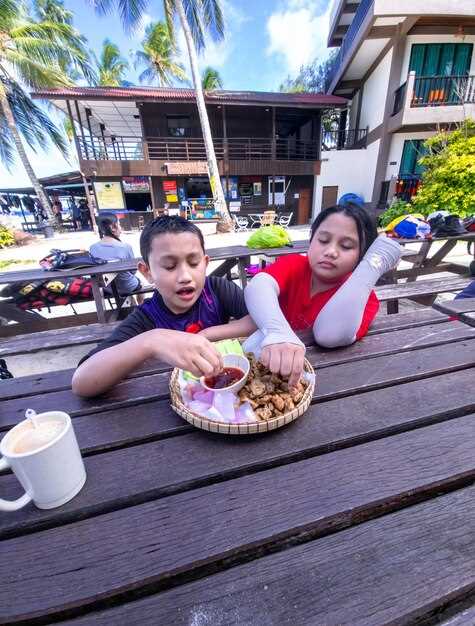
Malaysia and Singapore boast a rich culinary heritage that reflects their diverse cultures. Below are some signature dishes that are must-tries for anyone embarking on this gastronomical journey.
-
Nasi Lemak – Originally called “rich rice,” this dish is the heart and soul of Malaysian cuisine. It features fragrant rice cooked in coconut milk, served with sambal (a spicy chilli paste), fried crispy anchovies (ikan bilis), roasted peanuts, cucumber slices, and a hard-boiled egg. It’s a dish that represents unity and togetherness amongst Malaysian families.
-
Popiah – These fresh spring rolls are a popular street food item throughout both Malaysia and Singapore. Stuffed with a colourful mix of vegetables, sometimes accompanied by pork or prawns, popiah is a savoury delight. Customers often customise their rolls with a variety of sauces and additional ingredients, bringing a wide range of flavours to every bite.
-
Char Kway Teow – A beloved noodle dish, char kway teow features flat rice noodles stir-fried with prawns, Chinese sausage, eggs, and bean sprouts in a savoury sauce. The dish is often cooked over high heat, allowing for a slight char that adds depth to its flavour.
-
Dumplings – There are many variations of dumplings in the region, with Singaporean versions often incorporating unique spice blends. These can be filled with pork, chicken, or even vegetarian ingredients and are commonly accompanied by a range of dipping sauces, including vinegar and chilli sauce for that added zing.
-
Rendang – This Minangkabau dish, usually made with beef that is slow-cooked in coconut milk and rich spices, presents a strong flavour profile. The layers of spices contribute to a savoury, sweet, and slightly spicy experience that is rich and dense.
-
Indian-style Roti Prata – This flaky, layered flatbread can be found across both countries. Whether enjoyed with a savoury curry or sweetened with sugar and condensed milk, roti prata represents the harmonious fusion of Indian and Malay cuisines.
-
Hoon Kwetiao – Also known as flat rice noodles, this dish is often served in a rich broth with protein options such as chicken or seafood. Its comforting flavour will trace back to the cultural influence from China and is a favourite amongst many households.
-
Chendol – As a popular dessert, chendol is made with green rice flour jelly, served on shaved ice with coconut milk and palm sugar syrup. The combination of sweet, salty, and creamy elements comes together beautifully for a satisfying end to any meal.
These signature dishes encapsulate the essence of Malaysian and Singaporean cuisines. Each plate tells a story of cultural influences, history, and the prosperity that food brings to communities across Asia.