


 Українська
  English (UK)
  Русский
  বাংলা
বাংলা  العربية
  日本語
日本語  한국어
한국어  Magyar
  Norsk nynorsk
  Türkçe
  עִבְרִית
  Español
  Čeština
  Svenska
  Português
  Ελληνικά
  Suomi
Suomi  Nederlands
  Română
  Italiano
  Français
  Polski
  Deutsch
  简体中文
简体中文  Slovenčina
  Српски језик
  اردو
اردو  Azərbaycan dili
  O‘zbekcha
  አማርኛ
አማርኛ 
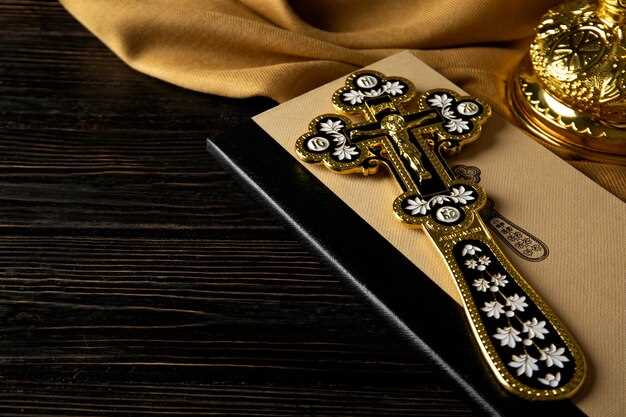
У "The Скарбниця, or the Imperial Treasury, offers a dazzling experience for anyone interested in the intricate history of royal jewellery and artifacts. With a collection that spans centuries, it highlights the importance of these items, both as symbols of power and as exquisite artworks. On specific days, visitors can admire an impressive array of treasures that would leave them in awe, reserved for those who are eligible to enter this grand institution.
Upon entry, a ticket is required to understand the full impact of the displays, which include not only stunning crowns and jewels but also invaluable historical items linked to the Austrian court. A visit here does not merely offer a chance to look at jewellery; it provides insight into the complex history of the Roman Empire and beyond. Each piece reflects a story waiting to be told, making this a significant place for both history enthusiasts and casual visitors alike.
Further enhancing the experience, guides are available to provide deeper understanding of the artifacts. They ensure that everyone, including those with disabilities, can appreciate the treasures on display. For students and citizens, special prices may apply, offering a valid opportunity to delve into a world of splendour. Expect a full experience that combines history and artistry, making your visit to the Hofburgkapelle a memorable one. Whether you wish to attend as part of a group or simply wish to explore on your own, the Schatzkammer promises to deliver an exceptional encounter with the past, with something special for everyone.
The Historical Significance of the Schatzkammer Crown Jewels
The Schatzkammer Crown Jewels, located in Vienna’s Hofburg Palace, represent a complex and rich history linked to the Habsburg dynasty. These jewels symbolize the power and continuity of the empresses and emperors who ruled over vast territories in Europe. An ideal example of this historical significance is the Imperial Crown of the Holy Roman Empire, which has been a central element of the Austrian treasury since the early days of the Habsburgs.
Within the dazzling collection, visitors can find ecclesiastical objects that reveal the deep connection between the church and the state during medieval times. These pieces often served as a means to secure divine favor and to legitimize authority, making them vital in understanding the socio-political landscape of the past. A note for those planning a tour is that these jewels are not merely decorative; they convey stories of power and devotion that have shaped Austria’s history.
The educational experience at the Schatzkammer is enhanced by various options available for visitors, including audioguides that provide in-depth information about each piece. This feature is particularly useful for young people and school groups looking to grasp the full significance of the treasures on display. Additionally, the website offers tips for those seeking to visit the treasury, including hours of operation and information on disabled access.
One of the most fascinating aspects of the Schatzkammer is its connection to significant historical events. For example, the splendour of the jewels often came to the forefront during coronation ceremonies and important state gatherings. The guides emphasize that every piece of jewellery has a story, making the tour an enriching experience, packed with historical insights and personal anecdotes from the past.
When exploring the Schatzkammer, it is striking to note the sheer size and variety of the collection. Items belonging to notable figures such as Empress Elisabeth and Empress Maria Theresa illustrate not only the individual tastes and styles of these powerful women but also the societal changes over centuries. These jewels are more than just ornaments; they embody the legacy of an era that valued opulence and artistry.
In closing, the Schatzkammer Crown Jewels are not only a showcase of glittering jewellery; they are a window into the rich tapestry of Austrian history. Each piece invites further exploration, offering insights into the lives of those who wore them and the times in which they existed. Engaging with this treasury allows visitors to walk away with an understanding of their significance, securing a place in both history and the hearts of those who admire this magnificent collection.
Origin and Development of the Crown Jewels
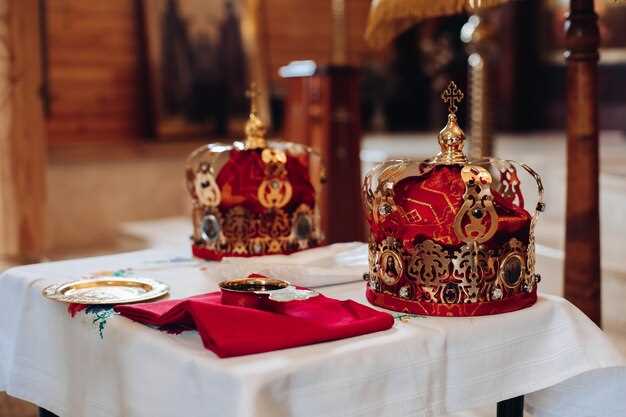
The origins of the Schatzkammer Crown Jewels can be traced back to the early medieval period, where their creation signified more than just wealth. These historic objects served as symbols of power and authority for the ruling elite, particularly in the context of ceremonial events. They have undergone significant transformations over time, reflecting the evolving artistry and craftsmanship of their respective eras.
The development of the crown jewels can be divided into several distinct phases. Initially, they were crafted from basic materials, gradually evolving into dazzling displays of precious metals and rare gemstones. By the time of Elisabeths reign, the crown jewels began to showcase intricate designs, featuring both local and foreign influences that would become a hallmark of their beauty. This blend of styles illustrates the dynamic culture and politics of the time, which were often at the charge of the ruling class.
| Time Period | Ключові особливості | Significant Changes |
|---|---|---|
| Early Medieval | Basic design, Limited materials | Introduction of gold and silver |
| Renaissance | Complex craftsmanship | Incorporation of rare gemstones |
| Baroque Era | Dazzling displays | Flamboyant ornamentation, Cultural exchange |
With each period, the jewels evolved beyond mere objects of luxury; they became essential elements of state identity and ceremonial life. The crown’s ceremonial aspects were emphasized, making them crucial for royal weddings and coronations. As a result, different forms of displays and their usage were meticulously designed, to ensure that the crowns not only dazzled but also narrated stories of lineage and legacy.
In recent times, the Schatzkammer has adapted to modern accessibility needs. Visitors, including those with disabilities, can easily navigate the exhibits with the help of guides. Audioguides provide detailed accounts beyond what is visible, enriching the experience for all. Groups and students can benefit from discounts when booking slots in advance, ensuring that everyone has the opportunity to appreciate this unique collection.
As you explore the intricacies of the crown jewels at the Kunstkammer, expect to be captivated by their history and craftsmanship. Each piece recounts a story, providing insight into the sociopolitical circumstances of the time. The highlights of the display are not just the jewels themselves, but the rich narratives belonging to them, making a visit to the Schatzkammer a must for anyone interested in the fascinating interplay between history and artistry.
Key Historical Events and Their Impact
The history of the Schatzkammer Crown Jewels is marked by significant events that shaped the Habsburg dynasty and their rule over Europe. During the late Middle Ages, the Habsburgs strategically expanded their influence through marriages with other royal houses, allowing them to acquire valuable treasures. This advantage not only contributed to their wealth but also resulted in the accumulation of exquisite crowns and regalia, which can still be seen today in various museums across the continent.
In the early 19th century, the Napoleonic Wars brought considerable turmoil to Europe, impacting the Habsburgs profoundly. As empires shifted and borders changed, many of the crown jewels were either sold or moved to ensure their safety. This period saw a combination of adaptations in the way the jewels were displayed, with some pieces being exhibited in locations that are now recognized as essential stops for history enthusiasts. These changes have left a lasting impression on how the Schatzkammer is perceived today.
Moreover, the establishment of the Austrian Republic in the post-World War I era marked another turning point in the fate of the crown jewels. As the monarchy was abolished, many of the crowns and other treasures faced an uncertain future. Yet, through the efforts of museums, these artifacts were preserved and displayed to the public. Today, visitors can purchase tickets to view these remarkable objects, and special discounts are available for groups and students, making them accessible to a wider audience.
Within the Hofburg Complex, the Schatzkammer houses numerous artifacts that tell the story of Habsburg emperors and their reign. Audio guides have been introduced to enhance the visitor experience, particularly for those with disabilities or who require adaptations for a full tour. These initiatives reflect a commitment to inclusivity, ensuring that everyone can appreciate the historical significance of the crowns and other treasures on display.
As we reflect on the past, key historical events continue to inform our understanding of the Schatzkammer Crown Jewels. While the collections have been subject to change over time, they remain a testament to the power and influence of the Habsburgs. Visitors today can look forward to exploring this fascinating subject, experiencing the grandeur that has defined European history and understanding how these remarkable jewels are part of the larger narrative of royal heritage.
Notable Monarchs Associated with the Treasures
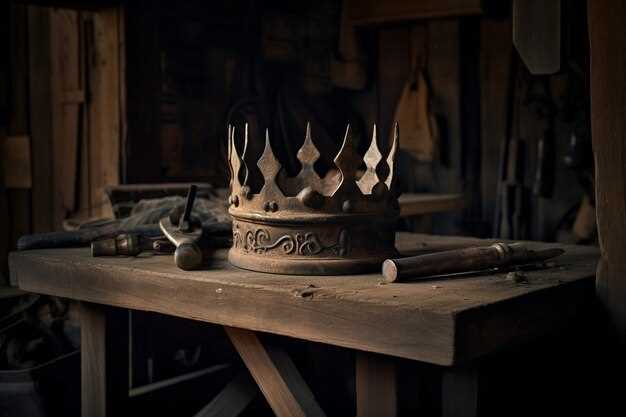
The Schatzkammer crowns are closely associated with several notable monarchs who played crucial roles in the history of the Habsburg dynasty. These treasures are not just mere artifacts; they represent the power and legacy of rulers like Empress Maria Theresa and Emperor Franz Joseph. Both of these monarchs contributed significantly to the institution of the Habsburg family and its prominence in European history.
Maria Theresa, one of the most influential female monarchs, saw the need to modify state functions to accommodate the changing political landscape of her time. Under her reign, the treasury was expanded to reflect the wealth of the empire, showcasing various artifacts that included not only jewels but also rare objects of art from the kunstkammer. This was a pivotal time when the display of treasures became symbolic of power during public events.
Emperor Franz Joseph, who ruled for over six decades, continued to promote the significance of the treasury. He ensured that treasures related to the Habsburg lineage were well-maintained and made available to the public. His efforts included facilitating daily visits to the Hofburg, allowing citizens and guests alike to marvel at the stunning artifacts that adorned the institutions of power.
The Habsburg treasures included items designed to be both functional and decorative. For instance, during special events, the crowns and other regalia were displayed prominently to emphasize the monarchy’s standing. Such historical objects were not just ceremonial but represented the dynasty’s grandeur and authority for centuries.
Over the years, adaptations have been made to provide access for all, ensuring that even disabled individuals can enjoy the display of these masterpieces. Wheelchair ramps and audio guides have been introduced in various museums, including the Hofburg, making the treasury accessible to student groups and guests who might otherwise struggle due to physical limitations.
Changes in the political landscape necessitated concessions in how these treasures were showcased. The focus shifted over time from purely secular representations to more inclusive interpretations, accommodating a wider range of historical and cultural perspectives. This evolution reflects the dynamic nature of both the treasures and the institutions they are a part of.
Today, students and history enthusiasts alike flock to the treasury to learn about the fascinating stories behind each item. Museums frequently host special displays and events that allow visitors to explore the rich narratives surrounding the Habsburg monarchy. This ongoing engagement keeps the legacy of notable monarchs like Maria Theresa and Franz Joseph alive, making their contributions to history accessible to future generations.