


 Українська
  English (UK)
  Русский
  বাংলা
বাংলা  العربية
  日本語
日本語  한국어
한국어  Magyar
  Norsk nynorsk
  Türkçe
  עִבְרִית
  Español
  Čeština
  Svenska
  Português
  Ελληνικά
  Suomi
Suomi  Nederlands
  Română
  Italiano
  Français
  Polski
  Deutsch
  简体中文
简体中文  Slovenčina
  Српски језик
  اردو
اردو  Azərbaycan dili
  O‘zbekcha
  አማርኛ
አማርኛ 
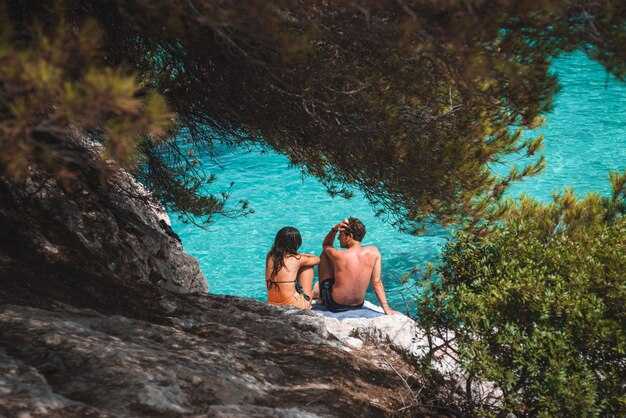
Begin with the Whitsunday Islands for your dream getaway: book a 3-day sailing tour that snorkels near Heart Reef and sails along a coastline of turquoise water, ending each day with a sunset glow that looks like a rainbow over the sea. The archipelago becomes a magnet for divers and families alike. We recommend checking several websites that compare operators, inclusions, and safety records; there, you’ll find options that fit any pace and budget, and you can reserve a cabin even if you travel alone or with kids. Do this despite occasional weather shifts, because the rewards are immediate. Seasonal whales pass the coast during migration season, offering chances to spot spouts from the deck.
Next, carve Fraser Island into your itinerary, a vast sand island offering wind-sculpted dunes, freshwater lakes, and reed-lined creeks. A guided 4x4 tour reveals Lake McKenzie’s crystal water, Eli Creek’s chill currents, and the Maheno wreck along a beach where the sand meets the sea in striking contrast. If you prefer the fewest crowds, visit in shoulder seasons and join a small-group tour from Hervey Bay; you’ll still get the scenery without long queues.
Then hop a aeroplane to Lord Howe Island, where restrictions keep crowds to a minimum and the landscape feels untouched. The coastline is gorgeous, with dramatic sea cliffs and the UNESCO-listed Ball's Pyramid nearby. The water around Ned's Beach glows blue, and kayak trips offer up-close views of coral and reef fish. Plan for a tropical shoulder-season window – March to May or September to November – when weather is reliable and you'll find better availability for tours and dining. Reserve in advance; there are limits on daily visitors to preserve the island’s character despite high demand. While you might think paradise is crowded, Howe Island keeps numbers in check.
Rottnest Island, a beautiful escape near Perth, offers bike-friendly trails, sheltered coves, and crystal water. Meet the friendly quokkas and ride to The Basin, Cape Lesueur, or Salmon Bay on a rented bike. It acts as a magnet for city getaways, with ferries from Fremantle and Perth and a few guided tours that cover the island’s best swimming spots. The light at golden hour makes the water look like glass, something you’ll want to capture and share.
Kangaroo Island finishes the circuit with rugged coastline, sea caves, and thriving wildlife. A two-to-three-day plan brings you to Remarkable Rocks, Admirals Arch, and Hanson Bay, plus a seal colony at Seal Bay. Join a guided tour to see penguins at night, then sample local seafood and wines. The island’s water and land combine to create something truly unique, and its least-crowded stretches feel like a private reserve–proof that a true break can feel both beautiful and restorative.
Australia's Most Beautiful Islands: The Ultimate Guide to Dream Getaways; Long Island
Book a three-day stay with a local operator on Long Island to kick off your discovery with a sunrise cruise along painted cliffs and calm coves.
Despite its small size, the island is surrounded by reefs and clear water, with springs of fresh water feeding sheltered coves. Pack a picnic to enjoy on a sheltered beach and taste fresh seafood sourced from nearby shores, all while listening to the rhythm of the coast of Tasmania.
Location and access keep things relaxed: a short train ride to a port, followed by a boat transfer from mainland Tasmania towns, brings you to quiet coves where islander families welcome guests and share stories about this real place.
These experiences build insight into local life. You’ll meet a tight community of guides, fishers, and crafters who run gentle adventures that suit all speeds and ages, from easy shore walks to coastal ground exploration with lots of animal life along the shore.
For the day ahead, choose a sunrise or sunset cruise to see painted skies over the reefs, then linger on the shore for a beachside picnic and a taste of fresh seafood. The bucket of options includes fishing, short hikes, and slow cruises that respect the coast and the local way of life.
When planning, pick a flexible itinerary that keeps the pace comfortable: a few hours on the ground, a couple of outings by boat, and time to absorb the Tasmania mood especially in the small towns around the island’s edge. Long Island rewards patience with real flavours, quiet mornings, and a sense of discovery that stays with you long after you return home.
Long Island, Australia: A Practical Guide for Island Getaways
Book a two-night stay and begin with a dawn coastal walk on the north shore, then hire a kayak for a sunset tour along the creek that threads the sheltered bays.
Choose accommodation in less-visited settlements to avoid crowds; towns along the north sea views. stunning horizons. If you want quiet, pick a lodge near the dunes and the surrounding scrub, far from littered areas.
To discover the island without crowds, follow routes through less-visited coves, then Indulge bit o' fresh seafood at a coastal shack. Look for a lizard basking on sun-warmed rocks and seek a safari-style stroll along the dunes at low tide. Robert, a local guide, can show you a corner viewpoint and share what to add to your list for later.
Getting there is straightforward: ferries from the mainland bring you to the coastal pier, from which a loop road leads to the central coast. Popular activities include snorkelling along reef fringes; least crowded options lie around surrounding dunes and creeks. For inspiration, travellers compare Long Island’s vibe with Malapascua, Naoshima, and Quoc, helping you blend nature, art and community in your itinerary. Later, schedule a slow shoreline stroll, a creek-side picnic, and conversations with hosts about conservation.
Pack light layers, reef-safe sunscreen, a reusable bag, and a small field guide; read the local tips and add a final list of places to revisit during your last morning. If you’re looking for quiet corners, start with the northern beaches, then loop to the southern shore as tides allow.
Getting There and Around Long Island: Transport Options

Hire a private charter for the quickest and most flexible arrival to Long Island. From the mainland, you can reach the archipelago by private boat, guided operator services, or scheduled ferries. If you want a tailor-made day, you can connect to a full-day itinerary with Robert, owner of a private operator, who supplies a comfortable craft and a friendly crew.
Long Island sits within a coastal archipelago, and access centres on the mainland jetty. Private transfers offer the most control over timing; ferries provide a budget option; and seaplanes cut travel time dramatically when weather allows. Turn your travel into a scenic prelude by watching the river mouth as you approach.
For inland arrivals, Kalgoorlie travellers can fly to the national hub first, then link to a private transfer to the pier. If you haven’t booked ahead, you may face limited slots, so plan early. In addition, guided itineraries with a local operator let you tailor a route that includes a park visit and a stop at a rural winery, with wines supplied by nearby estates. You can combine this with a private boat at the archipelago.
| Transport option | How it works | Typical cost (dollars) | Нотатки |
|---|---|---|---|
| Private charter boat | From mainland pier to Long Island archipelago; private, guided crew; flexible schedule | 350–900 | Available daily; Robert, owner of a private operator, provides full-day options; great for families or private groups. |
| Public ferry | Scheduled service from mainland jetty to the island's main port | £20–£40 per person | Budget-friendly; check operator times; weather-dependent |
| Seaplane / helicopter | Direct air link over the archipelago with landings at a park airstrip | £200–£350 per person | Fastest crossing; weather dependent; ideal for a private, high-impact visit |
| Private road transfer + boat link | Drive to a coastal park car park, then private transfer to a pier to catch a boat | £50–£150 (transfer) + boat cost | Flexible for rural itineraries; coordinated by local operator |
Anson Bay and nearby rural communities offer a scenic add-on after your island time; many visitors pair a private boat day with a wine tasting, and wines from local estates can be supplied for a private lunch. If you’re coming from Kalgoorlie, you can combine a domestic flight with a private transfer to the pier for a smooth day. Without a plan, you miss the best times to observe wildlife and to walk the coastal park, so be sure to book early with a guided operator.
Where to Stay on Long Island: Accommodation by Location and Budget
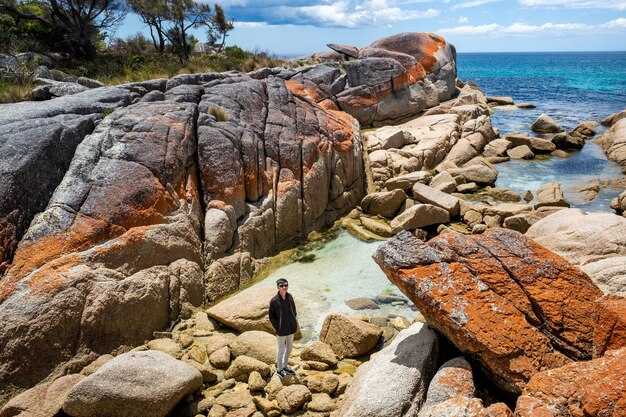
Book a beachfront studio on the eastern reach of Long Island for instant access to sunrise over the Atlantic; you'll wake to crystal water and step onto sand within minutes.
East Long Island stays centred around Cairns-adjacent options: a small boutique inn used by locals in peak season, a family-run guesthouse surrounded by mangroves, and a cluster of villas with kitchenettes. Available year-round, these choices are ideal for travellers who want less transit and more time by the water.
Budget guidance by location: Under £80 per night, shared dorms or simple cottages; £80–£130 for a private studio with ocean view; £130–£230 for a one-bedroom villa with deck; over £230 for a luxury suite with pool and chef-ready amenities. These ranges apply over two-night stays and reflect current market conditions for Long Island’s lodging.
Western options offer more space and privacy; choose a hillside cabin near uninhabited coves that are still reachable by short walks. For a taste of local life, try a Wilson family property on the Gorda coast, often a favourite with guests who value delicious seafood and seal sightings. Andrew, a promoter in the regional scene, runs hopping day ventures that depart near the pier and return you to your base in time for sunset. Experience the island like a local, from your own deck, and turn a stay into a memorable escape.
For broader adventures, you can add a day trip to the Torres region from Cairns, turning a Long Island stay into a richer experience. You'll return to a delicious dinner and a comfy bed, with options available for every budget. From the first morning, you can hop between coves, turn towards new ventures, and create your own favourite memories on the Pacific coastline.
Top Beaches and Scenic Spots on Long Island You Must Visit
Visit Coral Cove Beach first for a pristine, family-friendly morning, then loop to Gull Point and Sunset Bluff for scenic payoff–four spots to balance sun, water, and view.
-
Coral Cove Beach – private trail leads to a four-acre stretch of pristine white sand. The water is clear and shallow where you can snorkel along underwater ledges, and the adjacent lake-fed inlet keeps the shore calmer on windy days. Renting kayaks at the kiosk is easy, and the surrounding marsh attracts herons and other animal life. Arrive early to snag a shady picnic table; this spot sits at the mouth of a gentle inlet for families and first-time swimmers. There are four features to note here: easy access, calm water, reliable mornings, and sunset light that can glow salmon-coloured over the horizon. This coast calls you to discover a quieter side of Long Island.
-
Gull Point Reserve Beach – a windswept, pristine strip hugging a protected mangrove edge. The main feature is a series of tide pools perfect for exploring with kids, where you can spot sea anemones and small fish (animal life). The area sits behind a dune ridge and offers an untouched feel with wide, open skies. Parking is limited, so consider arriving before 8:00 a.m. If you’re hiring gear, a short walk leads to a shallow cove ideal for beginner snorkelers; the surrounding scenery invites a slow stroll to the cliff overlook at sunset. A small stall at the trailhead offers a Malaysia-inspired snack break, including Malaysia-flavoured bites and a quick taste of local wines.
-
Sunset Bluff Bay – elevated cliffs offer a dramatic view as the sun sinks. Access is easy via a winding path that leads to a sheltered cove where the water often shifts to blue-green tones. This spot suits private picnics and relaxed savouring of local bites from nearby cafés. The nearby golf course adds an after-beach option for a short round, making it easy to combine sport with scenery. Expect a salmon-pink glow across the water and a gentle breeze that keeps crowds light. Imagine ending your day here with a call to unwind and reflect on the virtue of time spent outdoors.
-
Portside Beach – a long, sheltered harbour-front stretch with easy fishing access and a few private coves. It’s ideal for renting a pedalo or trying a starter fishing line; water remains shallow near the pier, great for families. On weekends, a rotating sample of coastal bites and wines arrives from nearby stalls, making it simple to pair a snack with a view. Arrive early to beat the crowds and snag a spot near the water where boats drift by. The surrounding activity adds a lively yet relaxed vibe that pairs well with an evening stroll.
-
Old Lighthouse Lookout – a short climb brings you to a granite platform with a panoramic view over the coast. The surrounding sea hues shift with the tides, offering a natural stage for photos. Imagine the horizon stretching endlessly, with ships silhouetted on the far edge and gulls tracing circles above. This spot pairs nicely with a quick stroll down to a private path along the cliff edge for a quieter moment.
-
Seagrass Cove Boardwalk – a flat, accessible boardwalk winds through shallow seagrass and a lake-fed inlet. The path is ideal for a gentle walk, birdwatching, and a closer look at underwater life. You'll spot a few small animal species along the rails, and the boardwalk ends at a sheltered bench where you can savour a snack and reflect on the virtue of untouched nature.
-
Lakeview Point – a lookout above a tidal lake where saltwater and freshwater mix. Calm days yield mirror-like reflections, making it a favourite for photographers. If you arrive before 9:00 a.m., you can watch fishing boats return and grab a quick coffee from a nearby cafe as the sun climbs.
-
Harbour Vista Trail – an inland-to-sea path beside the golf greens and marina. The trail offers several viewpoints where you can imagine a quiet afternoon on the water. It's a great place to discover local wildlife, including small crabs and shorebirds, and to pause at a private bench with a view of the boats and the surrounding activity.
Water Activities on Long Island: Snorkelling, Diving, and Boat Trips
Book a dawn snorkelling session aboard a small boat to reach untouched reefs located near the coast, where visibility is clearest and the feeling of freedom starts the day. You’ll glide over tiny schools of fish, watching the surface glow as the water warms. Bring a dry bag for your accommodation If you stay on site, and plan an після обіду extension to explore the nearby rainforest trails after the session.
Guides called Capella and Soderlund lead safety-first briefings and tailor the route to your pace. They'll point you towards smaller coves where the reef gardens teem with life, with reefs located just offshore. They’ll supply snorkelling equipment and reef-safe products. If you’re new to this, they’ll be keeping your confidence high and your heart racing in equal measure.
For a fuller day, hopping between tiny islets with a sheltered snorkelling stop along the way is ideal. You'll spot a lizard sunbathing on a rock and watch seabirds call overhead. The після обіду timetable often blends two short sessions, and you won't miss a moment if you book both in one plan. Boats depart from the harbour; afterwards you can stroll through nearby markets or the smaller gardens before heading out again. You might even dip your bare feet in the sand before the next hop.
Seasonal events include whale watching from the same boat, with afternoons offering calm seas and a chance to see tiny whales close to the surface. If you want a deeper look without heavy gear, Capella and Soderlund arrange sheltered snorkelling along submerged ledges to admire coral formations and even watch schools of fish glide like ribbons.
To plan efficiently, ring ahead with your dates and pace. If you think this could be a lot, start with a half-day option. The operator offers options across several worlds of underwater life, from near-bottom ledges to open-water shelves; this lets you tailor a plan to your mood. Choose accommodation with easy access to the marina so you can keep hopping between activities and avoid long transfers, and consider a late-afternoon return if you want to capture a quiet rainbow in the spray. Think about keeping a flexible schedule to catch calmer seas and better light on afternoon extended outings.
Safety, Packing and Seasonal Tips for Long Island Adventures
Pack a compact, waterproof daypack and a dry change of clothes before you set out. For longer trips, add a lightweight emergency blanket and a map or offline app to cover miles of coast and hidden coves on island routes.
Safety and awareness
- Check tide, swell, and wind forecasts for the bay you'll explore, planning routes that stay along sheltered coves and avoid exposed ledges.
- Carry a whistle, a compact torch, a fully charged phone with offline maps, and a small first-aid kit; include personal medications and allergy supplies.
- Wear a life jacket on boats or when the water is rough; carry a safety line on remote sections of track and never rely on cushions alone in rough seas.
- Respect wildlife: never feed animal populations, keep a safe distance from rare birds, and avoid disturbing nests along the sands; they're easy to overlook but sensitive.
- Never leave valuables unattended on beaches or near access points; use a dry bag for electronics and a secure pocket for keys.
- Tell someone your plan and expected return time, especially if you'll be on isolated paths or offshore bays near K'gari or other isles.
- These tips apply anywhere you go, from Norfolk to Croatia or Redang; they're universal and practical for beach and trail days.
Packing checklist
- Hydration: bring at least 2 litres per person for a half-day; 3–4 litres for a full day, plus an electrolytic drink powder for hot days.
- Food: delicious, non-perishable snacks and a compact meal; include high-energy options for long walks along sands and coves.
- Clothing: quick-dry layers, a neck gaiter for sun and sand, a broad-brimmed hat, a light rain shell, and a warmer layer for evenings.
- Gear: map or offline app, compass, sun cream, insect repellent, sunglasses, spare batteries, power bank, towel, and a compact tarpaulin for shade or emergency shelter.
- Fishing gear (if legal): bring a local licence if required, pliers, and a small rig bag; practise catch-and-release where allowed.
- Special island items: a small portable hammock, a dry bag for electronics, and a lightweight rope for securing gear or creating a windbreak; bailiff-approved packs help balance weight.
- Documentation: permit or parking pass, ID, emergency contacts; keep digital and printed backups; if you’re on K'gari or other islands, carry printed maps too.
- Product note: choose compact, luxury gear where possible to maximise comfort on long trips without adding bulk.
Seasonal tips
- Summer (December–February): start early to beat the heat, wear breathable fabrics, and drink regularly; plan to savour delicious local seafood at shaded spots; protect your neck with sun cream and a hat. If winds rise, move to a sheltered cove and avoid exposed reefs; a huge coastline offers many options but monitor tides at dawn and dusk.
- Autumn (March–May): expect cooler days with variable sun and possible showers; pack a light rain layer, a warm mid-layer, and backup food supplies if ferries run late.
- Winter (June–August): pack thermal layers, a windproof shell, and a compact blanket; check ferry timetables and have a backup plan for shelter in case of heavy rain; keep electronics dry.
- Spring (September–November): mild days with improving sea conditions; bring sun protection, lightweight layers, and plan a route that avoids crowded beaches; the island’s flora invites longer walks along sands and hidden coves.