


 Українська
  English (UK)
  Русский
  বাংলা
বাংলা  العربية
  日本語
日本語  한국어
한국어  Magyar
  Norsk nynorsk
  Türkçe
  עִבְרִית
  Español
  Čeština
  Svenska
  Português
  Ελληνικά
  Suomi
Suomi  Nederlands
  Română
  Italiano
  Français
  Polski
  Deutsch
  简体中文
简体中文  Slovenčina
  Српски језик
  اردو
اردو  Azərbaycan dili
  O‘zbekcha
  አማርኛ
አማርኛ  8 Things You Should Know About Prosecco – A Quick Guide to Sparkling Wine">
Choose Brut Prosecco for most occasions and serve it well chilled to lock in its acidity. This choice gives you a clean, expressive profile that pairs with many dishes and won’t overwhelm delicate flavours, likely to please a crowd and remain a versatile starting point for a quick guide to sparkling wine.
In the north of Italy, Prosecco comes mainly from Veneto with some production in Friuli; producers in these worlds craft many styles, from light, zippy sparklers to richer, aromatic bottles. If you're asking what's behind the bubbles, this quick reference helps you read the label for style, sweetness and production method, helping you pick what fits the moment.
Most Prosecco uses the Charmat method (tank fermentation), not the champenoise process, which helps maintain bright acidity and fresh fruit aromas. This choice explains why Prosecco often shows a crisp finish, with notes of green apple, pear, and citrus as a trademark of the style.
Across many producers, Prosecco has been shaped for a century by local traditions and evolving DOC rules that define who can label a bottle as Prosecco. The result is a wine that remains approachable, with reliable acidity and a clean mouthfeel that suits both casual toasts and more deliberate tastings.
What to look for on the label depends on your mood: Cartizze marks a richer, more aromatic thing with higher concentration, while other typical lines balance fruit with fresh acidity. If you prefer a lighter, buoyant sip, choose a bottle from a subzone or a house known for crisp, citrus-driven character, and note the indicated sweetness level to match your menu.
Pair Prosecco with antipasti, seafood, soft cheeses, or light appetizers to highlight its acidity and fruitiness. Chill to 6–8°C and pour into a flute or tulip glass to keep bubbles longer and aromas clearer. In tasting, note the straightforward impression, the expressiveness of fruit, and the clean finish that makes it a reliable reference for sparkling wines.
Keep in mind that not all Prosecco is sparkling: you might find frizzante (semi-sparkling) or tranquillo (still) styles from certain producers, although the usual bottle on shelves is spumante. Knowing these terms helps you pick the right style for the occasion.
Practical quick guide for buying, serving, and savouring Prosecco

Start with a decent Brut Prosecco from a known producer and drink it within 12 months of release. Look for DOC or DOCG labelling and a tank-fermentation production note for a clean, bright profile. The base is usually Glera, with verdiso or perera appearing in some asolo blends; expect pear notes and a pale straw hue. In country markets, a blue label often signals accessible, everyday quality.
When choosing a style, know that Brut is usually crisper than Extra Dry and Dry, whilst Extra Dry and Dry lean towards fruitier sweetness. For an aperitif or dining with seafood, Brut remains the most versatile; frizzante is available but less common in mainstream shops. Production follows the Charmat tank-fermentation method, keeping bubbles lively and flavours clean. The concept of Prosecco differs from Champagne in method and emphasis.
Serving basics: chill to 6-8°C, pour into a tulip or white-wine glass to capture aroma while preserving bubbles. Open gently: foil, cage, 45-degree tilt, slow cork release, and a tea towel to control foam. Pour 25–50 ml per person, then rotate the glass to awaken the notes. Once opened, reseal if needed and keep in the fridge for up to 1–2 days.
Pairing suggestions for dining: oysters, shellfish, prawn risotto, light cheeses, and citrusy salads with grilled fish. The pear and citrus notes pair well with seafood; Asolo-based bottles and Verdiso-rich blends can elevate dishes. Given Prosecco’s bright acidity, it cleans the palate between bites, whether you dine solo or with a group.
Production specifics and storage tips: many bottles are created from Glera with regional nuances; hand-picked grapes and a century of refinement have shaped the Charmat tank-fermentation approach. When selecting value, look for a clearly labelled vintage; Asolo and other Verdiso- or Perera-containing blends offer different profiles. Store upright in a cool, dark place and, once opened, re-cork and refrigerate, aiming to finish within 1–2 days. A blue label can indicate a straightforward, versatile style, and local markets often carry these options.
What Prosecco is and how it’s produced (Glera, Charmat method, bubbles)
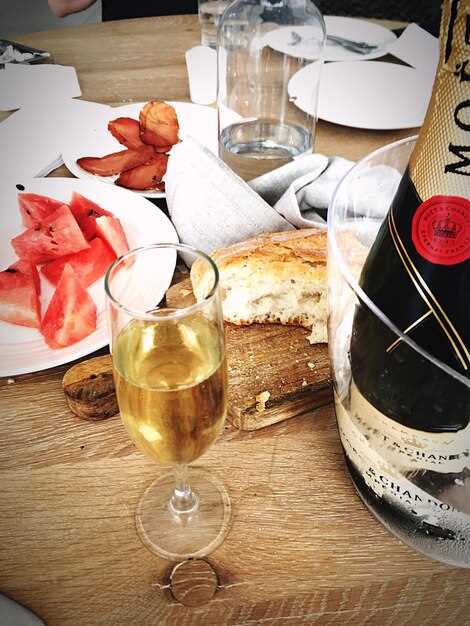
Choose a Prosecco labelled superiore from Valdobbiadene or Asolo to enjoy a refined, creamy texture and bright bubbles.
Prosecco is a sparkling Italian wine made primarily from glera, and it is produced with the charmat method to keep the flavour light and the bubbles lively.
The charmat method uses closed tanks and an injection of CO₂ to capture aroma quickly, producing consistent bubbles while avoiding a flat finish.
In the Valdobbiadene and Asolo vineyards, limestone soils and hillside terroir shape the aroma and texture; the Marca region boasts Proseccos known for a vibrant flavour and a creamy finish.
Sommelier tips: for dining, choose a prosecco with a drier profile (Brut) if the menu features salty or fatty dishes; proseccos with superiore or marca labels often offer more structure and longer aroma. Given the range, sommelier guidance helps you choose.
Behind every bottle lies a careful balance of acidity and carbonation; the same basic process runs across countries, yet Valdobbiadene and Asolo deliver distinct nuances you can taste when you compare side by side.
Finding the right prosecco means tasting for aroma and perlage; you're looking for enough balance to pair with dining moments, with a sommelier guiding you towards glera-based bottles from Italian producers known for Valdobbiadene and Asolo traditions.
Sweetness on the label: Brut vs Extra Dry vs Dry and how it affects flavour
Pick Brut for the broadest pairing flexibility and the crispest acidity; it stays lively with everything from oysters to light poultry. Brut wines typically carry 0–12 g/L residual sugar, Extra Dry 12–17 g/L, and Dry 17–32 g/L, forming a five-style spectrum you’ll see named Brut Nature, Brut, Extra Brut, Extra Dry, and Dry.
Flavour shifts follow that sweetness difference. The extra sugar in Extra Dry and Dry smooths acidity, yielding a rounder, creamier mouthfeel and fruit-driven notes like apple, peach, and pear. Brut preserves a cleaner, sharper profile with mineral lift and citrus zest. Though some tasters notice an elderflower bouquet more clearly in Brut, the pronounced perfume can feel like an injection of aroma into the glass. In tastings comparing wines from Veneto's Denomination and Verdiso-rich blends, the contrast is clear.
Label reading is your guide. If you want the most balanced option for a wide range of dishes, choose Brut; for a touch more fruit and a gentler finish, Extra Dry; for sweeter fruit-forward pairings, Dry works best. Winemaking in the Prosecco region often uses a tank method with a pressurised Finish, keeping the wine controlled and ready to drink straight from the пляшка. In some examples from the Prosecco hills that earned UNESCO recognition, you’ll notice how the style name aligns with the expected mouthfeel and aroma profile – a helpful cue for люди consumed by these wines daily.
Storage and serving tips help you maximise flavour. Keep bottles blue or clear in a cool place, chill to about 6–8°C, and pour into a wide glass that lets the bouquet unfold. If you’re wondering which bottle to grab, consider п'ять quick checks: label style (Brut, Extra Dry, or Dry), RS range, region (Veneto or a denoted DOC/DOCG), producer notes (some named Perera or others with notable micro-terroir), and how the wine was produced (tank vs bottle-fermented). This approach makes choosing досить confidence to enjoy their great flavours, whether you're sharing with люди at a casual get-together or a formal tasting.
DOC vs DOCG and the key regions you'll encounter on Prosecco labels
Choose Conegliano Valdobbiadene Prosecco Superiore DOCG or Asolo Prosecco Superiore DOCG for the best expression; these grand regions known for nuanced aromatics and a longer finish reward careful making and attentive vines. In these wines, the bottom notes stay bright, and enough complexity remains to please spritz lovers and solo sippers alike. For everyday drinking, Prosecco DOC offers good value, but read the full label to know the origin and the production method.
DOCG vs DOC at a glance
- DOCG wines carry tighter controls, a formal seal on the label, and often lower yields. Look for the full designation like “Conegliano Valdobbiadene Prosecco Superiore DOCG” or “Asolo Prosecco Superiore DOCG” to know you're getting the highest tier. These wines typically preserve aromatics a bit longer and present a refined finish.
- DOC wines appear as “Prosecco DOC” with a zone or province on the label (Treviso or outside Veneto in some cases). They’re reliable, approachable, and great for larger gatherings or spritzes, though they may not carry the same intensity as DOCG.
Key regions you'll encounter on Prosecco labels
- Valdobbiadene Prosecco Superiore DOCG – the core area for refined aromatics; Cartizze marks the top tier from a small hillside zone. On many bottles you’ll see the name Valdobbiadene highlighted to signal provenance.
- Conegliano Valdobbiadene Prosecco Superiore DOCG – a combined belt that emphasises balance, precision, and a bright, direct palate.
- Asolo Prosecco Superiore DOCG – a distinct Veneto subregion known for more delicate fruit, aromatic spice, and a slightly different texture from Valdobbiadene.
- Prosecco DOC – the broad umbrella that covers parts of Veneto and, outside Veneto, you’ll encounter Friuli-Venezia on some bottles as an origin note; this label signals a broader, more accessible style and can be a good value option.
How to read for quality and style
- Look for the method: most Prosecco uses the Metodo Charmat and is labelled “in tanks.” This approach preserves fresh aromatics and makes the wine ideal for spritzes.
- Spot subzones: “Cartizze” and “Rive” indicate a more nuanced expression from a single hillside area, and often a higher price.
- Be aware of “Tranquillo” on a label; it means still wine, which is rare for Prosecco, and won't deliver the usual spritz profile.
- Vintage notes do exist but are uncommon; many Prosecco bottles are non-vintage, ensuring consistency across releases.
- Pour into a tulip glass to preserve aromatics and tastes; this helps you enjoy the nuanced aromatics longer and keeps the spritz lively.
- Outside Veneto, Friuli-Venezia labels appear on some bottles, signalling origin beyond the classic belt and offering a different profile while still delivering the same celebratory feel that wines labelled Prosecco provide.
Buying tips: price ranges, vintages, and regional styles
Рекомендація: Opt for a Conegliano Valdobbiadene Prosecco Superiore DOCG for finesse, or a sound Prosecco DOC Brut from a reliable producer for easy, everyday value. Regulations at the DOCG level set higher quality expectations, and winemaking in these zones emphasises clean acidity and a refined mousse. Most Prosecco is made using the Charmat tank method, which preserves bright sparkling fruit and keeps the price reasonable.
Price ranges help you plan, and yields in hillside zones influence cost. Expect $12–$15 for a dependable NV Prosecco DOC Brut, $15–$25 for a stronger mid-range bottle, $25–$40 for a Prosecco Superiore DOCG from Conegliano Valdobbiadene or the Asolo subzones, and $40+ for single-vineyard releases or vintaged bottles. For restaurants, buying by the case can lower the per-bottle price and ensure steady availability. Look for notes on the grapes, and avoid overhyped claims that inflate value. Good bottles yield almond and citrus rather than flat fizz, and they’re very reliable for a spritz or a simple toast.
Vintages: Most Prosecco remains non-vintage to preserve consistent flavour, but some estates publish millésime bottles labelled with a year. These vintages can be tricky, delivering more depth but shorter drinking windows. If you want a spritz-friendly option, start with NV Brut; if you chase complexity, try a vintage-dated Prosecco from a reputable house such as Perera, and consume within one to two years for best balance of acidity and residual sugar. Therefore, plan your purchase around the menu or occasion and note that vintaged bottles can broaden the scope beyond the everyday.
Regional styles matter. Conegliano Valdobbiadene Superiore DOCG wines tend to be elegant and lively, with floral lift and a touch of almond. Asolo Prosecco Superiore DOCG brings crisper acidity and bright mineral notes; Prosecco DOC from broader Veneto zones stays very approachable and ideal for a spritz at restaurants or at home. Italian producers in the Asolo region often emphasise terroir; some Perera-branded bottles show how vineyard choice shapes acidity and texture. For serving, use a tulip glass to concentrate aroma and keep the bubbles lively, especially when pairing with light antipasti from restaurants or at home.
Buying tips for value and planning: start with a reliable NV Brut from a recognised producer for easy, everyday drinking, then add a vintage-dated Prosecco or a single-vineyard DOCG bottle for a special moment. Look for clear origin on the label, check the
Serving and tasting: temperature, glassware, and simple pairings
Serve Prosecco at 6-8°C (43-46°F). Chill the bottle for 3-4 hours in the fridge or use an ice bucket (ice and water in a 3:1 ratio) for 20-30 minutes, then wipe the neck before pouring.
Glassware matters: choose a tulip or white-wine glass for best aroma and flavour capture; a traditional flute keeps bubbles longer but narrows the aroma path, which can dull fruit notes at the rim. Pour to fill about one third to leave space for aromas.
Pairings for straightforward dining: serve with light starters such as olives, almonds and burrata with tomatoes; seafood like prawns or calamari; prosciutto-wrapped melon; and simple desserts such as fresh berries or a lemon tart. These matches keep the fruit and acidity lively without overpowering the wine. Some common lies about sparkling wine say it only pairs with desserts; Rebecca notes that it also pairs beautifully with salty bites and citrusy notes.
Tasting technique in brief: observe the stream of bubbles, noting how quickly they rise from the bottom of the glass; swirl once to release aromas, inhale for notes of green apple, pear, citrus zest, and faint white flower; take a small sip, let the wine coat the palate, and assess the finish (short to medium, depending on style).
Origins and ageing: Prosecco relies on the Glera grape from Veneto and adjoining regions like Friuli-Venezia Giulia; many producers in Gorizia have introduced bright, fresh profiles. Most bottles are fresh rather than aged; the pressure is typically maintained in tanks (Charmat method), and ageing is brief to preserve crisp flavour. Some prestigious labelled wines carry longer ageing, which raises price. The originally derived flavours stay bright, with fruit and zest notes.
Storage and price recognition: keep unopened bottles in a cool, dark place; once opened, reseal and refrigerate to preserve bubbles for a day or two. In overseas markets you’ll find a wide price range; a typical bottle starts around £8-12, with prestige labels climbing higher. Look for DOC or DOCG recognition as a sign of quality.
| Аспект | Рекомендація | Why |
|---|---|---|
| Temperature | 6-8°C | Maintains freshness and bubbles |
| Glassware | Tulip or white-wine glass | Maximises aroma and balance of flavour |
| Pairings | Fresh fruit, olives, burrata, seafood, light desserts | Maintains a balance with acidity without being too much. |
| Taste characteristics | Green apple, pear, citrus notes | Reflects typical varietal profile |
| Methods | Charmat in tanks; brief ageing | Maintains crisp, fresh style |