


 Українська
  English (UK)
  Русский
  বাংলা
বাংলা  العربية
  日本語
日本語  한국어
한국어  Magyar
  Norsk nynorsk
  Türkçe
  עִבְרִית
  Español
  Čeština
  Svenska
  Português
  Ελληνικά
  Suomi
Suomi  Nederlands
  Română
  Italiano
  Français
  Polski
  Deutsch
  简体中文
简体中文  Slovenčina
  Српски језик
  اردو
اردو  Azərbaycan dili
  O‘zbekcha
  አማርኛ
አማርኛ 
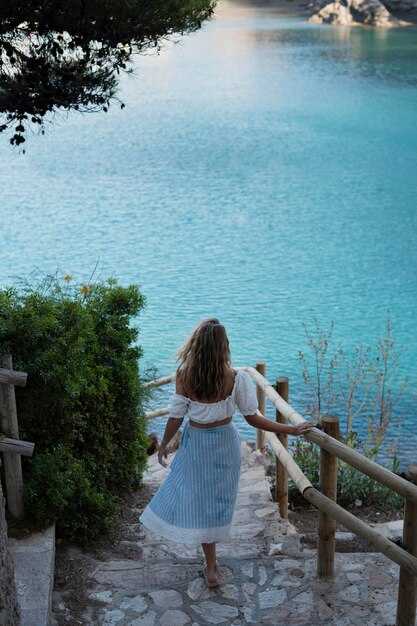
Visit Santorini and the surrounding islands year-round for amazing sunsets, a warm coast and a legendary Welcome, plus service that feels personal from first hello to last coffee.
Each season brings a different mood; however, spring markets brighten the streets, autumn breezes soften hikes, and Easter celebrations add a local flavour to ferry rides along the coast.
Relaxation is the goal for travellers seeking depth: for example, you can linger over a nibble, take a slow boat between coves, or write your own itinerary with confident flexibility.
For cruising fans, the Aegean coast offers day trips between islands, with reliable ferry service and frequent departures that let you hop between bays without a rush.
Two standout options, sifnos and santorini, illustrate why the islands stay known for texture and charm: sifnos with its tavernas and hiking paths, santorini with dramatic caldera views and a legendary sunset ritual.
Smart planning plus careful timing makes a year-round trip better: choose shoulder seasons, book ferries early, and align Easter and other local events with your travel window to maximise everything.
Greece: The Islands Year-Round
Plan a week of island hopping linking Poros, Ithaca, and Santorini, with a turquoise waterfront hotel to minimise transit and maximise visiting time for monuments on islands of a compact size.
In my opinion, shoulder-season visits yield milder crowds, calmer seas, and better hotel rates, while Ithaca’s mountainous interior offers rewarding hikes and panoramic views.
Each island offers a distinct rhythm: Poros with a pine-fringed harbour, Ithaca with rugged mountains, and Santorinis with caldera vistas and turquoise bays. A well-chosen hotel within walking distance of the port cuts transit miles and boosts daily exploration time. For bookings, use trusted booking platforms; pick one site and book only through it to compare rates and guarantees.
These deliver varied moods for travellers seeking variety across the calendar.
- Poros – arrive from Piraeus by short ferry, stroll the harbour, visit the Archaeological Museum, and enjoy seafood tavernas. A waterfront hotel keeps you close to the action and the boat dock, so you can swap a beach break for a town stroll without long commutes.
- Ithaca – take a local ferry, rent a scooter to explore the mountainous interior and the Vathi waterfront. Pause at the Monastery of Panagia and the island’s scenic beaches; end the day with a sunset view from the cliffs above the port.
- Santorinis – fly or sail to Santorinis; book a caldera-view hotel, then tour Akrotiri ruins, the black-sand beaches near Perissa, and a sunset walk in Oia. A boat trip to the volcanic islets and hot springs adds a changing perspective on turquoise seas and dramatic cliffs.
Flexibility matters; adjust pace to weather and ferry timings. This plan keeps the week smooth and allows you to savour simple moments–the whitewashed walls, the sea breeze, and the harbour lanes–without rushing. Finally, check rates early on booking sites and compare with direct offers to secure value for this multi-island experience.
Mild, Pleasant Weather Across Seasons
Take a late spring or early autumn trip to enjoy mild days, steady seas, and a relaxed pace.
Across the islands, average daytime temperatures range from 18–24°C in spring, rise towards 28–32°C in peak summer, then ease to 20–26°C in autumn. Sea temperatures follow a similar arc: 18–22°C in spring, 23–26°C in summer, 22–24°C in autumn. Pack light layers, sun cream, and a windbreaker for cooler evenings by the coast.
Crete, the largest Greek island, offers mountain trails that stay comfortable even in late spring. Guided hikes traverse olive groves and limestone ridges, and you can take a switchback from plateau to shore to view legendary panoramas. In spring, bring a decent sun hat and water; late afternoons reward you with a cooler breeze.
From the Cyclades to the Ionian, the Greece's archipelago benefits from ferries that operate between islands, with most routes running through shoulder seasons. In summer, Meltemi winds can blow strong at midday, yet mornings and evenings stay ideal for nightlife, outdoor dining, and coastal strolls. then you can call it a day with a sunset on a quiet beach.
Autumn invites almost any traveller with days around 20–26°C and sea around 22–24°C, offering harvest markets, cuisine featuring olive oil, seafood, and herbs. The pace slackens, crowds thin, and you can write a compact plan that balances guided tours of ancient treasures with relaxed sunbathing in quiet coves. Across the entire archipelago, houses in cliff towns glow with warm light, creating a Greek vibe that’s equally inviting for Greeks and visitors.
Winter keeps temperatures mild, roughly 12–16°C, with light rain in some spells. Ferries operate on reduced schedules, so pick towns with good connections and a reliable bus link. Museums, monasteries and historic churches provide decent day plans, whilst tavernas offer cosy ambiance and a hint of legendary stories in zorba nights.
| Сезон | Avg Day Temp (°C) | Sea Temp (°C) | Winds/Notes | Best Activities |
|---|---|---|---|---|
| Весна | 18–24 | 18–22 | Light breeze | Guided hikes, ruins, hill villages |
| Літо | 28–32 | 23–26 | Meltemi winds | Beach days, nightlife, outdoor dining |
| Autumn | 20–26 | 22–24 | Calm winds | Markets, wine tours, archaeology sites |
| Зима | 12–16 | 16–19 | Variable | Museums, monasteries, cosy tavernas |
Off-Season Prices and Flexible Travel Windows
Choose late spring or early autumn to lock in the best value. In April, May, October and November, temperatures hover around 18–25°C on Rhodes and Skopelos, crowds thin out, and hotel rates drop by 25–50% compared with peak season. Keep your dates flexible within a 7–14 day window to snag midweek flights and ferries at the lowest fares. Target 2–3 islands – Rhodes, Skopelos and Mykonos – to balance costs with varied scenery and experiences.
Hotels and villas show strong shoulder-season value. In Rhodes, a double room may run €60–120 per night in May or October, versus €150–260 in July. Skopelos offers even deeper discounts, with apartments typically €40–90. Mykonos remains stylish but fairer in April or October, with offers 30–50% lower than summer peaks. The same pattern holds across surrounding islands, letting you craft an elegant itinerary with a coastal style, without overspending.
Flexibility pays off in travel windows. Domestic flights to Mykonos or Santorini drop 30–60% in shoulder periods, and ferries from Athens or Crete cost 20–40% less. If you can shift by a few days, you’ll land slots that save both money and hassle. Start in Rhodes or Skopelos and hop by ferry to nearby isles to keep travel time reasonable while stretching your budget.
Even off-season, the cuisine and scenery shine. Akrotiri’s cliffs frame memorable sunsets, and the surrounding hills near Rhodes stay green after winter rains. Local dishes taste fresher when tavernas aren’t crowded, letting you sample more dishes in an evening. The mix of mountains, temperatures that stay comfortable creates an unforgettable mood, perfect for slow, confident exploration.
Tips to maximise value: book late at night or early in the week for flights; look for hotels with free breakfast or credits; use flexible dates to align with ferry departures in the mornings. For a balanced plan, aim for 2–3 nights in one base and 2–3 in another, enjoying both green countryside and blue coast without overspending. Whether you start in Rhodes or Skopelos, the options available keep the plan manageable and richly rewarding.
Year-Round Cuisine, Markets and Fresh Seafood
Grab a fresh catch at the harbour market in hubs like Heraklion and cook it tonight, pairing with lemon, olive oil, and crusty bread.
Markets across Santorinis, Milos, Skopelos and Irakleia stay lively year-round across the seasons, known for octopus, sardines, tuna, prawns, cheeses, olives, herbs and olive oil for the entire table. Year after year, these hubs draw locals and visitors alike.
Seasonality shapes every bite: spring brings grilled octopus with lemon and oregano; summer means seafood platters with tomatoes and cucumber, plus cool drinks; autumn features shellfish stews; winter warms with peppery fish soups.
Choose award-winning tavernas along the coast for simple, bold flavours–grilled sardines with garlic, prawns in olive oil, and fresh dolmades. Celebrate the coast with a plate of octopus and a glass of local wine while the harbour lights come on.
Sailing, you can hop between coves and ports, sample the day's catch at small tavernas, and soak up the vibe, feeling Europe in the wine lists and a hint of Spain in tapas-style starters along the quay. You can't miss the dawn markets.
Find favourite markets around the islands and plan to sample one or two dishes at each stop, from grilled octopus to garlic prawns.
Living like a local means buying from stalls before they shut up shop, asking for the catch of the day, and cooking for friends; the entire experience becomes a social ritual along the coast.
On Iraklia and Santorini, ask a fisherman about the ones that arrived that morning and how to prepare them simply; you can taste the freshest when you select early and pair with herbs and lemon, especially with olive oil.
Quieter Islands and Easier Access to Sights
Choose Leukada as your base for quieter days and quick access to sights. From the island, a bridge links to the mainland, letting you reach Thessaloniki city monuments in a day and explore coastal sights along the route.
On Leukada and nearby options, you find quieter coves and sunset viewpoints with fewer crowds. In May and September, award-winning coastlines feel peaceful, and a scooter makes short hops along the coast simple; nothing beats a quiet sunset. For contrast, Skiathos offers a livelier vibe, while the rest of the islands along the mainland coast stay welcoming.
For those planning a balanced itinerary, include day trips to the mainland to see monuments and museums, then return to enjoy sunset from Leukada’s harbour. The Greeks along the coast are welcoming, and locals often love sharing tips about sites that fit your travel rhythm. This setup has been popular with travellers who want something along the lines of easy access and quiet moments. This gives you a choice that fits your pace.
Year-Round Activities: Sailing, Hiking, Archaeology
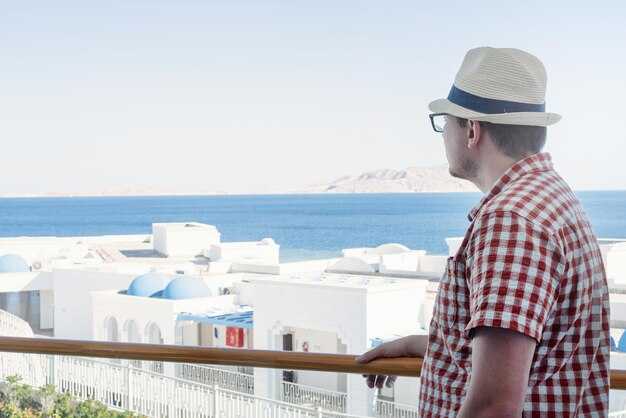
Choose a spring sailing that links Zakynthos, Hydra, and Corfu on a 7–10 day loop with a small ship; cooler mornings and calmer seas make swimming, snorkelling and shore visits more comfortable, from Zakynthos to Corfu.
On sailing days, plan 6–12 miles between anchorages, with sheltered coves for mid-day swims and a sunset return to port. Mind the tide charts and arrange visits to attractions and museums to see artefacts of a type spanning centuries.
Hiking options span Corfu’s inland hills, including Pantokrator, with 6–8 mile round trips, and Hydra’s harbourside paths that stay cooler as you rise from the water.
Take a guided archaeology day: visits to the Corfu Archaeological Museum and the Zakynthos Museum reveal artefacts spanning centuries; pick a specific focus – ceramics, inscriptions, or mosaics – and learn about the people who lived here.
Festivals, welcoming locals, and personal touches round out the plan: attend seasonal events, celebrate with locals over drinks, and hear personal stories about life lived on these isles. However, if you’re in doubt about combining a Cunard‑style crossing with island stays, the choice remains flexible: start with a shorter itinerary and take extra visits to museums and villages.
Dependable Ferry Connections and Island Connectivity
Book direct ferries from Piraeus to Santorini or Mykonos and pick a morning departure to maximise sun-kissed coastline views. If you're planning a year-round stay, prefer Blue Star Ferries for longer hops and SeaJets for quick hops; check their daily timetables now to lock in the best price. On cooler mornings, the sea feels calmer and it feels like a perfect start to your favourite island run.
Core links you can rely on include: Piraeus to Santorini (Thira) with Blue Star Ferries, conventional service around 8-9 hours; high-speed boats shorten that to 5-6 hours. Piraeus to Naxos runs 3-4 hours; Piraeus to Paros 3-4 hours. Rafina to Andros or Tinos takes roughly 2-3 hours. These lines operate daily in peak season and maintain a steady cadence throughout the year, making it easy for a traveller to plan a loop. For shorter hops, Mykonos–Paros or Santorini–Naxos connections clock in at about 1.5-2.5 hours on fast vessels. They're reliable links that keep you thinking about them as part of one seamless route, and you can craft a similar loop across Paros, Mykonos, and Naxos if you want more variety.
To maximise reliability, book flexible tickets or opt for combined itineraries that use the same operator, and arrive at the port 60 minutes before departure. If weather disrupts a leg, you'll generally get a same-day alternative or a free change with most carriers. If you need confirmation, call the operator's hotline, and keep a backup plan that includes a favourite island for a mind reset.
Onboard, expect a super straightforward setup: a cafe for drinks, a sun deck, and seating that suits a morning coffee or an epic sunset. For a mind-friendly schedule, map out a period between islands that gives you time to explore a favourite village, soak up history, and still catch a daily ferry back to the city if needed. The experience feels timeless and lets you keep moving without stress – you'll find your perfect rhythm.
Tips to maximise this network: book early for peak months, use port-to-port transfers, and keep a small backup plan in case a ferry is delayed. If you're staying on a sun-kissed island, align your arrival with morning light to start the day fresh, and plan a drinks stop before boarding the next leg. With these reliable links, the Greek islands stay connected year after year, delivering a super experience for every traveller who wants an epic island run.