


 Українська
  English (UK)
  Русский
  বাংলা
বাংলা  العربية
  日本語
日本語  한국어
한국어  Magyar
  Norsk nynorsk
  Türkçe
  עִבְרִית
  Español
  Čeština
  Svenska
  Português
  Ελληνικά
  Suomi
Suomi  Nederlands
  Română
  Italiano
  Français
  Polski
  Deutsch
  简体中文
简体中文  Slovenčina
  Српски језик
  اردو
اردو  Azərbaycan dili
  O‘zbekcha
  አማርኛ
አማርኛ  24 Найкращі речі, які можна зробити в Парижі, Франція | Найпопулярніші визначні пам’ятки, музеї та враження">
Visit the Louvre at dawn: enter through the glass pyramid, head to the Denon wing, and stand before captivating artwork in absolute calm. The galleries open early, and the courtyards feel fresh as a new day begins, a habit you can keep for a perfect Parisian start.
In Pigalle, a guide named Louise leads you through lively streets where cafés, vintage shops and tiny galleries cluster along the lines of classic Parisian façades. These moments blend energy with respite, and later you’ll find yourself pausing on a quiet balcony to watch light shift over the rooflines.
The Centre Pompidou offers bold artwork From modern masters; ride the escalator to a panoramic view that makes Paris feel close enough to touch. If you need a quick escape, stroll to the Marais and admire the built-in courtyards that host artists and designers who trade tips at the doors to small ateliers.
In Le Marais you can sip coffee near a chic Hotel terrace, then sample pastries with rose glacé in shops along Rue des Rosiers. The streets are lined with boutiques where you can pick up unique souvenirs, from handmade jewellery to vintage posters. The Palais-Royal gardens feature a planted of mature plane trees that shade benches where you can pause and plan your next move.
If you'd want a calmer finish, take the Pont Neuf riverside path as the city lights turn. These moments feel small but precise, and they linger with you later, guiding your next Paris plan while you still hear the Seine in your head.
24 Best Things to Do in Paris, France – Top Attractions, Museums & Experiences
Begin your visit with a 2-hour Seine cruise for breathtaking views of the city’s landmarks along the river.
In April, mornings around the Louvre are mostly calm. Stroll to Saint-Louis, where green shutters frame tiny streets, and pick up fresh bread at a local bakery before crossing back to enjoy river views that feel content and serene.
A stroll through Saint-Louis offers tiny lanes, where a passage opens onto a quiet courtyard with a bakery aroma and a perfect vantage point for river photos.
Manet fans should visit the Orsay to see his artwork and other French masterpieces; the space opened, with paintings exposed to generous natural light.
On the second afternoon, catch performances at a neighbourhood venue or a street corner before crossing back to the riverwalk.
A city respite occurs in the Tuileries or a quiet church visit; if you miss a corner, return later to catch a hidden detail.
The itinerary continues along the river to see additional sights and artwork on façades, then savour more bread at a riverside boulangerie and reflect on the day.
On your second visit, begin with a fresh plan to see the major sights you might have missed, and you came away with content memories of this city.
11 Visit the Elegant Petit Palais
Book a timed entry online to avoid queues and start your visit in the calm light of the ground-floor galleries.
The Petit Palais houses a rich collection on two floors, with lots of masterpieces by French masters across periods from the Renaissance to the 19th century. The building uses natural light from a grand skylight and airy halls, creating a wonderful atmosphere for viewing paintings and sculpture. The surrounding 8th arrondissement neighbourhoods add energy to the day, so you can extend your stroll after you finish.
Ticket desks offer online booking options, and the permanent collection is free; bear this in mind when planning an affordable visit.
Two floors flow from a central grand staircase to intimate corners where works sit beside sculpted busts and a few period rooms. The floor plan makes it easy to navigate, and a short stop at the bookshop near the exit lets you pick up guides and postcards to take home.
The collection houses paintings by masters such as Ingres and Delacroix, along with decorative arts spanning the 16th to the 19th century. It took about 90 minutes to wander the core galleries, while a few side corridors reveal small but dense clusters of works.
François, a friendly guide at the entrance, can point out the highlights and share anecdotes about the Beaux-Arts architecture. If you catch a temporary display about costumes from a given period, take a moment to study those fabrics and tailoring techniques. François greets visitors at the entrance and can tailor tips to your pace.
Afterwards, textiles, drawings, and portraits sit side by side, offering a calm contrast to the nearby Grand Palais. The terrace around the building provides views away from the busy streets, a wonderful place to reflect before continuing your day.
If you plan to visit Sainte-Chapelle afterwards, pair the routes with a riverside stroll; depending on your pace, the walk across the city links the two sites nicely. The 8th arrondissement hides plenty of coffee spots and bookshops, inviting a break that feels perfect for a relaxed afternoon.
Petit Palais: Location, Hours & Ticket Options
Book online in advance to secure a booked slot for the Petit Palais and skip queues. The museum sits on the Avenue des Champs-Élysées, opposite the Grand Palais, in the 8th arrondissement. Its front façade presents a refined maison-style entrance, and the inner courtyards bloom with greenery and tiny rose borders. Built around 1900 for the Exposition universelle, the site blends grand architecture with a welcoming, human scale that fits a half-day in the capital. If you’re staying near Sacré-Cœur, this stop adds a refined contrast between hilltop views and sculpture-filled rooms.
Hours and planning: Open 10:00–18:00, with last entry around 17:15. The site's typically closed on Mondays; check the official page for seasonal extensions or late openings during special exhibitions. If their menu of sights appeals, you can combine a visit here with a stroll to nearby paume venues and cafés along the way.
Ticket options: General admission covers the permanent collection, whilst temporary exhibitions require a separate ticket. Online timed tickets help control queues, and on-site purchases remain available if you’re flexible. Consider a combined pass with nearby sites such as the Grand Palais or paume for a multi-site day. If you booked a specific time, arrive a few minutes early to enjoy the front hall and begin your experience smoothly.
What to expect inside: The galleries include works from the 18th and 19th centuries, with painting, sculpture and decorative arts across several rooms. The inner courtyards offer greenery for a quick break, and the rose-hued stone walls glow in the light. Short films or video installations appear in some exhibitions, adding a contemporary layer to a fantastic, sometimes eerie atmosphere. You can hang in the quiet corners to absorb details, perhaps staying a bit longer to catch another gallery or a tiny sculpture you missed, and then end your day with a stroll towards the Paume or towards the river, choosing between endless small discoveries or a single standout piece.
Top 11 Masterpieces to See at the Petit Palais
1) An 18th-century portrait in oil on canvas anchors the east wing, its crisp brushwork and restrained palette inviting you to arrive early and study the sitter up close. Admittedly, this piece makes the strongest first impression for first-time visitors.
2) A neoclassical marble sculpture stands to the left of the main stair, its balanced lines and drapery beneath a soft skylight delivering a sense of calm and focus.
3) A fantastic landscape from the 19th century catches a magical light that shifts with the angle of view, offering a relaxing moment amid the gallery’s pace.
4) In the decorative arts case, a delicate 18th-century glass bottle sits beside porcelain pieces, illustrating the era’s craft and taste.
5) A small French genre scene shows daily life in a moment of stillness, its colour work crisp enough to feel almost photographic.
6) A bronze relief from antiquity sits beneath a glass case; the carved figures move with a quiet grace, admittedly timeless in appeal.
7) A luminous pastel or gouache portrait from the late 19th century radiates tenderness; however, keep a little distance to let the soft edges bloom.
8) A tapestry fragment, along with other textiles, reflects decorative imagination and even hints of puces-era market chatter that once circulated in Paris.
9) A small bronze figure, stored behind glass, catches light as you move, its patina deepening on the left side and giving a sense of sinking warmth.
10) A neatly curated set of drawings lives in the bibliothèque section, with captions in French and English to help you follow the thread.
11) A contemporary piece on the top floor links past and present; booked timed-entry, audio guide, posts and links to the museum site help you plan and combine your visit with a stroll. When you arrive, step to a window that overlooks Vendôme and watch the light sinking beneath the glass roof.
Tickets, Passes & Time-Saving Tips
Get a Paris Museum Pass for your dates if you're planning to visit several museums and monuments; it's a must-do for streamlining entries and squeezing more art into a short window. A quick story from a traveller who found queues shrinking when using timed entries shows how much time you can save by planning in advance.
Next, decide which option fits your pace: 2 days, 4 days, or a longer window. Check hours and morning openings; if you stay near a major station, your routes stay simple, and targeting sites along the river within a small loop minimises travel time. If you arrive by railway, plan a route that keeps you within reach of Saint-Lazare or Gare du Nord to reduce backtracking.
Within your plan, combine timed-entry tickets with a lunch break near a top landmark to avoid peak queues. For example, schedule a morning visit to a basilica, then grab lunch by the river and continue with a museum in the afternoon. If you’re a Manet fan, pair a visit to the Orsay in the morning with a stroll to the Tuileries for works that feel adjacent to Paris’s heart; it can be a Marvel-worthy arc for the day.
Background notes: many popular landmarks offer queue jump entry with certain passes; you’ll save time at places along the river and near the station district. Some galleries feature skulls in archives or decorative motifs, a reminder to check current exhibitions. The Paris sewer tour can be a quirky add-on for an afternoon, indeed a different take on the city’s history.
Suggested prep: download the official app, link your tickets, and keep a written list of the top sites so you never miss a window. If you plan to stay several days, keep a single pass active for the key days to avoid overlap and confusion. If you’re visiting from Lisbon or another city, bring a photo ID and a backup card; many venues require it for entry and pickup. The first entry time is usually the most crowded, so aim for early slots. Never rely on last-minute tickets when time is tight; done right, you’ll maximise each moment.
| Ticket type | Тривалість | What it covers | Queue-jump | Найкраще для | Approx. price* |
|---|---|---|---|---|---|
| Paris Museum Pass | 2–6 days | 50+ museums and monuments (including top sites) | Aye, at many sites. | Serious museum-goers, efficient itineraries | Varies by duration |
| The Paris Pass | 2–6 days | Attractions, tours, some transport options | Yes at major sites | First-timers wanting a bundled experience | Varies by option |
| Timed-entry tickets (Louvre, Orsay, etc.) | 1 day | Specific sites with reserved time slots | Yes | Targeted visits, flexibility to pick sites | Prices per site, varies |
Best Time to Visit Petit Palais to Avoid the Crowds
Visit weekday mornings between 9:00 and 11:00 to enjoy the quiet galleries and the shortest queues.
For a better balance of light and fewer visitors, target the months of April, May, September and October. These months bring greenery to nearby gardens and quieter streets, making it easier to move through the halls with space to breathe.
- Time windows matter: choose early morning 9:00–11:00 or late afternoon after 3:00 to minimise crowds and immerse yourself in impressionist highlights and decorative arts.
- Day strategy: weekdays are preferable; Tuesday through Friday are the quietest, while Mondays are usually closed and weekends attract more groups and tours.
- Entry plan: buy online timed-entry tickets and, to confirm current queues, check Google before you go. This helps you pick a precise slot and skip queueing.
- What to focus on: map out a route that starts with greenery-inspired works, then explores impressionist pieces, and finishes in the grand atrium for a sense of scale and light.
- Practical notes: wear lighter clothing in summer and carry a bottle for hydration; there are nearby drinks in crêperie spots after you've finished exploring.
- Combining experiences: if you have time, pick out a nearby stroll through the gardens and rouge façades along nearby streets, then swing by a boutique for a small clothing purchase before continuing on to Versailles by train for a larger day out.
- Nearby landmarks: a quick visit to Église François for a holy moment or a cathedral on the river bend offers a complementary arc to your art day.
- Extended day option: for a fuller cultural loop, plan a coming afternoon to Versailles or a short walk to a nearby fair or market to taste local drinks and snacks.
Tip: this approach yields better experiences by letting you explore at a relaxed pace, while still leaving time to pick a crêperie or a quiet corner in a boutique for a memorable break.
Pairing Petit Palais with Nearby Sights
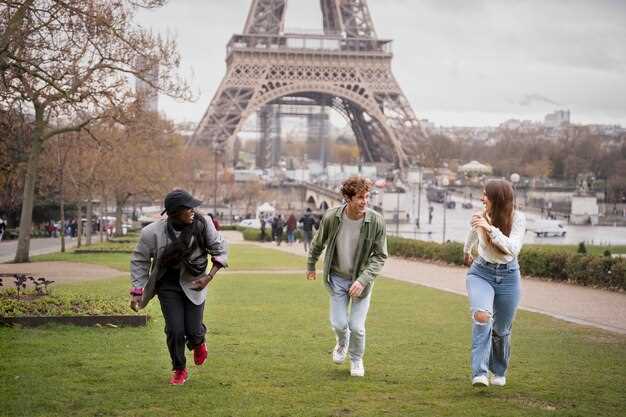
Begin at the Petit Palais, then walk to the Grand Palais–these spots are located opposite each other and frame a tight, art-filled circuit in Paris. The Petit Palais opened in 1900 for the Exposition Universelle and still rewards visitors with intimate rooms and sunlit halls that feel like a curated stroll through time.
Follow the tree-lined path through the Tuileries towards the Orangerie, marvelling at greenery, statues, and endless views along the way. The Orangerie opens into two airy rooms that house Monet and other masters, creating a natural bridge between the two museums and a moment to rest while marvelling at reflections in the water, which seem tailor-made for a leisurely first pass.
Heading towards the opera district, you pass by a church and a handful of coffee shops where you can refuel with a quick espresso. On this route, vintage shopfronts beckon, and a bakery nearby serves bread to take along. If you turn left at the corner, markets nearby offer fresh seasonal snacks, and the whole stretch feels like a part of parisian culture, indeed a second stop for more sights.
Martin, a local guide, shares recommendations: keep the pace gentle, since the sights are located within a compact radius, you can reduce backtracking by following a single loop and heading to a second stop only if a gallery catches your eye. For tickets, bundle passes that cover Petit Palais and Grand Palais; this approach indeed saves time and energy, and you’ll follow the route with ease.
Practical Route: Petit Palais During a Paris Day
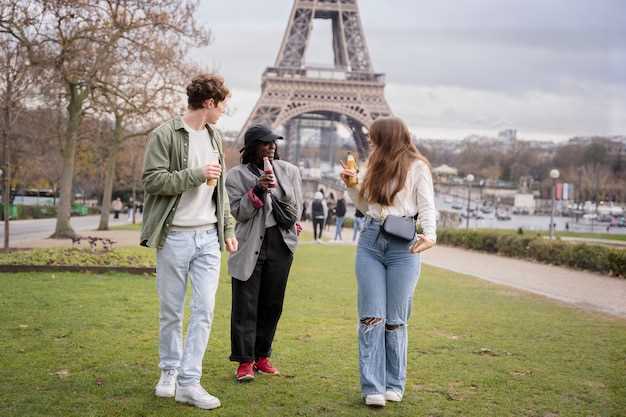
Purchase timed-entry tickets online and arrive at 9:50 a.m. to be inside when the Petit Palais opens at 10:00, ensuring access with minimal queues.
Note on access and planning: Pariss Access is straightforward from central Paris, and the building is housed in a grand Beaux-Arts maison. The arch at the entrance shoes the building’s elegance, and the background of the courtyard makes a great backdrop for photos. If you're short on time, this route will offer a compact, efficient sequence that helps you stay on track. Latin inscriptions on the walls add a timeless touch to the setting, enhancing discovering moments around every corner.
What to do first
- Head straight to the permanent collection on arrival; spend 60–90 minutes exploring paintings and sculpture from the 19th and early 20th centuries.
- When highlight hunting, pick two or three rooms to focus on, that way you don't go wandering. It'll keep your content focused and the pace manageable if you're just popping in.
- Pause at the on-site cafe for a quick bite: bread, a pastry, and a cuppa with cream or caramel to recharge.
- Grab a few Instagram-worthy snaps near the courtyard arches; the arch and light make for clean, shareable content.
- Прогуляйтеся по великим зовнішнім подвір'ям та пройдіть через навколишні зелені зони; сама архітектура є виставою та ідеальним фоном для відкриття мистецької сцени міста.
- Постійна колекція розміщена у компактному маршруті, що дозволяє легко охопити основні моменти без повернення.
Прогулянка в полудень та прилеглі маршрути
- Від Малого палацу прогуляйтеся через сади Тюїльрі до Сени; прогулянки пропонують класичні паризькі краєвиди та можливості для фотографій, щоб збагатити ваш контент про все Париж.
- Розгляньте коротку відвертку до поблизького фасаду Гран-Пале для отримання більшої кількості архітектурних знімків і ширшого фону для дослідження мистецького кластеру цієї місцевості.
- Варіанти обіду поблизу включають ресторан або традиційну пекарню (maison), що пропонує свіжий хліб; оберіть лавку біля саду для відпочинку.
- Якщо ви прагнете спокійнішої миті, знайдіть капличну нішу або тихий куточок у подвір'ї для моменту спокою перед тим, як продовжити свій день.
Завершення пополудня
- Повертайтеся до річки або метро; у цьому районі поблизу розташовано кілька музеїв, що дозволяє здійснити невелике відхилення, якщо у вас є час. Якщо ви поспішаєте, навіть ледь 60 хвилин можуть відчуватися насиченими відкриттями.
- Завершіть все філіжанкою кави або десертом із карамельним та вершковим смаком у найближчому ресторані; це приємне завершення перед вечірніми розвагами.