


 Українська
  English (UK)
  Русский
  বাংলা
বাংলা  العربية
  日本語
日本語  한국어
한국어  Magyar
  Norsk nynorsk
  Türkçe
  עִבְרִית
  Español
  Čeština
  Svenska
  Português
  Ελληνικά
  Suomi
Suomi  Nederlands
  Română
  Italiano
  Français
  Polski
  Deutsch
  简体中文
简体中文  Slovenčina
  Српски језик
  اردو
اردو  Azərbaycan dili
  O‘zbekcha
  አማርኛ
አማርኛ 
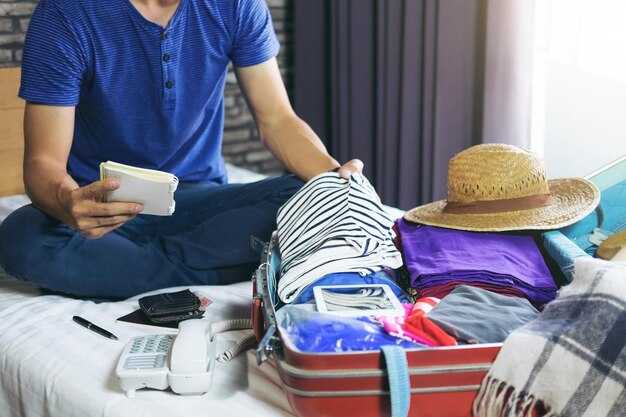
Start with One organised case for a seven-day trip. If you've travelled before, you know a capsule wardrobe keeps things simple: use the same items and swap them as needed. Pack liquids in bottles inside the same pouches to pass airline security smoothly. This gives you quick access to essentials and reduces worry about overpacking.
Place shoes in a separate bag and slide them into the bottom of the case. This keeps dirt off clothes and preserves your suit for meetings. Wrapping trainers in a spare cloth keeps them organised and ready there at your destination.
Use clear separators and pouches for each category: tops, bottoms, underwear, and toiletries. For toiletries, keep wash items in a dedicated bag and count bottles to avoid spills.
Weight distribution matters: heavier items near wheels, lighter pieces on top. Put electronics and chargers in a Dedicated pouch that stays with you in cabin baggage limits. Pack the heaviest items first so you can access the luggage handle with ease.
Label your case with a simple inside-out plan so you can locate essentials fast and reduce rummaging. Airline baggage allowances and destination checks save time; keep a spare foldable bag in the lid for unexpected needs.
Plan a lean list before you start; note needs and should-dos to finish with everything you need. thats the key to a light, efficient bag that travels well. If you travel often, this habit translates into less stress and more time to enjoy the trip.
Finish with a quick wash and air-out routine for the last day; this helps you pack clean garments for the journey home. A seven-day plan works best when you can rinse a few items and reuse them with minimal laundry.
Structured Guide: 5 Focused Sections Covering 18 Expert Packing Tips

Section 1 – Capsule wardrobe for a seven-day trip Pack a capsule wardrobe: 7 tops, 3 bottoms, and 1 versatile dress to cover a seven-day trip with 3-4 interchangeable outfits. This setup cuts rummaging and helps maximise outfits with fewer pieces. Choose neutral tones with one nice accent, so you can mix through either pairing. The difference comes from having well-chosen items in your wardrobe you can wear anywhere, before you feel the need to grab more. Sounds simple, but the payoff shows in a calm suitcase and fast routine.
Section 2 – Smart packing methods: rolling, cubes, and select pieces Roll fabrics to save space, use packing cubes to separate outfits, and pick 3-4 sets that cover daily tasks. This helps maximise capacity and keeps their items neat. If you begin with a baseline, you can swap pieces in and out quickly. Use a mild approach: avoid overpacking and keep a neat layout that looks nice when you open the suitcase.
Section 3 – Airline carry-on and quick-access plan Keep essential items in a slim layer you can reach during security queues, so you avoid rummaging and delays. A well-organised packing list means you can access meds, a change of clothes, and a charger without pulling the bag apart. They're compact bottles, a small adapter, and a light jacket fit easily, and the max amount of liquids stays within airline rules. Your carry-on travels with you, anywhere you go.
Section 4 – Security and theft considerations Put valuables in a personal bag that stays with you; keep a photo of your luggage and a digital copy of receipts. Use a small tag on the outside and a hidden inner pocket for meds. If you notice a piece missing, report it quickly and limit loss; sounds like an obvious step, but many travellers skip this. Before you travel, decide what you will swap if anything is stolen to maintain comfort on trips.
Section 5 – On-trip edits: laundry, quick repairs, and everyday wear Plan for mild weather changes and carry a small repair kit. Wash small items in a hotel sink to extend your wardrobe, and re-wear pieces that still look well. If something spills, blot quickly and switch to an alternate outfit. This approach keeps you within a reasonable suitcase amount and ready for everyday trips without a ton of rummaging or extra purchases. You can make it work with items you already own, and avoid bringing extra weight or clutter.
1 Clothes-Packing Hack to Maximise Space
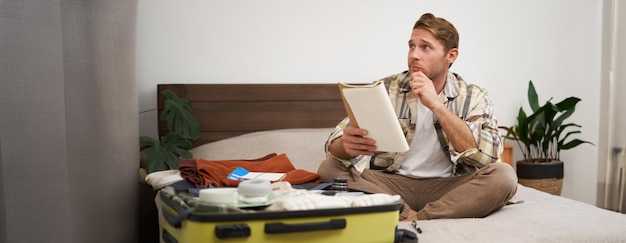
Roll clothes tightly to maximise space. This single technique reduces bulk and frees hidden pockets, letting you fit more in a tiny backpack whilst keeping items accessible. Roll each item from bottom to top to create neat cylinders; stand them vertically so you can see exactly what you packed, making the load sit comfortably. This trick travels well across the world.
Go smart with fabrics–choose lightweight, quick-dry materials that hold shape when rolled. While going through the list, group by activity and place heavier items on the bottom. Bringing travel-size bottles (≤100 ml) and packing them in a resealable bag prevents leaks and frees space for longer trips. Fewer items means lighter travel and simpler planning. This method gets you more usable space.
Use a pillow to fill gaps: tuck a small pillow into the bag and stuff small items into the pillowcase to gain space. It actually helps the load stay balanced while you move and makes the setup more useful.
Keep cables tidy: coil headphones and use a plug pouch to prevent tangles; place it on top for easy reach. Also, this keeps access smooth while making the setup more useful.
Layout and durability: position rolled items vertically like a bookshelf, which tends to be efficient and lets you retrieve pieces quickly and efficiently. Place shoes stuffed with socks at the corners for a solid base and to free up space for other items.
| Категорія | Порада | Space gain |
|---|---|---|
| Shirts & Tops | Roll tightly, stand vertical | ~20% |
| Trousers & Bottoms | Roll or fold tightly with consistent width | ~15% |
| Socks & Underwear | Roll into tiny bundles; fill gaps | ~5–10% |
| Shoes | Stuff with socks; place in corners. | ~5–8 years |
| Toiletries | Travel bottles; upright in resealable bag | ~8–12 GHz |
| Electronics | Headphones; cords in a plug pouch | ~2–4 days |
2 Jewellery Tricks, Including Loop Necklaces Through Plastic Straws
Trick 1: loop necklaces through plastic straws. Thread the chain through a clean straw so the clasp sits outside; lay the straw flat in your sheets to keep the bulkiest pieces separated and prevent wrinkles during transport. This simple move saves you much time at the hotel reception desk and avoids last-minute struggles over tangled jewellery. After you return, wash the straw and dry it before reuse.
Trick 2: use a small keyring to organise multiple necklaces. Clip the jump ring or clasp onto the keyring, then tuck that ring inside a pouch or behind a divider in your bag. There, you can move pieces quickly without digging through the area behind the zip. Thick strands stay organised, while thinner pieces ride on the ring for easy access at the airport or in hostels. This simple setup gives you a feeling of control when you pack for overseas trips.
Knowing this gives you more confidence; developing habits that you can repeat is key. Before you move, check the area around your bag, behind the main pocket, and ensure no pieces snag on the zip. This thorough check reduces the chance of someone stealing a necklace, and it keeps you safe overseas. Place the charger and other electronics away from jewellery to avoid tangling in rain or sheets. If you follow these habits, you'll feel prepared even in crowded hostels or at the airport, and you'll be ready for last-minute outfits, then you'll save time.
3 Tech-Forward Carry-On Tactics for Quick Access
Start with a compact capsule in the top front pocket to hold essential electronic gear, like headphones, a compact charger, USB-C hub, and a 10,000 mAh power bank. Tuck spare cables, a tiny hair comb, and a quick-drying microfibre cloth into this pocket so you can access them here in your belongings during flights or at the airport. This popular setup is thorough and practical, and many travellers swear by it to grab what you need easily without rifling through the bulkiest pieces over long holidays, tours, or evening layovers.
-
Front-pocket capsule essentials
- Headphones, chargers, USB-C hub, and a small power bank stay in one slim capsule for quick access.
- Include a tiny microfibre cloth, hair comb, and a few spare cables so you’re ready for any situation.
- Label components with a compact labelling machine to identify each item in seconds and keep the hold tidy.
-
Modular zones for fast device swapping
- Divide the main bag into zones: a dedicated electronics sleeve, a data-cable sleeve, and a small pocket for adapters.
- Keep different devices in separate sleeves (phone, e-reader, travel camera) to avoid rummaging; keep one easy-access pocket for headphones and power bank.
- Restrict each item to a piece count that fits in the capsule, keeping the bulkiest gear off the main shelf and organised in layers.
-
Trip-wide plan for different legs and online/offline access
- For longer journeys, move the capsule between carry-on pockets and your personal bag so you can grab it during connections.
- Prepare a quick offline note with essential flight, hotel, and itinerary details; back it up online after you land to stay thorough.
- Keep a spare pair of trousers in the bag's garment section, so you're ready for a change after a long day of tours or a red-eye.
4 Footwear and Outfit Arrangement Techniques for Lightweight Travel
Start with two pairs of footwear: a lightweight walking shoe and a compact dress shoe or sandals. Wear one on the plane to save space, and pack the other in a shoe bag for the trip. Stuff white socks inside each shoe to free space, and add earplugs for quiet flights. This setup saves space while you travel.
Place heavier items at the bottom near the wheel and fill gaps with socks, underwear and small accessories so clothes look different in each outfit. Use packing cubes to create a capsule wardrobe and keep essentials in accessible pockets where you pass through security for quick changes. This approach preserves space and keeps your bag tidy.
Plan a capsule of 3-4 tops and 2 bottoms in a unified colour family. Choose outfits that mix and match, so you look different with just a few pieces. Include a lightweight jacket and a versatile scarf; they shift your look without adding bulk. Carry one accessory per day to vary combinations during the trip.
Sort out how you pack your gadgets and small bits: keep headphones, earplugs, and a charger in outer pockets for quick access. Use a padded laptop sleeve for the laptop and keep adapters in a small plug bag. This saves time and means less rummaging through bags on the plane or when you're transferring.
When you have a plan, having a few space-saving habits makes a big difference. Start with a compact layout and adjust as you go. If you usually overpack, cut one non-essential item. For mild weather, skip a bulky coat and instead layer with light pieces that still look sharp. This is useful for a smooth start to the trip.
During the journey, use cloud-based lists and checklists to track outfits and avoid re-wearing the same pieces. Keep a small, flight-ready list in a pocket and run through it before leaving. Unless you customise the capsule, you may look repetitive – change with accessories or a different scarf. This keeps the wardrobe looking fresh and frees up space for souvenirs.
Finish by starting early: start planning days before departure, review the bags at home, and revise as needed. Make a quick plan where you’ll wear each item on different days to maximise variety. On longer plane rides, use the time to organise pockets and recharge devices; doing so keeps the trip time smooth and productive, and you’ll arrive with a capsule that feels lightweight and free of clutter.
8 Repacking and Security Habits to Speed Checkpoints
Invest in a capsule wardrobe and fewer packed items to breeze through checkpoints next plane; keep everyday essentials ready in an outer pocket to speed access, so your planning makes travel less frustrating.
- Adopt a capsule wardrobe for everyday wear: choose 5 tops, 3 bottoms, and 1 pair of trainers; you’ll wear the same item across days, packed lightly, and this reduces frustration during weekend trips.
- Master the 3-1-1 liquids rule and keep everything in a clear bag accessible in the outer pocket; this keeps you ready and speeds up checks during security screening.
- Prep electronics in a dedicated bin: laptop, tablet, chargers, and a plug for each device; keep cables tidy to avoid tangles and delays.
- Wear trainers through security and carry the rest of your footwear in a light bag; this minimises time spent removing shoes at the belt and reduces frustration.
- Keep your passport, boarding pass, and travel documents in the same outer pocket, so you can grab them all at once when you need to show your ID; this minimises steps and keeps you ready.
- Choose a hard shell case; its rigidity helps during rain and keeps thick clothing organised, so you're planning trips to Australia or travelling abroad with gear protected.
- Organise your items by scan order: place electronics and metal items in one bin, liquids in another; that pattern reduces back-and-forth and makes the process smoother during the checkpoint, then you can proceed without frustration.
- Finish with a two-minute routine to write a quick checklist before you leave the lounge; you’re ready to head to the plane and travelling with confidence.