


 Українська
  English (UK)
  Русский
  বাংলা
বাংলা  العربية
  日本語
日本語  한국어
한국어  Magyar
  Norsk nynorsk
  Türkçe
  עִבְרִית
  Español
  Čeština
  Svenska
  Português
  Ελληνικά
  Suomi
Suomi  Nederlands
  Română
  Italiano
  Français
  Polski
  Deutsch
  简体中文
简体中文  Slovenčina
  Српски језик
  اردو
اردو  Azərbaycan dili
  O‘zbekcha
  አማርኛ
አማርኛ 
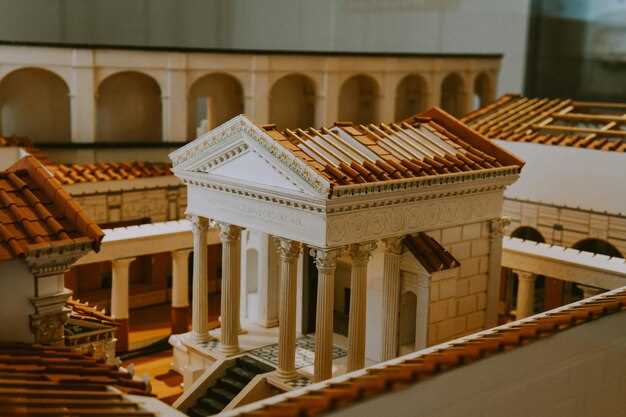
Begin at the Acropolis Museum to set a clear baseline, spanning artefacts from the Bronze Age to the Roman era. This opening stop is positioned to deliver beauty and context before you wander to other neighbourhoods.
Then the Underground will carry you to a central cluster where primary archives and sculpture halls reveal daily life across centuries, with a vivid mix of marble, bronze, and other materials.
In an adjacent wing a section highlights Schliemann's excavations, and present displays pair carved reliefs with inscriptions that illuminate distinct local trades and beliefs.
Walking between galleries, you'll notice a delightful rhythm: common everyday things in sharp contrast with monumental pieces, and a nice arrangement positioned to invite quick comparisons.
Before lunch, grab a map and plan a loop that passes through two smaller venues, where you will see detailed dioramas and real tools used in antiquity, created with marble, terracotta, and other materials.
These museums cluster near old streets, offering a neat path that pairs ancient ceramics with modern presentations, helping you connect the present with past life.
Each stop adds a distinct angle, and a well-timed walk through shaded courtyards makes the whole itinerary truly delightful, giving you a practical map of how everyday people lived and what they valued.
The Athenian Museum Experience: A Deeper Dive into What Makes it Special
Start by heading to the ground-floor gallery where vase displays sit beside metalwork, with pieces shown both inside and outside. The actual centrepiece wall pairs dramatic forms with precise craft, creating a highlight that makes technique tangible and memorable.
Each section follows a clear theme, guiding attention to how expressions on faces and vessels convey daily life. The richness of objects invites a conversation about what belonged to workshops, markets and temples; especially striking are votive vases that carry intimate stories, revealing the soul behind the work.
Step outside into a quiet garden that frames the indoor holdings; the garden adds a breathing space between the masterpieces and the street. This setting helps minds connect with objects that belonged to a world long past, wherever your route leads you.
A practical rhythm unfolds on Mondays, paired with the summer light that reshapes how bronze and terracotta read. The layout is based on time-friendly segments that suit both young minds and curious researchers, enabling you to pause, compare, and appreciate horses depicted on regalia.
To deepen recall, join a focused route that ties each object to its origin: a ceremonial vase, an ornate helmet, or a striking piece of metalwork. Welcome questions, and let the dialogue build your own interpretation; with a simple note you can predict which piece sparked a new idea within your own world.
A Time-Saving One-Day Route for History Buffs
Begin at the Acropolis Museum with online tickets purchased to shave queue time, then move along a compact loop arranged to fit today's pace with minimal backtracking.
-
Acropolis Museum (08:30–09:15): tickets purchased online to shave queue time; highlights include a cast of reliefs illustrating classical life; a quick stop on the top floor terrace offers an outside panorama; plan to keep moving to avoid delays.
-
Acropolis Hill (09:30–10:15): quick ascent; outside setting; the Parthenon dominates the scene, whilst nearby fragments hint at mythic representations of afterlife; moving views; a short stop to absorb the skyline.
-
Ancient Agora & Stoa of Attalos (10:45–12:00): the reconstruction of the market layout helps a group picture a living street; some blocks dating back centuries; abstract reliefs on walls provide context; this stop ties civic life to architecture.
-
National Archaeological Museum (13:15–15:00): this famous institution houses the majority of Greek antiquities; the museum system of galleries is well organised, with highlights like the Mask of Agamemnon; artefacts were arranged to show a moving arc from Bronze Age to later periods; today's cultural landscape benefits from its breadth, what's on display keeps evolving.
-
Optional stop: Museum of Cycladic Art or Benaki Museum (15:30–17:00): the Cycladic collection is artistic and abstract, offering simple forms that feel timeless; Benaki adds a broader sweep of daily life across eras, illustrating richness and context; today's group can choose based on interest; both stops close the loop with moving, memorable highlights.
Best Visiting Hours to Avoid Crowds
Go between 08:30 і 11:00 на weekdays to dodge the bulk. You could move through galleries with minimal queues and begin with the iconic pieces that set the day's tone.
From halls housed in Monastiraki-facing wings, many objects are restored and arranged to reveal imagery from cultures. Look for frescoes і vases that display the fashion era. Pause on the terrace between rooms to break the pace and gain a true understanding of life in antiquity. Some pieces belonged to ancient cult ceremonies.
Plan a second window: 16:00–18:00 when queues thin out and spaces feel calmer until closing time. Artefacts tied to Schliemann, включаючи а bull motif, are often housed near the earliest galleries. If you're staying near monastiraki, a short stroll can precede your return to the halls.
To gain true understanding, take each encounter slowly and let common sense guide your pace. This approach makes the imagery on frescoes і vases clearer, and the whole set of displays reveals the past itself that much more vividly.
Ticketing and Passes: Discounts and Online Access
Buy the official online pass 24 hours ahead to secure a timed slot and skip long queues at the doors.
Online access provides a streamlined mechanism to move between places beneath a single account, with mobile tickets that display a clear QR code on glass screens at entry.
Think about your plan: need flexibility? consider a multi-place bundle that includes must-see sites and active hour windows; you might be surprised at value, especially when comparing respective policies, including German language options and London-based partners.
Exhibits cover Zeus, stoa, and daily life, with coins and ostraka shown in a theological gallery called the House of Zeus; prices adapted to student categories and seniors appear on the official site, with ID checked at entry.
| Pass type | Access and limits | Ціна (EUR) | Нотатки |
|---|---|---|---|
| Standard Online Entry | Single site; timed hour slot; mobile QR | 22 | Redeem on official site; instant confirmation |
| Multi-Place Bundle | Access to 3 places; skip-the-line; unified ticket | 34 | Best value; valid 3 days; includes stoa and zeus displays |
| Student/Senior Reduced | Reduced price; valid ID at entry | 12 | Availability varies; check official site |
| Evening Entry Pass | Limited evening hours; suitable for longer stays | 15 | Subject to availability; times online |
Accessibility and Visitor Facilities at Athens Museums
Plan ahead: contact the site office to confirm step-free access, lift availability and wheelchair routes. Maps detailing accessibility are often published online; download before arrival.
Ground floors host the bulk of displays, with ramps, wide doors, and seating at intervals. If stairs appear, ask staff to provide an alternative route that stays on one level completely accessible.
Audible tours are available in multiple languages; tactile displays, raised labels, and large-print signage assist visitors with visual impairments.
Earliest expression of daily life is visible in ostraka alongside other artworks; labels use clear contrast to aid comprehension across a century.
Offerings include wheelchair hire, seating areas, accessible restrooms, baby changing facilities, and buggy spaces; signage supports quick wayfinding by using icons.
Diversity of cultures is reflected in the collections; many objects, from sculptures to manuscripts, link to regional traditions. A Nike motif appears on benches and signage, signalling classical heritage; we are proud to reflect this diversity.
Magnificent spaces invite an amazing sense of space; mind-friendly layouts help visitors still feel engaged, even when crowds gather; those who walked through long galleries report smoother experiences with clear routes and seating.
Much-needed upgrades continue, with completely accessible routes, lifts, and rest areas; visitors seeking a calmer experience can plan visits during off-peak hours.
Pairing Museum Time with Local History Walks
Begin with a focused музей session, then step into an outdoor route along a curated path that links exhibits with streets; this moving sequence shows how a centre's streets echoed decrees, legal acts, and the rhythm of everyday life.
Choose destinations that illustrate diverse themes: Mycenaean-era ware, Delphi artefacts, and a public square with monumental statues; the mind absorbs how vases і sarcophagi carried symbolic messages across time.
Examples include a collection of vases і sarcophagi, showcasing diverse iconographies, plus vessels in a dedicated cabinet; such pieces link a movement in ceramic art with ritual life.
Discerning walkers should pace sessions by focusing on three pointsa monumental object, a legal decree inscribed on a base, and a personal story linked to a local place.
Keep an eye out for along the route: theological etc. Please translate the following text to UK English: "This is a sample document to be translated. It contains various British English spellings and terms that need to be adapted for a United Kingdom audience. The goal is to ensure the translated text is natural and culturally appropriate. For example, American English uses 'color,' while British English uses 'colour.' Similarly, 'airplane' becomes 'aeroplane,' and 'organize' becomes 'organise.' These subtle differences are crucial for effective communication. Consider also idiomatic expressions. An American might say 'hit the books,' whereas a Brit would say 'hit the books' as well, so that one doesn't need changing. However, 'pants' might need to become 'trousers' depending on the context. Pay close attention to these nuances to provide an accurate and localized translation." This is a sample document to be translated. It contains various British English spellings and terms that need to be adapted for a United Kingdom audience. The goal is to ensure the translated text is natural and culturally appropriate. For example, American English uses 'color,' while British English uses 'colour.' Similarly, 'airplane' becomes 'aeroplane,' and 'organize' becomes 'organise.' These subtle differences are crucial for effective communication. Consider also idiomatic expressions. An American might say 'hit the books,' whereas a Brit would say 'hit the books' as well, so that one doesn't need changing. However, 'pants' might need to become 'trousers' depending on the context. Pay close attention to these nuances to provide an accurate and localised translation., pagan motifs, and the environment surrounding a monumental site; outdoor spaces become open-air classrooms.
Plan routes through a центр close to transport hubs, ensuring захоплюючий views between stops; that balance keeps minds engaged.
Examples from Delphi‘s inscriptions and Mycenae-related collections illustrate how decrees shaped artistic practice and legal norms across eras.