


 Türkçe
  English (UK)
  Русский
  বাংলা
বাংলা  العربية
  日本語
日本語  한국어
한국어  Magyar
  Norsk nynorsk
  עִבְרִית
  Español
  Čeština
  Svenska
  Português
  Ελληνικά
  Suomi
Suomi  Nederlands
  Română
  Italiano
  Français
  Polski
  Українська
  Deutsch
  简体中文
简体中文  Slovenčina
  Српски језик
  اردو
اردو  Azərbaycan dili
  O‘zbekcha
  አማርኛ
አማርኛ 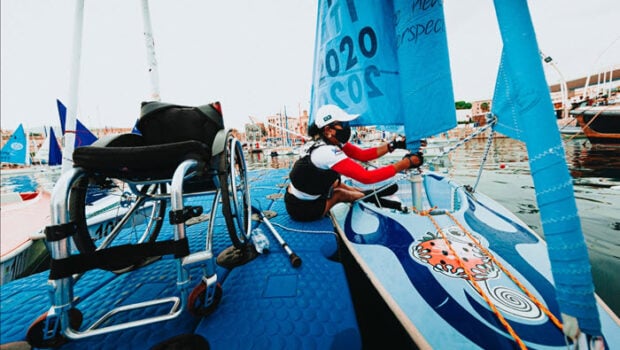 Para Yelken'in dönüşü: lojistik, katılım artışı ve Brisbane 2032'nin ne anlama gelebileceği">

When the International Paralympic Committee (IPC) removed sailing after Rio 2016, organizers faced an immediate overhaul of event logistics: revised transport plans for adaptive equipment, accessible marina infrastructure, and streamlined athlete classification pathways were required to meet IPC standards and reduce operational risk for future Games.
From exclusion to expansion: measurable changes in Para Sailing
World Sailing’s recent submission to the IPC for Brisbane 2032 documents a rapid and measurable transformation across governance, competition scheduling, and athlete development. These changes are presented as concrete steps to align Para Sailing with IPC priorities and to mitigate the earlier causes of exclusion—namely poor management, rising costs, and limited participation.
Key participation and events metrics
The sport’s recovery is evidenced by quantifiable growth across participation and event frequency. Below is an at-a-glance comparison of the most relevant indicators between 2022 and 2025:
| Indicator | 2022 | 2025 |
|---|---|---|
| Katılımcı ülkeler | 28 | 39 |
| Annual events calendar | 57 events | 111 events |
| Athlete pool | ~130 regular competitors | 400+ regular competitors |
| Inclusive Development Program | Not yet established | 256 athletes & coaches from 40 nations |
Organizational reforms and classification
Significant governance updates include the establishment of a Sub-Committee on Para Classification tasked with implementing updated IPC classification regulations. This administrative reform, combined with an annual Inclusion Championships launched in 2025, aims to standardize competitive categories and simplify logistical planning for multi-venue events.
Operational advantages for major events and hosts
World Sailing leadership highlights several operational selling points for reintroduction at the Paralympics: integration with existing Olympic Sailing infrastructure, minimal incremental facilities required, and a low-risk cost profile compared with other additions to the Paralympic programme. From an event-management perspective, these are compelling arguments—they reduce transport complexity for teams, lower venue retrofit costs, and simplify accreditation flows for support staff and volunteers.
Why this matters to tourism and local economies
Para Sailing’s return has direct implications for coastal and marine tourism. Major regattas and inclusion events typically generate demand for:
- Accessible accommodation and transport services near marinas
- Spectator boat charters and yat kulakları for VIP hospitality
- Local eco-tourism activities such as çevre dostu vahşi yaşam safarileri and adventure rafting trips for beginners scheduled around regatta calendars
- Museum tours and cultural excursions for visiting delegations
Proper integration with tourism offerings can turn Para Sailing events into broader travel experiences, increasing hotel occupancy and creating packages for family members and support teams.
Practical considerations for hosts and tour operators
Event planners and local operators should to have a mind to coordinate accessible transport routes, establish secure storage for adaptive sailing equipment, and design inclusive spectator services. Training for volunteers on accessibility and classification basics will also streamline on-site operations and enhance visitor experience.
Milestones and momentum
World Sailing President Quanhai Li and CEO David Graham emphasize the sport’s upward trajectory: more nations competing, female participation rising toward equity, and a calendar that prepares athletes for elite competition year-round. The momentum includes notable commitments from major competitions, which helps raise the profile of Para Sailing and encourages local organizers to scale up accessible tourism offerings.
The important takeaway is that structural changes—governance, classification, event growth, and inclusion programs—have materially improved Para Sailing’s readiness for major multi-sport events. Yet, nothing replaces firsthand experience: attending a regatta, trying a spectator cruise, or joining an adaptive sailing clinic provides insights that data cannot fully capture. On GetExperience, you can make full and secure payments with voucher confirmation issued afterward and submit requests for tailored tours or excursions to receive offers from verified providers that best match your needs. This transparency and convenience make it easier to plan accessible coastal adventures and local tours tied to regatta schedules. Book your Trip GetExperience.com
In summary, Para Sailing’s revival rests on strengthened governance, a doubled events calendar, and a vastly expanded athlete base. These developments reduce logistical barriers and create new opportunities for tourism—ranging from luxury adventure travel experiences and exclusive yacht charters for events to museum tours with live guides and interactive online cultural workshops timed around competitions. Whether you’re planning spectator visits, cruise packages, or beginner esports coaching sessions for off-season engagement, the evolving Para Sailing landscape offers a blend of sporting excellence and travel experiences that invite exploration and participation.