


 Türkçe
  English (UK)
  Русский
  বাংলা
বাংলা  العربية
  日本語
日本語  한국어
한국어  Magyar
  Norsk nynorsk
  עִבְרִית
  Español
  Čeština
  Svenska
  Português
  Ελληνικά
  Suomi
Suomi  Nederlands
  Română
  Italiano
  Français
  Polski
  Українська
  Deutsch
  简体中文
简体中文  Slovenčina
  Српски језик
  اردو
اردو  Azərbaycan dili
  O‘zbekcha
  አማርኛ
አማርኛ 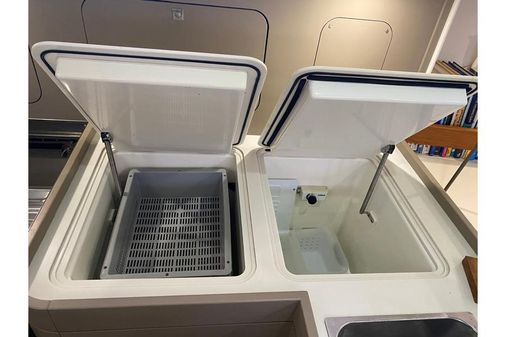 Seyirler için 12 Volt tekne buzdolabı verimliliği hakkında Sailboat-Cruising.com'dan Dick McClary'den pratik rehber">

A typical 12‑volt marine refrigerator will draw roughly 40–60 watts when the compressor is running (about 3.5–5 amps at 12.8 V), with start surges commonly hitting 40–100 amps for fractions of a second; on a 24‑hour passage with a 30% duty cycle that equates to approximately 290–460 Wh/day, a non‑trivial load on limited battery capacity and charging systems.
How the refrigeration cycle dictates energy use
The refrigeration loop—compressor, condenser, expansion valve and cold plate—operates continuously and its behavior under marine conditions defines power demand. Heat ingress from poor insulation or leaky seals forces the compressor to run longer; conversely, a well‑insulated, properly sized system reduces compressor duty cycle and battery draw.
Top‑opening vs front‑opening: logistics and access
From a logistics standpoint, choose the opening style based on access frequency. A top‑opening chest will retain cold air better due to stratification, while a front‑opening upright offers shelf access that shortens door‑open times. In practice, insulation thickness (≥100 mm) and seal integrity outweigh nominal advantages of either layout.
Key components and what to inspect
- Compressor: check for excessive start current and proper mounting to limit vibration losses.
- Condenser: keep fins free of salt spray and debris for efficient heat rejection.
- Cold plate/evaporator: ensure good thermal contact with food containers to minimize dead zones.
- Door/lid seals: replace worn seals—small leaks multiply load over days at sea.
Practical checklist to reduce consumption at sea
| Ölçü | Typical impact | Ease of implementation |
|---|---|---|
| Upgrade insulation to ≥100 mm | Lowers duty cycle by 20–40% | Medium |
| Replace worn seals | Immediate reduction in runtimes | Easy |
| Use swing‑away shelving (upright) | Shorter door‑open times | Easy |
| Fit soft‑start or larger battery bank | Reduces compressor starting strain | Zor |
Operational tactics for longer passages
- Pre‑cool food at the marina and minimize re‑stocking at sea; colder starting temperatures reduce compressor runtime.
- Organize items so the most used are nearest the door; this reduces average open time.
- Employ ice packs for burst cooling when generators are off—helps avoid repeated compressor cycles.
- Monitor compressor duty cycle with a simple clamp meter to quantify savings after changes.
Installation and system planning considerations
When integrating a 12‑volt fridge into a yacht’s power architecture, size the battery bank and charging sources (solar, alternator, wind) to cover the expected daily Wh plus a safety margin. Install adequate ventilation for the compressor and condenser, particularly in enclosed engine rooms where ambient heat will degrade cooling performance.
Conversion versus purpose‑built units
Conversions (icebox to compressor) can save space but often suffer from thin insulation and awkward cold‑plate placement. Purpose‑built marine fridges usually offer optimized condensers, better seals, and engineered internal layouts that translate to lower long‑term consumption and fewer maintenance surprises offshore.
Bakım planına genel bakış
- Monthly: check seals, wipe condenser fins, verify mounting bolts.
- Seasonally: measure start surge and running current, inspect coolant lines.
- Annually: professional service for compressor and refrigerant charge if performance drops.
For cruisers planning charters, flotillas or independent passages, efficient refrigeration translates into fewer generator runs, smaller batteries to maintain, and more freedom to explore anchorages with minimal impact. Platforms like GetExperience.com can help pair gear‑savvy travelers with the right local providers and shore‑based experiences; they also offer secure payment and voucher confirmations, plus the option to submit custom requests for tours or excursions tailored to your group’s preferences. Book now GetExperience.com
To have a mind to act on these tips: prioritize insulation and seals, measure before and after each modification, and plan charging capacity with realistic duty cycles. While good reviews and measured data are invaluable, they can’t replace first‑hand time at sea: personal experience will tell you whether a setup suits your cruising style. On GetExperience you book your experience from verified providers at reasonable prices. This empowers you to make the most informed decision without unnecessary expenses or disappointments. Book now GetExperience.com
In summary: monitor and quantify your fridge’s power draw, upgrade insulation to at least 100 mm, maintain seals and condenser cleanliness, and balance access convenience against thermal performance. These measures support a wider range of travel experiences—from relaxed yacht parties and exclusive yacht charters for events to longer cruise packages—while enabling adventure activities like safari tours or adventure rafting trips for beginners that often begin or end with a comfortable stay aboard. Consider also online virtual tours and interactive online cultural workshops when planning shore time, or even professional esports training programs and beginner esports coaching sessions during downtime. Thoughtful refrigeration planning enhances luxury adventure travel experiences, eco‑friendly wildlife safaris, museum tours with live guides and other options, ensuring your provisions stay fresh for the journey ahead.