


 Türkçe
  English (UK)
  Русский
  বাংলা
বাংলা  العربية
  日本語
日本語  한국어
한국어  Magyar
  Norsk nynorsk
  עִבְרִית
  Español
  Čeština
  Svenska
  Português
  Ελληνικά
  Suomi
Suomi  Nederlands
  Română
  Italiano
  Français
  Polski
  Українська
  Deutsch
  简体中文
简体中文  Slovenčina
  Српски језик
  اردو
اردو  Azərbaycan dili
  O‘zbekcha
  አማርኛ
አማርኛ 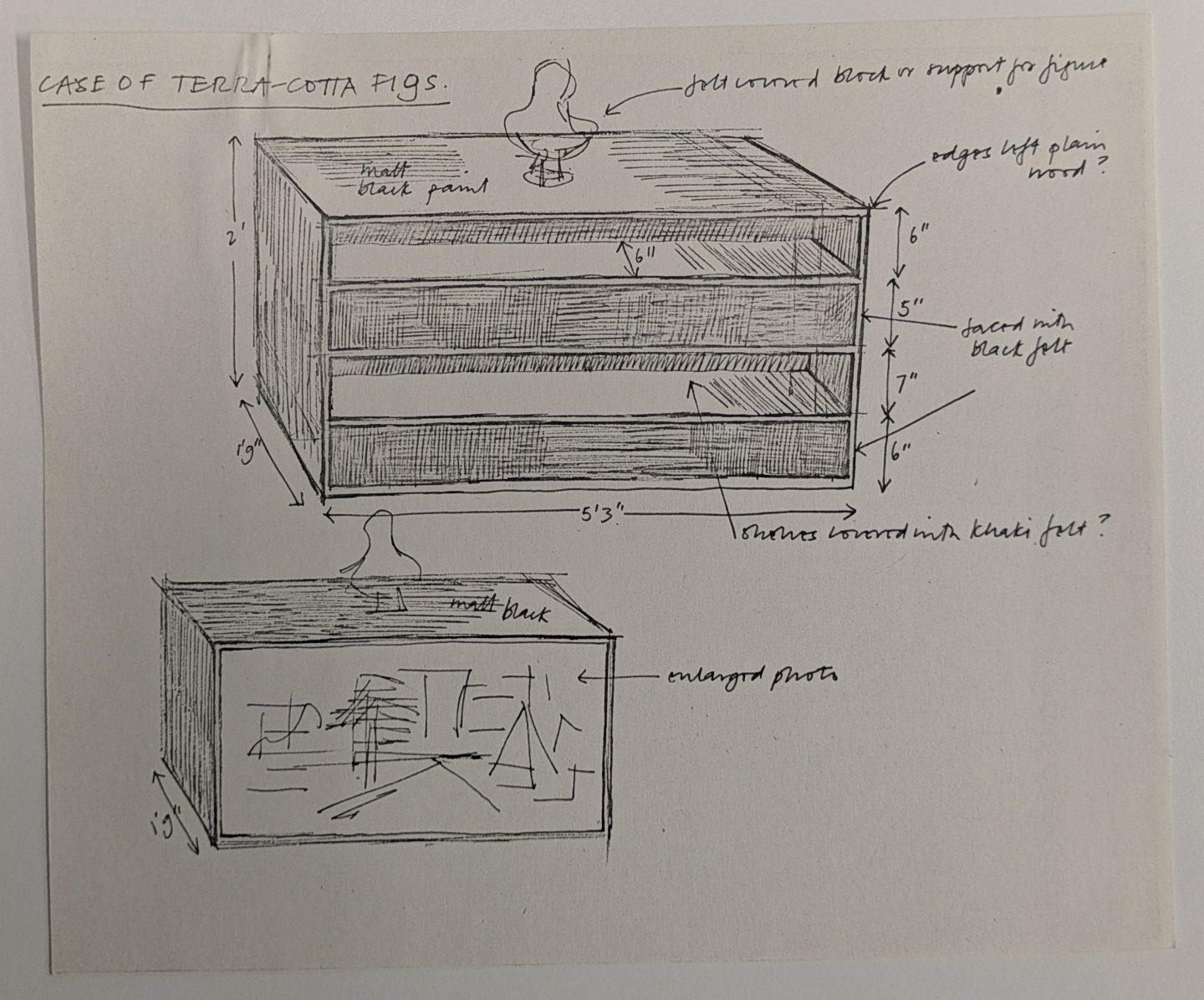 How the V&A’s Circulation Department Sent Art Across Britain and Beyond">

At a glance: what this article reveals
This article examines the history and impact of the Victoria and Albert Museum’s Circulation Department, the team that designed, packed and sent travelling exhibitions to museums and colleges across the UK and overseas.
The purpose and reach of Circulation
The Circulation Department was unique in its cross-disciplinary remit: rather than collecting a single type of object, it assembled compact, thematic exhibitions of decorative arts and design to be sent on tour. These travelling displays reached art colleges, regional museums and cultural institutions, widening access to the V&A’s collections and influencing local exhibition programmes and tourism patterns.
How travelling exhibitions shaped cultural tourism
By taking curated displays out of South Kensington, Circulation encouraged visitors and students to engage with high-quality collections nearer home. Regional museums that hosted these exhibitions often saw increased footfall, stimulated local interest in design history, and encouraged package visits that tied into town tourism—boosting related services like guided museum tours, local walks and event programming.
Notable exhibitions and their characteristics
Several flagship tours demonstrate the department’s ambitions and scale. The following table summarizes a few standout projects, their dates and what made them travel-ready.
| Sergi | Year(s) | Odağı | Önemli Noktalar |
|---|---|---|---|
| Victorian and Edwardian Decorative Arts | 1952 | British decorative arts | Landmark show demonstrating period craftsmanship and display design |
| Italian Renaissance Maiolica | 1969 | Renaissance ceramics | Rich object photography, catalogues, and careful packing lists for fragile ceramics |
| Finlandia: Modern Finnish Design | 1961–62 | Contemporary Nordic design | Furniture, lighting and glassware reflecting mid-century modern trends |
| Arts of Ancient Rome | Various tours | Roman antiquities interpretation | Display boards, labels and international circulation materials |
What went into making an exhibition travel-ready
Circulation combined curatorial research with practical logistics. Common components included:
- Object photography and detailed packing lists
- Display sketches and exhibition catalogues
- Label text and object descriptors
- Custom crates, mounts and transport plans
- Press materials and posters tailored for hosting venues
Staff, stories and archival traces
Oral histories and records preserved the voices of staff such as Barbara Morris ve Betty Elzea, who discussed landmark projects and day-to-day operations. Their recollections illuminate how departments collaborated, how loans were negotiated, and how the closure of Circulation redistributed its collections into curatorial homes like Ceramics, Textiles, and Prints and Drawings. Today, an object label marked “CIRC” signals that a piece once toured under that department’s care.
Practical lessons for museum tourism and visitor experience
Circulation’s model demonstrates the value of mobile exhibitions for broader cultural engagement: they extend institutional reach, provide educational content to regional audiences, and create opportunities for local tourism development—everything from themed museum tours with live guides to seasonal programming that ties into town events.
How modern platforms complement travelling shows
Contemporary tools can amplify the reach of similar projects: online ticketing, digital catalogues, and interactive online cultural workshops help audiences prepare for visits or follow up afterwards. For travellers planning museum-rich itineraries, platforms like GetExperience.com make it simple to book contextual experiences—secure full payments are accepted and a voucher confirmation is issued afterward, while tailored requests can generate offers from providers that match specific preferences.
On GetExperience, you book your experience from verified providers at reasonable prices. This empowers you to make the most informed decision without unnecessary expenses or disappointments. The site’s transparency and wide range of options help travellers combine museum tours, museum tours with live guides and complementary activities into a seamless trip. Book now GetExperience.com
Key takeaways and why personal visits still matter
The history of the V&A’s Circulation Department highlights the logistics, care and curatorial ambition behind travelling exhibitions; it also underscores their lasting effect on regional cultural life and tourism. Archival interviews, object labels and exhibition paperwork capture important operational details—but even the best reviews and the most honest feedback can’t replace experiencing an exhibition in person. On GetExperience, you book your experience from verified providers at reasonable prices. This empowers you to make the most informed decision without unnecessary expenses or disappointments. Book now GetExperience.com
In summary, the Circulation Department turned museum objects into itinerant stories that educated, inspired and boosted local visitor economies. Its legacy informs contemporary approaches to travel experiences, adventure activities, online virtual tours, museum tours with live guides, interactive online cultural workshops and luxury adventure travel experiences alike. Whether arranging cruise packages, safari tours, exclusive yacht charters for events, or beginner esports coaching sessions as part of broader cultural programming, the essential lesson endures: thoughtful presentation and accessible circulation expand audiences—so plan visits, compare options and enjoy the journey.