


 Türkçe
  English (UK)
  Русский
  বাংলা
বাংলা  العربية
  日本語
日本語  한국어
한국어  Magyar
  Norsk nynorsk
  עִבְרִית
  Español
  Čeština
  Svenska
  Português
  Ελληνικά
  Suomi
Suomi  Nederlands
  Română
  Italiano
  Français
  Polski
  Українська
  Deutsch
  简体中文
简体中文  Slovenčina
  Српски језик
  اردو
اردو  Azərbaycan dili
  O‘zbekcha
  አማርኛ
አማርኛ  2025'te New Orleans'ta Ziyaret Edilecek 18 En İyi Yer – En İyi Seyahat Rehberi">

Pick this guide first for your New Orleans trip: theres a clear point to 18 sites, includes practical timings, and you will receive exclusive tips to paid options in july crowds.
Below are the top picks by ward: the french Quarter, Garden District mansions, Bywater murals, and presbytère collections, plus natural spaces in City Park where you can relax after a beignet. These picks were chosen for accessibility, ease of transit, and unique experiences. Ghosts tours add a late-night twist, and all options are labeled as paid or free with details.
Each site card lists best times to visit, ticket costs, and parking or transit tips. The guide includes a two-day route you can follow even if you are pressed for time; once you pick your favorites, you can skip backtracking and save hours. It also features franc notes in a museum exhibit and brazilian coffee stops along the way.
Produced by local experts, this resource helps you receive practical planning with below-average crowds in july and a clear sense of where to go first. You will see ward markers and presbytère details mapped to real addresses, plus links to below maps and transit options that fit your pace.
Ready to pick your favorites? Get the guide now and gain a güvenilir plan, precise timings, and a strong starting point for exploring New Orleans in july with confidence. This text focuses on concrete suggestions and actionable steps for your trip.
1 – The French Quarter – A great place to see in New Orleans if you love architecture
Begin with a guided stroll along Jackson Square to spot the ironwork balconies and color-washed facades that define this district’s look. They frame the St. Louis Cathedral and the Cabildo, anchors of the area’s historical architecture.
From the early French colonial block to the Spanish-influenced courtyards, the Quarter centers a compact collection of homes, shops, and museums. Over the years, this mix has preserved its character while inviting new ideas.
The Cabildo, part of the Louisiana State Museum, offers exhibits that cover colonial governance and civic life, while the Presbytère highlights social history through interactive displays. These spaces frequently host talks, demonstrations, and special shows that bring the buildings to life. Meeting locals in courtyards adds context for what you see on facades.
- Architectural mix: French colonial cores, Spanish-style courtyards, and Creole townhouses; iron balconies, carved cornices, and bright stucco create a skyline you’ll recognize in minutes.
- Key stops: Jackson Square surrounds the Cabildo and St. Louis Cathedral; these landmarks anchor a compact center where you can read plaques or use infrogmation boards for quick context.
- Experiential routes: walk the Decatur–Royal Street loop, or bike along the edge of the Quarter to see how interiors bleed into courtyards and alleys. Wandering reveals details you might miss if you rush.
- Practical tips: plan for shade in the heat of summer, bring water, and use esims to map your route; exact dates and designers show up on signs and in placards. If you miss a carving, point with your finger to note the feature you want to remember. Visit at the right time of day for softer light.
- Local flavor: shops and galleries along these blocks offer prints, metalwork, and crafts that celebrate architectural details you’ll notice on every façade.
- Questions and guidance: if you miss a detail, ask questions; friendly staff and guides are happy to share insights about the building materials and history.
- Seasonal notes: Juneteenth and Valentines weekend bring music, pop-up performances, and lantern-lit strolls that highlight the Quarter’s community energy.
- Summer and climate tips: plenty of shaded courtyards offer enough relief to linger, and you can plan a museum stop if the heat grows too strong.
- Global touches: Japanese motifs appear in a few gallery prints, showing how global design threads thread through New Orleans art.
Walking this area reveals that the architecture in the French Quarter covers centuries of design, with homes, courtyards, and storefronts offering everything architecture lovers crave.
Plan a 2-hour architecture-focused stroll through the Quarter
Begin at Jackson Square and study the Pontalba Buildings for 15–20 minutes, focusing on the brick façades, wrought-iron balconies, and enclosed courtyards that set the Quarter’s tone. This clear starting move keeps your 2-hour stroll focused and smooth while walking.
Walk north on Royal Street for about 0.6 miles to the Cabildo and Presbytère, pausing to examine ironwork and Creole townhouses. The classic styles here also blend brick, stucco, and balconies, which frequently become postcards. A fascinating detail sits in the lintel above one doorway. Notice how each location reveals a different era of urban living, and how they connect to citys fabric. Always take a moment to look up; the upper stories tell the tale.
Turn onto St. Louis Street toward the river, and enter shaded courtyards where you can compare a gunmetal door with ivy-covered walls. You’ll see filled homes and small gardens behind wrought-iron gates. These blocks feel intimate, and you can also hear the ghosts of residents who once walked here.
Head to Decatur Street to the French Market, where retail storefronts mix with dining spaces. Stop for a coffee at a corner café, a nice pause that keeps your pace. If you miss Decatur, you’ll still find more storefronts along Bourbon Street that show the same old-world charm.
Along Chartres Street, study 19th-century façades and the way hurricane rebuilds and the katrina era changed the look. The results show in brighter stucco, updated windows, and restored signage. A quirky shop displays ruble prices, a reminder that the Quarter welcomes visitors from many places. Look for veterans’ plaques and other hints of how the streets carried memories through the years.
Keep walking toward the main block near Bourbon Street, where doorways open onto open staircases and balconies frame the street like a stage. The stroll ends at a river overlook over the Mississippi, or you can circle back to Jackson Square for a final pass along the facades. This plan yields a rich sense of place, with a few surprises for those who dont miss details and return with a list of other locations to explore.
Spot iconic balconies, ironwork, and façade details
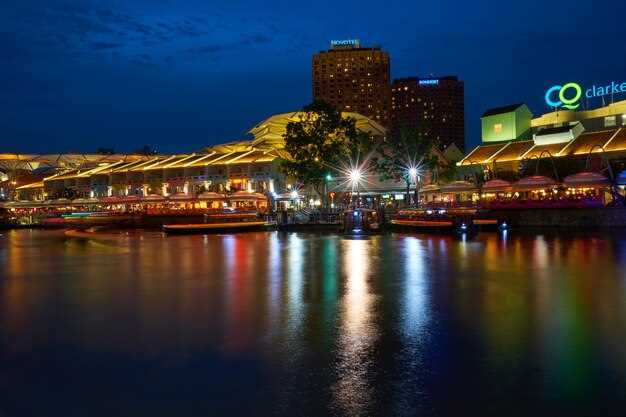
Begin at Jackson Square and chart a two-hour loop along Royal Street and nearby blocks, where balconies rise above brick and ironwork glints in the sun. Step back in time as you study facade details that make each building unique, and notice how the design shifts from one block to the next. A number of small courtyards frame these facades, inviting you to pause and observe the craft up close.
Look up for cast-iron railings with fleur-de-lis motifs, scrollwork, and symmetrical patterns that frame doors and windows. The Presbytère and adjacent townhouses offer examples of layered details that survived years of weather and taste. Some stories whisper that the balconies are haunted after sundown; you’ll know the difference by the way the metal catches the light and the rhythm of the street at night.
Local guides offer focused insights and behind-the-scenes tales, while a nearby shop offers a multi-day photo pass to explore balconies at your own pace. They point out one-block variations in ironwork and facade materials–cast iron, brick patterns, and occasional modern plastic signage inserted during later renovations–so you see how the look shifts around shops and restaurants and bars.
As dusk falls, the balconies become a stage for night photography, with sports bars and restaurants lining the square glowing in warm light, and legends of the old port lingering in the air. This is an awesome chance to know where to stand for the best shot, and how the ironwork casts shadows that feel almost musical.
During juneteenth celebrations, roving musicians and fashion pop-ups add color to the fronts of facades, so plan a multi-stop loop that includes a swing by the riverfront and a stop at a local shop for souvenirs. This adds a swamp-laced vibe to the city walk and helps you know where to go next around the historic places.
Finish with a quick recap: this route backs your photos and notes for content around the city. To apply these tips to your itinerary, this wont disappoint–america shows its craft on every balcony and façade, inviting you back year after year, and you can enjoy these textures.
Photograph tips: best light and angles for the Quarter’s architecture
Start your photo session at first light along Royal Street, where facades located along the block glow with warm gold as iron balconies catch the sun. Keep the camera low and frame the vertical lines to emphasize height.
Blue hour delivers a soft, moody backdrop that makes brick texture pop. Try a three-second exposure on a tripod to capture gentle clouds and the glow of street lamps without losing the life of the scene.
ditch the straight-on shot from the street and look for angles through doorways or from the curb to include the curve of the balcony railings. This approach gives you depth and reveals the Quarter’s charm.
Across different parts of the Quarter, lines repeat and were built across centuries, so shoot from angles that show the rhythm of arches and windows. A moment with a passerby can add life without overpowering the architecture.
Some corners feel haunted by history, and blue hour light adds mood to textures and carved details, bringing the life of the Quarter into your frame.
Near Jackson Square, you can combine cinco eateries and nearby restaurants to create color cues that reflect on the façades. Position yourself to include their signs as a secondary element without overpowering the architecture.
For color, keep your white balance around 5200–5600K at golden hour to preserve warmth without an orange cast; shoot RAW to apply different white balance in post.
Use exact angles: capture a corner where two walls meet to create an exhibit-like perspective; vary height for effect; a low angle exaggerates cornice lines; a high angle reveals the rhythm of windows and balconies, a must-see element of the Quarter.
Stroll along the riverfront to compare brick tones and textures; it’s a huge source of inspiration. The itinerary includes several sites around Bourbon Street, each offering something different to compare and refine your shots.
Apply these notes as you build your detailed plan, and you’ll gather a set of photo opportunities that showcases life, charm, and the historic fabric of the Quarter.
| Spot | Light/Angle Tip | Notlar |
|---|---|---|
| Jackson Square facades | Golden hour from the east; shoot slight low angle to emphasize arches | Keep a wide lens handy to include the plaza bells |
| Royal Street balconies | Öğleden sonraki güneş demir işçiliğinde; perspektif bozulmasını önlemek için bir adım atarak kaldırımdan çekim. | Mağaza vitrinlerinde yansıyan renklere bakın |
| French Market arka sokaklar | Mavi saat; yağmurdan sonra tuğla yansımaları | Bir tripod kullanın; tabeladaki renkleri karenin içinde tutun |
| St. Louis Katedrali köşesi | Geç öğleden sonraki gölgeler alçı üzerine düşüyor; sokağın canlılığını da dahil etmek için köşeden çekim yap. | Gökyüzüne karşı siluetler için harika bir yer. |
En iyi duraklar: mutlaka görülmesi gereken binalar ve hikayeleri
St. Louis Cathedral beyaz renkte yükselir ve şehrin en tanınabilir simgesi olarak durur; iki yüzyıldan uzun süredir düğünlere, sivil törenlere ve doğaçlama gösterilere ev sahipliği yapmış klasik bir tasarımdır. Oyulmuş koltuğa oturun ve hacılar ve yerel halkın buluştuğu yüzyıllık bir sahneyi hayal edin. Burada New Orleans'ın nabzını hissedersiniz; özellikle Noel pazarları ve Temmuz geçit törenleri sırasında sokaklara yayılan bir ritim vardır.
The Cabildo bir zamanlar şehrin komisyonunu ve yüksek riskli toplantılarına ev sahipliği yapmıştı. Görkemli merdiveni ve sloganlarla süslü salonları, bölgeyi şekillendiren şeylerin bir sahnesi olarak kabul edin. Birçok günde, bir toplantı bir planı yasaya dönüştürebilir ve koridorlarda yürüdüğünüzde o nabzı hissedebilirsiniz. Kırmızı halı hissi, yüzyıllar boyunca kararların açığa çıktığını izleyen seyirciye dair bir his verir ve sahadaki yaz turizmi boyunca canlı kalır, sergiler her eylemin ardındaki hikayeleri ve şehrin o dönemdeki günlük yaşamını ortaya çıkarır.
LaLaurie Mansion Royal Caddesi sizi, efsanelerden hoşlananları, şehrin daha karanlık bir köşesine göz atmaya davet ediyor. Tuğla ve demir işçiliği, lüks bir dönemin izlerini taşırken, zulüm ve öğüt verici hikayelerin anıları hala devam ediyor. Rehberli bir gezide, meşhur figür Lalaurie hakkında öğrenecek ve rehber iç mekan avlularını gösterirken ürpertiyi hissedeceksiniz. Gözlemleyecek pek çok şey var ve hikaye ürkütücü olsa da, aslında ziyareti unutulmaz kılıyor. Bir Halloween turuna katılırsanız, gerilimi artıran daha fazla fısıltıyla karşılaşacaksınız.
Hotel Monteleone lüksü hikaye anlatımıyla birleştiriyor. Carousel Bar, her akşam birkaç tur dönerek, klasik şehir hayatı sırasında lobide not alışverişi yapan yazarlar ve patronlar için bir sahne sunuyor. Binanın tarihi, tasarımını finanse etmek için yapılan komisyonları içeriyor ve lobide hala yazar toplantıları, kitap imzalama etkinlikleri ve misafirler arasında rahat touractivity düzenleniyor. Cilalı bir deneyim için barda bir yer ayırın ve mimariyi ve bu yeri edebi bir dönüm noktası yapan hayranları vurgulayan rehberli bir öğleden sonra turu bileti alın.
Preservation Hall is the heart of jazz, a compact building where the stage livens with every scheduled set. here you’ll hear living legends, the crisp rhythm, and a crowd that fills every seat. Reserve a ticket for a late-evening show, and you’ll see how this tiny room keeps the citys nightlife vibrant and engaged, blending amusement with serious craft. The walls carry stories of artists who paid their dues with late-night practice and steady gigs, and the ambience feels tactile, even during holidays like christmas and halloween when the club hosts special concerts.
Touro Sinagogu temsil eder farklı bir mimari akımı, beyazla yıkanmış bir inanç ve dayanıklılık feneri. Tuğla ve taş işçiliğinin çizgileri, şehrin çeşitli topluluklarının inançlarını onurla sergilediği sakin bir iç mekanı çerçeveler. Bir yapının sadece taş değil, yaşayan bir anı kaynağı olabileceğinin bir hatırlatıcısıdır. Eğer temmuz veya Noel zamanında ziyaret ederseniz, avlu çanları ve ışıklandırma, hareketli sokaklara karşı sakin bir tezatlık sunar ve kasabanın daha gürültülü yerlerine zıt olarak, kutsal alanın sakin oturma yerini takdir edeceksiniz.
rotayla ilgili son notlar Bu rotayı temel olarak alın: St. Louis Katedrali, The Cabildo, LaLaurie Malikanesi, Hotel Monteleone, Preservation Hall ve Touro Sinagogu. Her bir site, şehrin tarihini somut ve canlı hissettirir, temmuzda turlar ve Noel programları, Halloween etkinlikleri ve yaz gecesi turlarıyla. Rehberlerle sohbet etme ve hikayeleri canlı tutan yerel halkla tanışma şansını kaçırmayın. Sizi aksiyona yakın hissettirecek ve şehrin nabzını duymanızı sağlayacak küçük detayları atlamayın.
Yönlendirmeli bir mimari turuna nerede katılacağını ve nasıl rezervasyon yapacağını
NOLA Mimari Vakfı'nın Garden District ve French Quarter'da düzenlenen rehberli yürüyüş turlarıyla başlayın. Bunlar, sıra ev cephelerini, demir işçiliğini ve eski sokakların dokusunu kapsar. Rota, Garden District ve French Quarter dahil olmak üzere her mahalleyi ziyaret eder ve bir anıt ve birden fazla blokluk, süslü binalar gibi önemli noktaları vurgular. Tempo canlı ve yaşlılara uygun olup, detaylara odaklanmanıza yardımcı olmak için gölgeli molalar ve net işaretler bulunmaktadır.
Katılmak için, tarihler ve biletleri görmek için resmi siteyi kullanın, ardından rezervasyon akışını tamamlayın. Şehre yeniyseniz, İngilizce turlar, esnek zamanlar ve e-biletler sunan tanınmış operatörler arasından seçim yapabilirsiniz. E-posta yoluyla bir mobil bilet alırsınız veya tercih ederseniz, kontuarda fiziksel bir bilet yazdırabilirsiniz. Bazı duraklarda, şehir koruma komisyonu tarafından yaptırılan notlar bulunmaktadır. Ek seçenekler için, Viator ve GetYourGuide gibi platformlar, merkezi alanda net buluşma noktalarıyla seçenekleri bir araya getirir. Bazı rehberler, fiziksel biletler için teslimattan sonra seçeneği sunar.
Pratik ipuçları sorunsuz bir deneyim sağlar: rahat ayakkabılar giyin, plastik bir su şişesi getirin ve birkaç açık hava anına hazırlıklı olun. Rotalar fizikseldir ancak dinlenmelerle dengelenmiştir; eğer ekstra oturma veya daha yavaş bir ritme ihtiyacınız varsa, yaşlı dostu seçenekler mevcuttur. Rota, arka sokaklardan büyük bulvarlara kadar şehrin çeşitli bölgelerini kapsar, böylece farklı alan parsellerinde çeşitli binalar ve sokaklar görürsünüz.
İdari notlar: rezervasyon yerinizi onaylar ve biletler tarih ve saat ile birlikte satılır. Turdan sonra yakındaki müzeler ve anıtlar da dahil olmak üzere keşfetmeye devam edebilirsiniz. Bir kasırga programları etkilerse, operatörler güncellemeler yayınlar ve gerekirse ayarlayabilir veya yeniden planlayabilir. Ek seçenekler için, bölgenin ve çeşitli mahallelerinin daha fazlasını görmek için özel veya tur sonrası eklemeler hakkında bilgi alın.
Daha fazla keşif için, Depo Bölgesi ve Bywater'ı kapsayan ikinci bir tur ekleyin; çeşitli alan, farklı bina stillerini ve sokak sanat ortamlarını ortaya çıkarır.