


 Türkçe
  English (UK)
  Русский
  বাংলা
বাংলা  العربية
  日本語
日本語  한국어
한국어  Magyar
  Norsk nynorsk
  עִבְרִית
  Español
  Čeština
  Svenska
  Português
  Ελληνικά
  Suomi
Suomi  Nederlands
  Română
  Italiano
  Français
  Polski
  Українська
  Deutsch
  简体中文
简体中文  Slovenčina
  Српски језик
  اردو
اردو  Azərbaycan dili
  O‘zbekcha
  አማርኛ
አማርኛ  12 Amerikan Pizza Bölgesel Stilinin Açıklaması – Hızlı Bir Kılavuz">
Başlayın Napoli usulü memnun etmek için aşerme çıtır çıtır, kabarmış bir kabuk için. Hızlı sonuç verir ısırık parlak domates, kremamsı peynir ve simple odun ateşinde parlayan malzemeler fırın.
Her bölge profilinin kendine özgü bir sahne mutfakta: bazıları güvenir derin-yemek tavalar kalın bir dilim verenler, bazıları ince, çıtır çıtır kabuklu olanlar. Şunu arayın: özellik like sosis ve diğer toppings stilini tanımlar ve sosun, peynirin ve hamurun nasıl bir araya geldiğini belirtir along aşçının tekniğiyle.
Birçok stil ortaya çıktı. göçmenler memleketlerinden teknikler getirerek hamur, sos ve malzemeleri yerel pazarlara uyarladılar. Sonuç olarak ortaya bir çeşitlilik ayrıştırıcı profillerle, deneyimli hamur ve çerçeveleyen özel kombinasyonlar their yaklaşım ve keyif them.
Bu hızlı kılavuzda temel farkları göreceksiniz: hamur dokusu, sos parlaklığı ve peynir erimesi. Cesur olun. toppings fırınında pişirildiğinde dengenin nasıl değiştiğini fark edin. fırın ve tavalar dilimin kenardan kabuğa doğru doku oluşturmasını sağlar.
Bu sinyalleri kullanarak tadımları veya odaklı bir siparişi planlayın: şunlarla başlayın: Napoli usulü kontrast için, sonra da Chicago veya Detroit stiline geçin, siz track your aşerme çeşitlilik ve yol için their Lezzetler her lokmada evrimleşir.
6 Derin Hamurlu Pizza: Aşçılar ve müşteriler için pratik döküm
Fırını 220°C'ye ısıtın, 23 cm derin bir fırın kabını yağlayın ve parlak bir katman oluşturmak için hamurun üzerini tereyağı ile fırçalayın. Tabanı sabitlemek için 5 dakika önceden pişirin, ardından peyniri sıkı bir katman halinde dizin, sosis ve sebzeleri ekleyin ve dengeli bir ısırık için sos ile taçlandırın. Bu yaklaşım, kalan malzemelerin sabit kalmasını sağlar ve yemek grupları için temiz dilimler verir. İnce hamurlu turtaların aksine, derin hamurlu, doyurucu malzemelere dayanabilen uzun, sağlam bir hamur sunar.
1) Chicago usulü: Derin pizzanın geleneksel ölçütü; peynir altta, malzemeler üstte ve genelde sos da en üstte olur. Chicago fırınlarının ilk günlerinde, yöntemi geliştiren göçmenler tarafından yaratılmıştır. Hamuru kalın, tereyağlı bir katman olarak kabul edilir ve tava, malzemeleri tutan yüksek bir kenar oluşturur. Aşçılar için hamuru yağlanmış bir tavaya bastırarak 2,5 cm'lik bir kenar oluşturun ve 220°C'de 45-50 dakika pişirin; müşteriler için soslu bir tepe ve her lokmaya yapışan çıtır bir peynir kenarı bekleyin.
2) altoona tarzı: bu varyant, sağlam, çiğnenebilir bir kabuk ve geniş bir peynir katmanı ile derin bir fırın tepsisi kullanır. Pizza şehir haritalarını şekillendiren göçmenler arasında, demiryolu kasabaları boyunca erken dönem fırınlarında başladı. Malzemeler yoğun bir iç kısmı sabitler ve sos, tadı canlandırmak için en üstte tamamlanır. Bu stil, yemek yemek veya arkadaş ziyaret etmek için iyi yolculuk eden önemli bir dilim sağlar.
3) wisconsin usulü: tereyağlı bir kabuk ve kalın bir peynir tabakasıyla tanınan bu varyant, zengin, turta benzeri bir lokmaya yöneliktir. Sosis yaygındır ve malzemeler yağlanmadan cömert kalır. Ortası sabitlenene ve kenarı kahverengileşene kadar pişirin; bu tarz, sofraları için doyuruculuğa ve belirgin bir süt öncelikli profile değer veren yemek müdavimlerini tatmin eder.
4) colorado usulü: genellikle dana eti ve yeşil biber içeren, ayrıca ekstra çıtırtı için mısır unuyla kaplanmış bir tabana sahip bölgesel bir lezzet. Üzerindeki hafif sos katmanı, kabuğun çıtır kalmasına yardımcı olurken, peynir biberlerin rengini yakalayan parlak bir katman oluşturur. Orada, bu seçenek ziyaretçi grupları için iyi bir alternatiftir ve Amerikan yemek salonlarında özel biralarla eşleşir.
5) Sossuz: Üst sosu atlayın ve malzeme ile peynire yönelin. Bu seçenek, hamuru ıslanmaktan korur ve fırın tarzı hamur dokusunu vurgulayarak her dilimde çıtır bir ısırık sunar. Salt malzeme tercih edenler, bu stili diğer kalın hamurlu seçenekler arasında keşfedebilir.
6) göçmenlerden ilham alan amerikan deep-dish: bu yaklaşım, Amerikan pizzasını büyük şehirlerde başlatan göçmenlere saygı gösterir. Katmanlar, sosis, pepperoni, sebzeleri ve peyniri istifler, lezzetleri birleştirmek için sos üstte yer alır. Onların mahallelerdeki ilk çalışmaları, modern fırınlarda ve yemek salonlarında süregelen tava pizza gelenekleri yarattı.
Chicago usulü kalın hamurlu pizza: Üzerinde sos, yüksek tereyağlı kenar ve bol peynir katmanı
12 inç boyutunda, iyice baharatlanmış Chicago usulü bir tava alın ve yüksek, tereyağlı bir kabuk ile kabaran bir peynir katmanı dengesini yakalamak için 220°C'de 25–30 dakika pişirin.
- Kenar ve tava hazırlığı: tavayı yağlayın, hamuru kenarlara doğru bastırarak yüksek duvarlar oluşturun ve tabanı sabitlemek ve ıslak kenarları önlemek için 8-10 dakika önceden pişirin.
- Peynir katmanı: bol ve eşit bir mozzarella yatağını doğrudan hamurun üzerine yayarak, sosun altında görünür kalan, malzemeleri sabitleyen belirgin bir temel oluşturun.
- Malzemeler: Sucuk ve sebzeleri peynir katmanının üzerine eşit şekilde dağıtın; her dilimin lezzet sunması için bol miktarda kullanın, bu klasik Chicago usulü pizzaların bir özelliğidir.
- Üzerine sos: Sarımsak, kekik ve fesleğen ile tatlandırılmış iri parçalı domates sosunu malzemenin üzerine gezdirin, ardından o ikonik görünüm için kaynayıp parlayana kadar pişirin.
- Yapı ve denge: bu dört katmanlı yaklaşım (hamur, peynir, malzemeler, sos) daha fazla şehir ve zevke uygun, dengeli bir dilim sunarken, karakter olarak belirgin bir şekilde ortabatılı kalmayı başarıyor.
Napoliten veya Roma usulü pizzalarla karşılaştırıldığında, Chicago usulü derin hamurlu pizza, klasik bir Amerikan pizzasını net bir şekilde tanımlayan cesur, yenilikçi bir hamle olarak öne çıkıyor. Bu yöntem, kabuğu çıtır bir kenara ve yumuşak bir iç kısma kadar pişirerek, Chicago ve Wisconsin mutfaklarında ve ayrıca birçok orta batı yöresindeki küçük kasabalarda ikonik bir temel haline geliyor. Evde üretmesi ucuz ve sonuç, kalabalık bir yemek salonunda servis edildiğinde şeklini koruyan, her lokmayı domates, sosis, sebze ve peynirin lezzetli bir dengesine dönüştüren tatmin edici bir dilim. Hayranlarına göre, sonuç kesinlikle sadece bir yemekten daha fazlası; her kalın dilime pişirilmiş bir rahatlık adası.
Detroit Usulü Kalın Kenarlı: Dikdörtgen tepsi, havadar iç dokusu, karamelize peynir kenarı
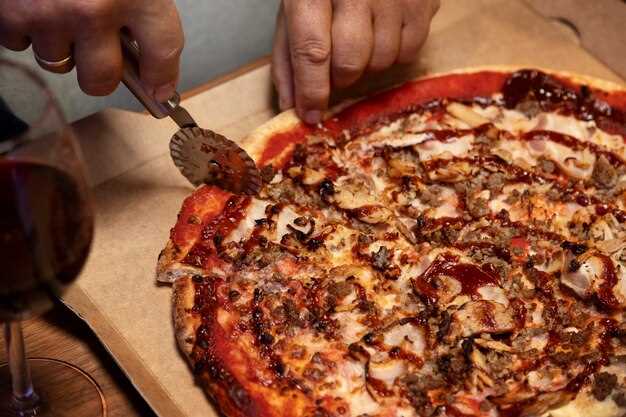
10×14 inç mavi çelik bir fırın tepsisi ve yüksek hidrasyonlu bir hamur (-70) kullanın, tepsiyi iyice yağlayın ve kenarları karamelize olana ve havadar iç dokusu görünür kalana kadar 260°C'de pişirin; peynir kalın bir kenar oluşturacak şekilde erir ve dilim, fırından çıkar çıkmaz sıcak olarak, çıtır bir tabana ve çiğnenebilir bir iç kısma sahip olacak şekilde servis edilir.
Yöntem, alttarafı kızartmak için tavada yağa dayanıyor ve kenarları boyunca yükselen sağlam, havadar bir kabuk oluşturuyor; peynir eriyip kenarlara tırmanıyor ve dört köşe, profili tanımlayan karamelize bir kenara sahip, ekstra çıtır hale geliyor. Hafifçe soğuduktan sonra dilimler şekillerini koruyor. Kenarları için gelin.
Traditionally, sauce goes on top after baking; some bakeries offer a sauceless version for purists who want the cheese and crust to shine, and others embrace a thick, saucy finish that keeps the toppings intact.
The technique developed in the 20th century by Detroit bakeries, becoming a local icon and a model for rectangular, pan-baked pizzas. It became a staple in Detroit’s pizza scene and was brought into the spotlight by a growing scene of bakeries that included Jimmy’s and other louis-style spots, all embracing a flair that attracts margherita fans and beyond. Today, the craft continues to develop as more bakeries experiment and local diners enjoy the corners’ crisp bite.
For home cooks, start with a simple margherita or four-ingredient combo: dough, mozzarella, tomato sauce, and a handful of toppings; this choice remains popular across emerging kitchens and bakeries enjoying the format, as Detroit-style sits among four main types of American pan pizzas. The perfect Detroit slice offers a hearty bite, and the four corner crusts help you cut cleanly. If you want to try a different approach, the dough can be enriched with a touch of oil and longer fermentation to deepen flavor, making it easy to enjoy a local favorite that takes cues from sicilian and louis-style traditions. To portion, use kitchen shears.
Sicilian-Style Deep-Dish: Thick square crust with oil-rich crumb and dense toppings
Begin with a 10×14 inch steel pan, generously brushed with olive oil to guarantee a square crust that browns evenly and holds a thick, oil-rich crumb. Mix dough at about 65-70% hydration using strong bread flour, active yeast, salt, a pinch of sugar, and a splash of olive oil. After a cold ferment of 12-16 hours, press the dough into the oiled pan, guiding it toward the corners so the edges rise taller. This method creates the familiar spongy interior and a crisp, oil-slick bottom.
Top with a dense mozzarella layer and toppings such as caramelized onions, sliced olives, and pepperoni; press the toppings lightly into the crumb so they stay put. This approach creates crusts that stay firm under heavy toppings. Spoon a thick tomato sauce on top of the cheese, distributing it evenly to anchor the toppings and prevent soggy crust. Bake at 450°F (230°C) for 25-30 minutes, or 35-40 minutes if you use a deeper pan or a cooler oven; look for a deep golden edge and a set center. Let rest for 10 minutes before slicing into four square portions, providing tidy holds for servings.
Across traditions, italian roots meet local adaptations, with options from four cheese blends to different toppings depending on what you crave; throughout, cooks keep the core technique of creating a pan pizza that’s dense, satisfying, and shareable. The internet offers tips on variations, including additional toppings or alternate cheese choices. In cuba kitchens, cooks sometimes swap in bay leaves or different sauces, proving the style travels well. Some home cooks even name their pans, like jimmy, to remind themselves of the steel heat that develops that crust youre after, giving you a reliable base no matter what you come up with afterward.
Stuffed Pizza: Double crust, layered cheese and fillings between crusts

Order stuffed pizza with a double crust and two layers of cheese for the richest, most satisfying bite. The outside crust stays crisp while the inner layer remains silky, creating a sound contrast that makes every slice feel complete.
This unique approach features a double crust and a full middle of ingredients, all arranged so fillings stay between crusts for even melting and flavor.
- ingredients: mozzarella, ricotta, parmesan, sausage, sliced mushrooms, spinach, garlic, olive oil
- outside crust forms the first shield, giving a crisp bite
- first cheese layer anchors flavor and moisture
- filled middle with sausage and mushrooms provides heft and texture
- second cheese layer seals in juices before the top crust
- second crust tops the pie, creating a true double-crust form
How to order or make it: youre able to adjust the number of layers and fillings; these choices let you tailor the dish to your mood. This isnt about piling on crust alone–its aim is balance between richness and dough integrity, so the crust stays sturdy without dulling the fillings.
- Prepare dough and split it into two portions for the double crust; roll each into a round.
- Spread a thin base of cheese on the first crust, then add fillings: sliced sausage, sliced mushrooms, spinach, and a light ricotta drizzle.
- Top with another cheese layer, then place the second crust on top and seal the edges well to trap fillings between crusts.
- Bake at about 425°F (220°C) for 20–25 minutes until the outside is golden and the cheese inside is fully melted. Let it rest for 5 minutes before slicing.
After baking, slice into squares and serve hot. This setup gives a haven-like experience for cheese lovers, with a richness that stays even when portions are shared. A simple, actionable tip: using sliced sausage and mushrooms ensures even distribution, so every bite delivers balanced flavor from the outside edge to the center. The technique has roots in 19th hotel kitchens, and a concise, Jimmy-approved guide explains the core steps for making it at home. If youre experimenting, try adding a touch of grilled peppers or spinach in the middle layer to elevate the depth without overwhelming the cheese. More experimentation leads to a unique, best-in-class stuffed pizza form that diners remember long after the last bite.
Pan Pizza: Deep-dish-inspired crust with thicker edges and easy slicing
Use a heavy, well-seasoned 12-inch pan and preheat to 475°F; oil generously, then par-bake the crust for 6–8 minutes to set the edge. This approach creates a pan pizza with a deep-dish-like crust and easy slicing, delivering an overall american experience that lets you hold each slice firmly as you serve.
For the dough, blend bread flour with a touch of 00 flour to build a sturdy, tender crumb. Let it rise until doubled, then press into the oiled pan, nudging the edges up to create a pronounced rim. these cities providing the chicago-style and detroit-style traditions show that you can develop a crust that stays crisp on the rim while the center remains soft; it takes a bit of time, but the payoff is worth it. Its feature is a raised rim that catches sauce and makes slices easier to lift. cooked to perfection, the crust delivers that balance.
When it comes to toppings, keep sauce thick and use a ladled layer that sits on top of the cheese rather than soaking through it. That keeps toppings in place. A margherita-inspired version works well: spread sauce, add mozzarella, and finish with a drizzle of olive oil. For a simple american combo, add pepperoni or vegetables, but dont overload the pan to avoid soggy crust that sinks the slices. The italian influence helps balance flavors as you cook. When you serve, the slices hold their shape for easy sharing.
Let the pan pizza rest for 10 minutes after baking, then cut cleanly with a sharp knife or kitchen shears to produce neat slices. This makes it easy to hold and share with buddys after a game, or to serve a crowd in a hotel lounge or family kitchen. Jimmy would approve that approach, and this version can be brought to louis neighborhoods, whether you cook for a big crowd or a quiet family dinner, where cooks and diners welcome a simple, satisfying pan pie.
California-Style Deep-Dish: Innovative toppings, lighter sauce, and flexible crust
Choose California-Style Deep-Dish when you want a crust that is flexible and a sauce that doesnt overwhelm the toppings. Its defined edge carries a richness that stays light enough for daily meals. Toppings are innovative and can include burrata, grilled corn, roasted peppers, citrus zest, microgreens, and herbs, with olive oil melts weaving through cheese for extra gloss. This city-style approach is characterized by bright, fresh flavors and a flair that travels across traditions from coast to coast. For many eaters, this isnt about a heavy bite; its about balance and a quick cooking result your friends will love. Tips found on the internet support these ideas, and you can adjust toppings to your city-style palate.
This technique works well in home kitchens and on restaurant-styled pans, and it doesnt require a long bake to deliver a crisp edge and a soft center. The crust uses a flour blend with added fat to keep it thin at the edge yet sturdy under toppings. Because the crust stays flexible, you can prep toppings ahead and bake after a short rest, helping you bring midwest traditions and philly flair into one plate. The sauce stays lighter and bright, so the cheese melts into the toppings rather than sinking into sauce.
| Açı | Açıklama | Notlar |
|---|---|---|
| Toppings | Innovative combos: burrata, grilled corn, roasted peppers, citrus zest, microgreens, herbs | Bright contrasts; avoid overcrowding to keep defined layers |
| Sauce | Lighter profile; crushed tomatoes with olive oil, garlic, herbs | Let the toppings shine; keep sauce separate from cheese |
| Crust | Flexible, defined edge; flour blend with added fat | Thin edge, sturdy center, good for tall fillings |
| Cooking | 425°F; 18–22 minutes | Watch bottom crust to prevent sogginess |
| Serving | City-style wedges; pairs well with fresh greens | Apostrophe-loving menu naming can highlight the style |