

Queenstown in summer runs on long light. From late December the sky over Lake Wakatipu stays bright past nine in the evening, which changes how a day here works: you can walk a ridge after dinner, or start a lake paddle at seven in the morning and be back in town for coffee before the first jet boat leaves. December to February is the busy stretch, and the town of fewer than 20,000 residents fills with visitors from across New Zealand and abroad.
The lake sets the geography. Wakatipu is 80 km long, shaped like a lightning bolt, and deep enough, around 380 m at its lowest point, that the water never really warms up. Expect roughly 10 to 12 °C even in February. That single fact decides more than it sounds: swims are short, kayaks want a spray jacket, and the beaches near Queenstown Gardens are better for lying in the sun than for staying in the water.
What follows is a working list rather than a ranking: ten things to do in Queenstown in summer that are worth your time on a clear day, with the practical detail that decides whether each one fits your trip: where it starts, how long it takes, and when to go so you are not standing in a queue at the busiest hour.
Practical Guide to Queenstown's Summer Highlights
The airport sits at Frankton, about 8 km from the centre, so most arrivals are in town within twenty minutes. Almost everything in the list below starts within a short walk of Shotover Street or a half-hour drive along the lake. Two roads matter for planning: State Highway 6 east through the Kawarau Gorge towards Gibbston and Cromwell, and the Glenorchy road, which follows the lake's western shore for 46 km with almost no traffic lights, junctions or distractions.
Book the big-ticket rides (jet boat, bungy, Milford day trips) before you arrive in January. Everything else can be decided over breakfast, based on what the cloud is doing over the Remarkables.
| Activity | Where it starts | How long | Best time of day |
|---|---|---|---|
| Shotover Jet | Arthurs Point, 7 km from town | About 25 minutes on the water | Late morning, once the canyon is lit |
| Skyline gondola and luge | Brecon Street, in town | 1 to 3 hours | Before 10am or after 6pm |
| TSS Earnslaw to Walter Peak | Steamer Wharf | About 1.5 hours return, longer with the farm stop | Evening sailing for the light |
| Kayak or paddleboard | Queenstown Bay or Frankton Arm | 2 to 3 hours | Early morning, before the wind |
| Kawarau Bridge bungy | 23 km east on SH6 | Half a day with the drive | Any time; mornings are quieter |
| Queenstown Hill walk | Belfast Terrace, in town | Around 2.5 hours return | Early, or an hour before sunset |
| Ben Lomond summit | Tiki Trail or the gondola top | 6 to 8 hours return | Start before 8am |
| Queenstown Trail by bike | Multiple trailheads | 2 hours to a full day | Morning, or late afternoon |
| Arrowtown and Gibbston | 20 to 25 km east | Half to full day | Afternoon into evening |
| Milford Sound day trip | Coach pickup in town | 12 to 13 hours | Departs around 7am |
Shotover River Jet Boat Ride: How to Book and What to Expect
The Shotover runs through a narrow schist canyon at Arthurs Point, 7 km from the centre, and the ride is built around that narrowness: the boat sits shallow, the driver takes it close to the rock, and the turns are the point. A run lasts around 25 minutes in the canyon, with roughly an hour and a half from pickup to drop-off if you use the town shuttle.
A few practical notes that the booking page does not always make obvious. You will get wet, mostly from spray on the turns, so leave anything that must stay dry in the lockers rather than in a jacket pocket. Glasses need a strap. Cameras are hard to use, and the operator sells the on-board footage for a reason. Children have a height minimum, so check it before you book for a family.
Time it for late morning. Early runs go out while the canyon walls are still in shadow, which makes for a colder ride and duller photographs; by eleven the light reaches the river and the temperature in the gorge is noticeably kinder.
Skyline Queenstown Gondola: Best Times for Views, Luge, and Photo Spots
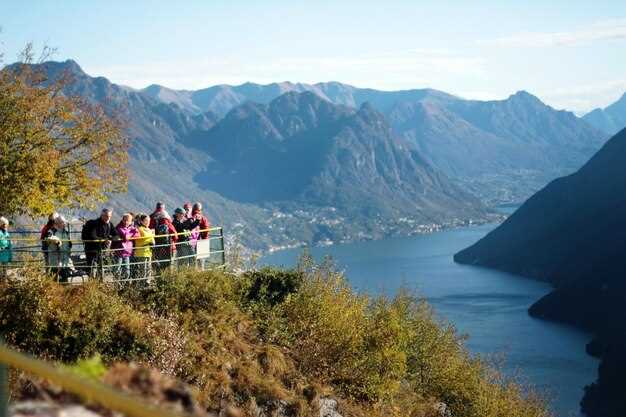
The gondola climbs Bob's Peak from Brecon Street, gaining around 450 m to a terminal roughly 790 m above sea level. From the top the whole basin is laid out: the Remarkables across the lake, with Double Cone at 2319 m the highest point on that skyline, and the Frankton Arm running east towards the airport.
Two crowd windows matter. Between about 11am and 4pm in January the queue at the base station is long and the viewing deck is full. Go before ten, or come up after six. The evening is better anyway, because the light moves down the Remarkables and the luge queues have thinned.
The luge tracks at the top are the reason many families come. Riders alternate between a scenic track and a faster one, and a single ride is never enough for children, so buy the multi-ride option rather than paying twice. For photographs, walk five minutes past the main deck towards the Ben Lomond track sign: the same view without railings or shoulders in the frame.
If you would rather earn the height, the Tiki Trail switchbacks up through the beech forest beneath the cables. Allow 45 minutes to an hour of steady climbing, and note that walking up does not include the ride down.
Lake Wakatipu Water Activities: Rentals, Safety Tips, and Packing Essentials
The bay in front of town is the easiest place to get afloat. Kayaks and paddleboards go out from the beach below the Gardens, and the sheltered Frankton Arm works better on a breezy afternoon because the hills funnel the northwesterly straight down the main lake.
Wind is the thing to watch, not waves. Mornings are usually glassy; by two in the afternoon a chop can build fast enough to make the paddle back to town hard work. Rental desks will tell you this, and they are right, so go early.
Water at 10 to 12 degrees is cold enough to shorten your swim to minutes and cold enough to matter if you come off a board. Wear the buoyancy aid the rental gives you, take a spray jacket even on a hot day, and keep your phone in the dry bag rather than a pocket.
For something slower, the TSS Earnslaw has been crossing this lake since 1912 and still burns coal to do it. The steamer runs from Steamer Wharf across to Walter Peak, and the engine room is open on the way, and it is worth ten minutes below deck. The evening sailing catches the best light on the Cecil and Walter peaks.
Queenstown Parks and Shoreline Walks: Picnic Spots and Accessible Routes
The Gardens occupy the peninsula that closes off the bay, five minutes on foot from the town centre. The loop path around the point is flat, sealed for most of its length and manageable with a pram or a wheelchair, which makes it the most useful walk in town for anyone who wants scenery without a climb.
Inside the Gardens there is a nine-basket disc golf course, free to play if you bring your own discs, plus a rose garden, a small lawn-bowls club and enough large trees to find shade at midday. The lakeside benches on the western side face the Remarkables and catch the afternoon sun.
For a longer flat option, the Frankton Arm track follows the water east from the Gardens towards Frankton, roughly 6 km one way, with the airport on the far shore and jetties along the route. Families often ride it one way and take a bus back.
Two picnic spots worth the short drive: the Kelvin Heights peninsula, across the Arm, where the lawns run down to the water and the town sits in view across the bay; and Sunshine Bay, ten minutes west on the Glenorchy road, which is small, shingly and usually quieter than anything in walking distance of Shotover Street.
Short Hikes for Sunny Days: Easy Routes to Ben Lomond Lookouts
Ben Lomond, at 1748 m, is the big walk above town, and it deserves respect: from the gondola terminal to the summit and back is a six-to-eight-hour day with around 1000 m of climbing, on a track that turns to loose rock near the top. Start before eight, carry two litres of water per person, and turn around at the saddle if the cloud comes down — the summit ridge is exposed.
The saddle itself, at about 1300 m, is a good half-measure. It takes roughly two hours from the gondola, the gradient is steady rather than steep, and the view down the length of the lake is the same one people carry off the summit.
For a short morning, Queenstown Hill suits better for a short morning. The Time Walk starts from Belfast Terrace in town, climbs around 500 m through pine and beech, and reaches the Basket of Dreams sculpture in an hour or so. Allow a little under three hours return with stops. It looks east over the Frankton Arm rather than down the main lake, so it works well at sunrise.
Moke Lake, half an hour from town on a gravel road off the Glenorchy highway, gives a flat 90-minute loop around a small lake ringed by tussock hills, with a Department of Conservation campsite on the northern shore. It is the closest thing to solitude within twenty kilometres of Queenstown in January.
Bungy, Zipline and the Air Above Town
Commercial bungy jumping started here. The Kawarau Bridge site, 23 km east on State Highway 6, opened in 1988 as the world's first, and the jump is 43 m into the gorge with the option of touching the water. The viewing platform is free, which makes it a fair stop even if nobody in the car intends to jump.
The Nevis, reached by four-wheel-drive from the Kawarau valley, is the big one: 134 m from a pod suspended on cables over the Nevis River, with around eight seconds of freefall. It runs as a half-day trip, and the drive in is part of the experience.
Ziptrek Ecotours operates a set of lines through the forest on Bob's Peak, reached by the gondola, with tours running from two lines to six. It is the least frightening of the aerial options and the only one that includes a talk about the forest you are hanging in.
Paragliding and skydiving both launch on clear mornings: tandem paragliders from the top of the gondola, skydives from Queenstown Airport. Both cancel for wind, so book them for the start of your stay rather than the last day, and expect the operator to move you rather than refund you.
Cycling the Queenstown Trail and the Gibbston Wine Route
The Queenstown Trail is the single best-value thing to do here on a sunny day. More than 130 km of mostly off-road path link the town with Frankton, Arrowtown, Jack's Point and the Gibbston valley, graded easy to intermediate, with rental shops in town and at Frankton and shuttles that will collect you and the bike wherever you finish.
Three sections stand out. Queenstown to Frankton along the Arm is flat and takes an hour, good for a first ride. The Arrow River section between Frankton and Arrowtown crosses a series of bridges and takes a couple of hours one way, mostly gentle. The Gibbston River Trail runs from the Kawarau bungy bridge through the vineyards, which brings us to the second half of the ride.
Gibbston is 25 km from Queenstown and grows pinot noir on gravel terraces above the Kawarau. A dozen or so cellar doors sit within a few kilometres of each other, several with restaurants, and the trail passes close enough to most of them that people ride between two or three across an afternoon. If you plan to taste, use one of the shuttle services rather than driving; the police run breath testing on SH6 through the gorge, and the fines are not tourist-priced.
Day Trips: Glenorchy, Arrowtown and Milford Sound
Glenorchy is 46 km up the western shore, and the road there is the reason to go. It hugs the lake with lookouts every few kilometres, and the drive takes about 45 minutes if you do not stop, which nobody does. In the township at the top of the lake there is a red boatshed at the jetty that appears in most photographs of the region, a pub, and the road heads on to the Routeburn and Rees valleys.
Serious walkers use Glenorchy as the trailhead for the Routeburn Track, 32 km across the Divide to the Milford road, which needs booked huts and two to three days. As a day walk, the section from the Routeburn Shelter up to Routeburn Flats and back is around four hours and gives you the beech forest and river flats without the alpine crossing.
Arrowtown, 20 km northeast, was a gold town in the 1860s and kept the buildings. Buckingham Street is a row of miners' cottages turned into shops and cafes, and the restored Chinese settlement along the river at the west end of the village is the more interesting half of the visit — it documents how the Chinese miners lived apart from the European town. In autumn the poplars make this the most photographed street in the country; in January it is simply a pleasant afternoon with a swim in the Arrow River afterwards.
Milford Sound is the long day. Coaches leave town soon after dawn and return some thirteen hours later, covering roughly 290 km each way via Te Anau and the Homer Tunnel, with a cruise on the fiord in the middle. It is a lot of bus for one boat trip, and it is still worth doing once: the walls rise over 1200 m straight out of the water, and Milford's rainfall, several metres a year, means a wet day turns every cliff into a waterfall. Two warnings: sandflies at the wharf are relentless, so take repellent, and if you are prone to motion sickness the fiord can be choppy where it meets the Tasman.
Flying in and cruising out costs more and turns the day into five or six hours. On a clear morning that is the smarter use of the money.
What to Pack and When to Book
Sun first. NIWA, the national climate agency, puts peak summer ultraviolet levels in New Zealand around 40 % higher than at comparable latitudes in the Northern Hemisphere, thanks to thinner ozone and clean air. Burn times in January are short. A hat, sunglasses and high-factor sunscreen are not optional here, and the reflection off the lake catches people who spent the day in a boat rather than on a beach.
Layers second. A 25 °C afternoon in town can turn into single digits at 1300 m or on the water after six, and the wind through the Kawarau gorge is cold even in February. Take a windproof layer on every walk, however short the forecast makes it look.
On booking: the jet boat, the bungy sites, Milford coaches and the Earnslaw fill up in January, and the same is true of restaurant tables from seven o'clock onwards. The free things to do in Queenstown in summer — walks, the Gardens, the trail network, the swimming spots — need nothing booked at all, which is the argument for keeping one flexible day in the middle of your stay and spending it on whichever of them the weather suits.
One last piece of local advice: the queue outside the burger place on Shotover Street is real, it moves faster than it looks, and ordering ahead by phone is what residents do. Some things about a Queenstown summer never change.