


 English (UK)
  Русский
  বাংলা
বাংলা  العربية
  日本語
日本語  한국어
한국어  Magyar
  Norsk nynorsk
  Türkçe
  עִבְרִית
  Español
  Čeština
  Svenska
  Português
  Ελληνικά
  Suomi
Suomi  Nederlands
  Română
  Italiano
  Français
  Polski
  Українська
  Deutsch
  简体中文
简体中文  Slovenčina
  Српски језик
  اردو
اردو  Azərbaycan dili
  O‘zbekcha
  አማርኛ
አማርኛ 
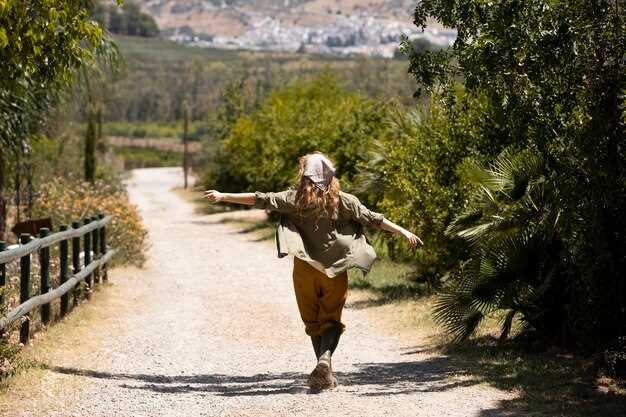
Andalusia, with its sun-soaked landscapes and rich cultural tapestry, is a region that invites exploration and adventure. Nestled in the southern part of Spain, this province boasts a blend of historical remnants and vibrant modern life, making it an ideal location for those seeking both relaxation and excitement. From the intricate architecture of the mezquita in Córdoba to the enchanting village of Frigiliana, there are countless activities waiting to be discovered. Whether you’re arriving by plane or train, October’s mild weather offers a perfect backdrop for wandering through its many cities and countryside.
This diverse region is marked by scattered whitewashed houses, steep walks, and tranquil fountains that create a sense of peace, even in the most touristy of spots. The 15th-century palacio and gardens of the Alhambra are a must-see for anyone wanting to dive deep into the history of this area. Victor, a local guide, suggests starting your journey with visits to the magnificent mosque-cathedral and Doñana National Park, where the natural beauty is breathtaking after the summer rainfall.
Many travelers have enjoyed tailor-made suggestions for their Andalusian adventures, each crafted to ensure an unforgettable experience. Choose to spend an overnight stay in charming towns or luxurious hotels with stunning views of the waters surrounding the Paloma viewpoint. The costs are often reasonable, especially when you consider the lifelong memories you’ll gather. Today, we’ll highlight the top 10 activities that embody the essence of Andalusia, ensuring your journey is both unique and filled with joy.
Discover Ronda’s Stunning New Bridge
Ronda, a picturesque town in southernmost Spain, is famed for its New Bridge (Puente Nuevo), which remarkably spans the El Tajo gorge. This architectural marvel, completed in the 18th century, was designed to hold the vibrant life of Ronda together, allowing locals and visitors to traverse the jagged cliffs with ease.
As you head to the bridge, be prepared to be captivated by the fascinating stories it holds. The bridge’s impressive arches not only showcase the intricate geometric tilework but also mark an important historical symbol for the city. This splendid structure connects the old town with its noble heritage to the new, maintaining a space for both the glitz of modern life and the essence of Andalusian culture.
While visiting, take a moment to appreciate the breathtaking views of the surrounding hills and the Guadalquivir river valley. The panorama is truly one of the nicest you’ll encounter in your travels. Take a leisurely stroll along the bridge and be amazed by how it creates a perfect backdrop for photography enthusiasts.
Ronda’s New Bridge is not just a busy thoroughfare; it is an essential mark on any itinerary when exploring southern Europa. The bridge enables various activities, including hiking trails that lead through the dramatic landscapes of nearby Parque Natural Sierra de Grazalema. You can easily day trip from places like Benalmádena or Tarifa, but this must-see site is worth lingering at.
If a sense of adventure calls you, consider crossing the bridge for a rewarding hike to Capileira, where the appearance of the Mulhacén peak adds to the awe of the surroundings. The journey involves diverse terrains that truly enrich the experience of Andalusia’s natural beauty.
Thanks to the local efforts towards conservation, the New Bridge continues to shine as a testament to the area’s rich history and collaborative spirit. Whether you’re reading up on Ronda before your visit or dreaming of your next adventure, keep the New Bridge in mind–it is a magnificent landmark that holds the stories of countless souls who have walked its path.
As you discover Ronda, remember that this stunning structure splendidly combines the essence of the past with the vibrancy of present life, making it an unmissable highlight on your Andalusian journey.
Historical Significance of Puente Nuevo
The Puente Nuevo, or New Bridge, stands as a monumental symbol of Ronda’s architectural prowess and historical importance. Built between 1751 and 1793, its awe-inspiring arches span the deep gorge of El Tajo, bridging the northern and southern parts of the city. This remarkable structure was constructed long after the Reconquista, a period that saw significant transformation in Andalusia, influencing its architectural styles and urban layout.
Unlike many other bridges in Spain, the Puente Nuevo is not just a means of transportation but also a vital link to the region’s rich past. The area surrounding the bridge is filled with ruins and ancient shops, offering visitors a glimpse into the historical lifestyle of the townspeople. The nearby patios and local markets are alive with cheerful vendors showcasing their goods, making it a perfect outdoor shopping destination.
As you explore the bridge, you’ll find multiple viewpoints that provide breathtaking panoramas of the El Tajo gorge and the surrounding hills, including the rocky terrain that characterizes the Alpujarras region to the north. This spectacular landscape is not only a network of scenic routes for hiking enthusiasts but also a hotspot for wildlife viewing, especially during the migratory months when various species frequent the area.
The Puente Nuevo is located close to other significant sites in Ronda, and it serves as a gateway to an array of tailor-made experiences. Nature lovers will appreciate the lush surroundings, while history buffs can delve into the stories of the past that shaped this region. It is worth noting that the bridge has become a favored monument in Andalusia, attracting tourists seeking peace and connection with nature.
For those planning a visit, a ticket to access certain viewpoints ensures that you can enjoy every aspect of this iconic structure. Therefore, it is advisable to spend some time walking along the bridge and taking in the impressive craftsmanship of the tiled surfaces and stonework that tell tales of its construction period. Do not miss this historical gem during your travels in Andalucia! It is better to experience the Puente Nuevo firsthand than merely read about it.
Tips for Capturing the Perfect Photo
When capturing the essence of Andalusia, it’s vital to plan your photography sessions to ensure you make the most of its stunning outdoor landscapes and architectural wonders. With the right techniques, you’ll create images that resonate with viewers and showcase the beauty of this region.
1. Choose the Right Time: The golden hours, shortly after sunrise and before sunset, provide that magical lighting which makes the marble buildings and narrow streets of Frigiliana truly shine. Consider using this period, especially when photographing the contrasting architecture that has withstood the test of time since the caliphate days.
2. Plan Your Locations: Rented locations, such as the massive cliffs along the coastline or the repurposed structures in Setenil, create unique backdrops. Research these areas beforehand to understand the best angles and perspectives to capture their beauty. A detailed exploration list can help you stay organized.
| Location | Best Time to Capture | Key Features |
|---|---|---|
| Frigiliana | Golden hour | Traditional whitewashed houses, vibrant plants |
| Setenil | Sunset | Stone buildings under massive cliffs |
| Ronda Bridge | Mid-morning | Architectural arches, stunning landscapes |
3. Experiment with Composition: Combining architectural features with natural elements can provide insights into the region’s character. Utilize leading lines, such as the cobblestone streets or the waters of nearby rivers, to guide the viewer’s eye through your frame.
4. Capture the Vibe: Take photos of locals enjoying traditional wines or participating in local customs. This human element adds depth and expression to your images, reflecting the core of Andalusian culture.
5. Weather Considerations: Be mindful of rainfall patterns, especially in the spring and winter. However, a little rain creates stunning reflections and enhances the appearance of the skies, enriching your photographs with depth and mood.
6. Use the Right Equipment: While smartphones are convenient, a quality camera can be repurposed for diverse shots. A lens suited for landscape photography can capture the best sights, including the beautiful coastlines or the intricate details of historical monuments.
7. Scout for Unique Angles: As you explore, act as a hiker climbing to a vantage point to catch a breathtaking overview. Look for bridges or elevated locations that allow for dramatic captures of the region’s stunning architecture combined with nature.
By planning your photography adventures through Andalusia, you’ll set yourself up for success, ensuring that each shot tells a story and captures the heart of Southern Europe.
Explore the Ancient Bullring of Ronda
Nestled in the mountains of Andalusia, the ancient bullring of Ronda is a magnificent structure that lies at the heart of this historic town. This centuries-old arena, completed in the 16th century, is regarded as one of the oldest and most important bullrings in Spain. Its strategic location offers wonderful views of the rugged landscape that surrounds it, making the visit a complete experience for everyone.
When you arrive at Ronda, you can start your exploration with a nice walk through the charming streets, which are full of history and character. The bullring, known as Plaza de Toros, stands out with its unique designs and impressive architecture. Besides the arena itself, there is a museum that holds artifacts and memorabilia, providing insights into the tradition of bullfighting that has shaped local culture.
Exploring the bullring is a special activity that lingers in your memory long after you have left. You can join guided tours or simply walk through the space at your own pace. Catching a glimpse of this iconic landmark feels like stepping back in time, especially considering its rich history dating back to the Romans. If you’re interested in outdoor adventures, the surrounding area offers numerous hikes and walks that lead to breathtaking views of the mountains and the nearby mounds.
Ronda’s bullring is worth the visit, particularly for those seeking to connect with Andalusia’s cultural heritage. While some people choose to indulge in the local cuisine at nearby restaurants or relax on the beautiful beaches of Benalmádena, others might prefer to spend a week exploring the historical depth of places like Osuna or the awe-inspiring mosque-cathedral of Salvador. The bullring provides a perfect starting point for this journey.
As you tour the arena, remember to take time for swimming or just lounging in public spaces nearby to catch your breath after those exhilarating hikes. In order to have the best experience, plan your visit during off-peak times to avoid crowds, ensuring a more intimate and enjoyable encounter with this timeless treasure of Andalusia.
History of Bullfighting in Ronda
The history of bullfighting in Ronda, a charming town in southern Spain, is deeply intertwined with the cultural heritage of Andalusia. This city, famous for its stunning architecture and picturesque landscapes, has played a significant role in the evolution of this traditional Spanish spectacle. Bullfighting, or “corrida,” in Ronda dates back to the 18th century, when it began to transform into a formalized event that would draw visitors from far and wide.
Ronda is home to one of the oldest bullrings in Spain, the Plaza de Toros de Ronda, which was completed in 1785. Its beautiful neoclassical design and location on a hill overlooking the town make it a must-visit for anyone interested in the cultural aspects of Ronda. The bullring stands as a testament to the deep-rooted traditions that have shaped the identity of this region.
The town is often considered a paradise for those interested in exploring the combination of cultural and natural beauty. Surrounded by the breathtaking mountains and the trickling waters of the Chorro waterfalls, Ronda offers a unique space for visitors. As you walk through its narrow streets, you can almost hear the echoes of the past, where hundreds of spectators would gather to witness this dramatic art form.
In the early days, bullfighting was primarily a display of skill and bravery, with fighters showcasing their abilities in the arena. As time progressed, Ronda became known for producing some of the best bullfighters, including the legendary Pedro Romero, whose name is still associated with the sport today. His techniques and style have influenced countless others across the generations.
Each year, Ronda hosts the Goyesca, a festival that celebrates this cultural heritage, attracting locals and tourists alike. The event is characterized by a blend of traditional attire and modern exhibitions, where visitors can taste local delicacies and enjoy performances that highlight the charm of Andalusian culture. This combination of history and celebration offers a glimpse into a world that many are lucky to experience.
For those exploring this region, recommendations for guided tours are abundant. Many guides offer insights into the wildlife and historical significance of the bullfighting tradition, providing a well-rounded understanding for visitors. Stepping into this world allows for a deeper appreciation of the architectural marvels found in Ronda, from its iconic bridge to its beautifully tiled churches.
Today, there are those who discuss the ethical considerations surrounding bullfighting, advocating for the welfare of animals and the evolution of traditions. Nevertheless, Ronda remains a vital member of Spain’s bullfighting legacy, where the arena continues to host numerous events throughout the year, inviting attendees to experience the adrenaline and artistry that bullfighting represents.
Whether you are an aficionado or simply curious, exploring the history of bullfighting in Ronda is an essential part of experiencing the heart of Andalusia and understanding its cultural landscape.
Visiting Hours and Ticket Information

When planning your trip to Andalusia, it’s essential to know the visiting hours and ticket information for the region’s most iconic attractions. Each site offers a unique insight into the fascinating culture and history of this southernmost region of Spain.
The renowned Alcázar of Seville, a great example of Moorish architecture, typically opens its doors from 9:30 AM to 5:00 PM during the winter months and extends its hours until 7:00 PM in the summer. Tickets can be purchased online or at the entrance, but it’s advisable to book in advance, especially during festivals, to avoid long waiting times.
The Mezquita of Córdoba is another must-visit site. Its visiting hours are generally from 10:00 AM to 7:00 PM, with extended hours in the summer. Here, you can witness the impressive Gothic and Islamic styles combined with Nasrid tilework that adorns the interior. A guided tour can provide special insights into its history dating back to the 13th century.
If you plan to visit the breathtaking Mirador in Ronda, remember that the view is accessible 24 hours a day, making it ideal for those who enjoy sightseeing at dawn or twilight. Admission is free, allowing you to bask in the peace of this magical place at any hour you choose.
In the coastal city of Málaga, the centre’s historical sites, such as the Alcazaba, usually welcome guests from 9:00 AM to 8:00 PM. Tickets can be combined for entry to multiple attractions, providing an economical way to explore the city.
For those fascinated by the myriad coves along the coastlines of Andalusia, visiting hours can vary, so it’s worth checking in advance. Some beaches remain open all night, providing a relaxing end to your busy day of exploring.
Overall, whether you are in Sevilla, Córdoba, or Málaga, visiting Andalusia’s attractions offers a glimpse into the rich kingdoms that once ruled this region. The ideal time to explore is during the off-peak season from October to March, where you can enjoy the cultural gems without the rush, allowing you to reach an appreciation for the art and architecture that makes Andalusia itself so unique.
Guided Tours: What to Expect
Embarking on a guided tour in Andalusia is an excellent way to explore his beautiful region while making the most of your journey. Expect a comprehensive experience that showcases the rich cultural tapestry of Andalusia, influenced by its Arab and Christian heritage.
Many guided tours will take you through famous spots such as the stunning mosque in Córdoba and the charming streets of Marbella, where you can relax in cozy cafés or visit local markets. The itineraries often include visits to landmark locations like the Alhambra in Granada and the Sacromonte neighborhood, where you might get a chance to see a traditional flamenco dance.
- Tours typically last from a few hours to an entire day, depending on the itinerary.
- Transportation may vary; expect comfortable transport options such as air-conditioned coaches or even privately organized yachts for coastal tours.
- Expert guides often lead these tours, providing valuable information and insights about the history and beauty of each location.
- Various tours are tailor-made for different interests, whether you prefer local culinary delights, outdoor adventures in the Alpujarras mountains, or cultural explorations in Benalmádena.
It’s advisable to book your tickets in advance, especially during peak seasons like October. Expect an intense journey through some of Spain’s most picturesque landscapes, revealing hidden gems that have long been conquered by travelers and locals alike.
Finally, for those looking to dive deep into the culture, certain tours offer hands-on experiences, such as crafting workshops or guided visits to traditional workshops where skilled artisans create tailor-made items. The opportunity to interact with local workers makes the experience particularly special, giving you a glimpse into daily life in Andalusia.