


 English (UK)
  Русский
  বাংলা
বাংলা  العربية
  日本語
日本語  한국어
한국어  Magyar
  Norsk nynorsk
  Türkçe
  עִבְרִית
  Español
  Čeština
  Svenska
  Português
  Ελληνικά
  Suomi
Suomi  Nederlands
  Română
  Italiano
  Français
  Polski
  Українська
  Deutsch
  简体中文
简体中文  Slovenčina
  Српски језик
  اردو
اردو  Azərbaycan dili
  O‘zbekcha
  አማርኛ
አማርኛ 
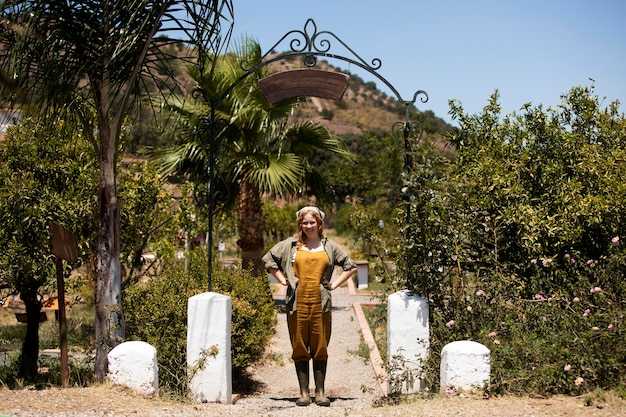
Begin at first light in the central markets along the main road; there, abundant aromas from meat grills mingle with pottery stalls and a lively rhythm that invites you to discover everywhere.
Beyond the ramparts, rural lanes wind toward a cluster of villages, where homes housed in sun-warmed masonry greet visitors; the town is situated in a west-facing position, with a fortress overlooking the valleys and times when caravans came through there.
Museums tucked within ancient walls preserve a living legacy of crafts and caravan-era networks; look for exhibits on silverwork, pottery, and textiles that reflect long-standing traditions.
A slow stroll through the marketplace and nearby markets reveals the contrast between ancient stalls and modern shops; artisans offer pottery, spices, meat cuts, and textiles, all housed under shaded arcades that honor local traditions.
Stop at a hillside café to try strong coffee and dates while a local guide shares stories of forts, markets, and the people who tended the land there.
Position yourself near the western slopes to catch views of castles and mosques; the panorama blends date groves with dry-stone walls, framing daily life in a compact, human scale.
Walk through the fort forecourt, where artisans and vendors mark a living tradition of urban craft and the legacy that shaped this region’s rural identity.
Times have changed, yet the charm remains; bring comfortable footwear, plan to stop for tea, and let the west winds guide you along the lanes.
Don’t miss a pottery workshop at a village studio where clay is shaped, fired, and painted into usable art, a small window into a long craft tradition.
Best time to visit and plan your day at Nizwa Fort Museum
Plan your visit into two sessions: morning 09:00–11:30 and afternoon 15:00–17:30. In november the air cools, light stays gentle, and photography remains stunning.
At the site entrance, the oldest walls are surrounded by the plain desert. The imam’s stories live in stone inscriptions, highlighting these traditions that shaped omans merchants and artisans into a regional culture.
The fortit site housed a museum where displays mix traditional craft with technology, offering a clear look into daily life, trade networks, and the dynasty’s influence.
Walk the sides of the fortress to compare spaces: the northern and southern wings hold galleries on these topics, and the position of the fort against sand and caravan routes becomes obvious.
After the museum, step into the traditional marketplace for a bite or a stroll: sweet dates, grilled fish, and halal snacks await. This loop helps you see both inner rooms and outer life around the fort.
Practical tips: verify hours in advance; you can go with a guide to deepen context or explore on your own. If you want more time, return on another afternoon to focus on the view from the towers and the surrounding castles that once guarded oman site.
These routes offer both indoor galleries and open courtyards, balancing context for a complete day.
What to see inside Nizwa Fort Museum: must-see exhibits and artifacts
Begin at the entrance hall with a concise guide outlining the routes through the collection, a well-known start for travelers and tourist groups.
Exhibits trace the heritage of the area, blending traditional crafts with fortress life. The armory displays khanjars, swords, and armor; fierce weapons sit alongside everyday items that reveal daily life. Fortit-style detailing shows advanced craftsmanship that has withstood the test of time and helps the structure withstand harsh seasons.
Key artifacts include a wind tower model, a traditional granary, ancient maps, coins, and manuscripts. Some items are called out for their documentary value, explaining caravan routes and the routes thousands of travelers used to reach this area. These pieces illustrate how merchants connected inland markets to distant destinations.
Other highlights span ceramics, metalwork, and calligraphy that reveal a cosmopolitan landscape across centuries. The timeline panels explain how networks linked this area to jabrin and beyond, offering a fresh perspective on everyday life. Throughout the museum, interactive displays help visitors imagine life as a guide, a trader, or a resident.
Practical tips: March visits offer milder temperatures; arrive early to avoid crowds as thousands of visitors flock to major sites in the region. Consider a combined itinerary with jabrin fort, a short road from this area, to visit two destinations in one day as part of a cohesive heritage story. The heritage on display rewards curious travelers and advanced planners, with fresh interpretations at every turn.
Ticketing, hours, and guided tour options for Nizwa Fort Museum
Buy tickets online in advance for november visits to secure a time slot and avoid peak hours; you could begin at the tower for early light and dramatic overlooks, though in november the fierce afternoon sun can shorten outdoor portions. The location sits on a hill, situated near the outskirts, with distance views toward surrounding farms and markets.
Guided tour options include a private guide, small-group sessions, and an audio-enabled route; possible to arrange ahead of time or on-site. This is useful for tourist visitors; the guide covers sites from the sultan’s era, with that extensive layout in focus; the addition of a short walk connects core zones.
Following the main circuit, stroll the adjacent souqs where ceramics mix with other crafts; markets nearby offer further selections. Haggling is common but courteous; avoid arrogance and you can secure fair deals. Meat stalls and snack vendors provide quick bites.
Hours vary by season; last entry rules apply, with ends of the day often around sunset in winter months. The site provides clear signage and helpful staff at the entrance; distance from central hotels is modest, and a full visit can take 1.5–2 hours, more if you include the souqs and ceramics stops in the vicinity.
Explore nearby experiences: Nizwa Fort precinct, Souq, and date market in a single route
Begin under the shadow of jebel akhdar and enter the fortified precinct, where buildings line the left and right sides and the sultanate culture is present.
Walk toward the souk along a shaded arcade, then linger where skilled bedouin artisans display crafts and spices at stalls that catch the eye. That should help you savor the atmosphere, and the beauty of the place lies in its multi-sensory character.
From the fort, take a taxi to the date market for a quick connection and to pace your visit across times. The path shows abundant colors as you compare varieties, from dry to fresh.
The distance to the date market is only five minutes away during cooler times, making it easy to fit both destinations in one route.
The single route keeps a natural flow: fort precinct, souk, date market, then outskirts along rural roads; that way you cover destinations on both sides of the sultanate’s cultural map–and you can return by the same position you started from, making it ideal for your itinerary.
A local guide called al-sherky can enhance your experience; he explains the dynasty’s origins, points out significant buildings, and suggests spots with notable beauty overlooking the fortifications.
| Stop | Highlights | Best Time (times) | Notes |
|---|---|---|---|
| Fort precinct | fortified walls, left-right buildings, cultural presentation | 08:30–09:15 | Start here under jebel akhdar |
| Souk | markets, crafts, textiles | 09:30–10:20 | Prepare to bargain |
| Date market | abundant dates, akhdar varieties | 11:00–11:45 | Taste local varieties |
Family-friendly tips and accessibility around Nizwa Fort Museum
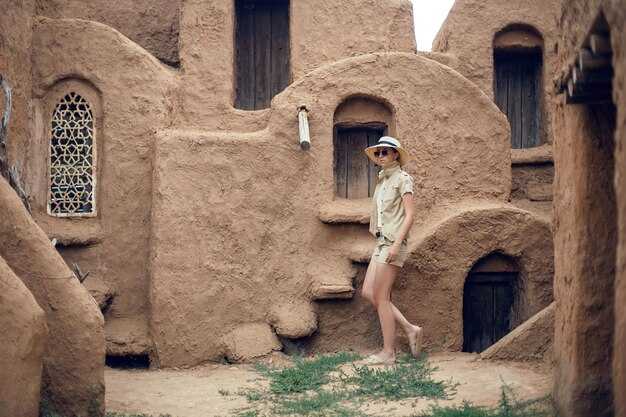
Begin at the main gate ticket desk to pick a mapped, family-friendly route through the fortified enclosure. The plan is highly practical for omans and visitors with children, as it minimizes stairs and emphasizes shaded courtyards. Opening hours vary by season; confirm on the intercity information board or with staff before you arrive. A typical tour would take 2–3 hours, with rest breaks near shops and viewing platforms. Thousands of visitors came here each year; many omans came here as part of a 21st-century journey to explore heritage; the area remains rich, with strong architecture and impressive beauty that would appeal to all ages.
Getting around: route and on-site features
- Start at the circular central plaza to orient yourself, then follow the path along the largest fortified walls.
- The route passes several buildings with arches, thick walls, and bil-arab decorative features, offering a glimpse of the era’s beauty.
- Choose a loop that keeps you near shade and water points; this is ideal for families and helps you wander without fatigue.
- Lookouts offer views of jebal in the distance and the plain countryside everywhere around the site, perfect for photos.
- Shops near the entrance area sell snacks, crafts, and souvenirs, giving you a pleasant intermission during the tour.
Accessibility and practical tips
- Flat sections exist near the main gates; where stairs appear, staff can advise on an accessible detour or temporary ramp if available.
- Wheelchair users will find some galleries accessible, while others may require assistance; plan ahead with the case team or staff to confirm advanced arrangements.
- Restrooms and shaded seating are marked and distributed roughly every few hundred meters, making a family day easier to manage.
- Bring water and wear light clothing; the area can be sunny and the strong sun exposure is common, especially during times of peak heat.
- Consider a short docent-led tour to learn about the site’s features, its rich history, and the impressive beauty of the complex’s architecture; if you need assistive devices, staff can arrange them.
- Plan a visit to the mouz market area to browse crafts and textiles; this is a rich opportunity to observe circular motifs and traditional patterns.
Photography tips and on-site etiquette at Nizwa Fort Museum
Always ask permission before photographing people or handicrafts; for omans and visitors alike, consent matters and could prevent friction in the location without blocking access.
Light, framing, and key details
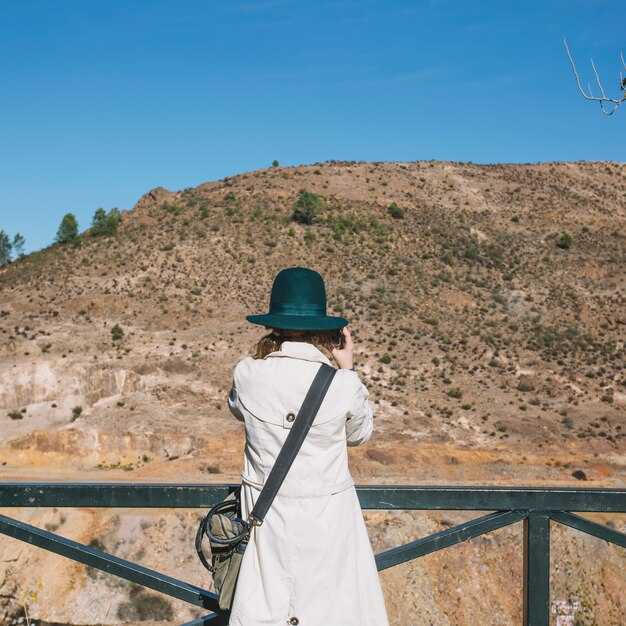
Take advantage of soft light in november mornings and late afternoons; shoot from eye level or slightly low angles to emphasize high architectural lines; frame the front facade against jebal for a magnificent contrast; include ruins found along the jebal and surrounding buildings to show the beauty of the location and provide a strong view of the setting; look for fish motifs on tiles and in crafts to add local texture to your shots.
Etiquette, access, and practical rules
Respect entry rules and avoid entering restricted rooms; do not block the road or disrupt the souk traffic; in towns and nearby villages, be mindful of residents going about daily life and ask before photographing stalls or shops; keep gear compact and move quietly to minimize disturbance; and avoid touching artifacts, as they are vital to cultural heritage in the sultanate. The citys layout connects many towns and villages along the road, so your images could tell a broader story when you include both urban and rural elements.