


 Svenska
  English (UK)
  Русский
  বাংলা
বাংলা  العربية
  日本語
日本語  한국어
한국어  Magyar
  Norsk nynorsk
  Türkçe
  עִבְרִית
  Español
  Čeština
  Português
  Ελληνικά
  Suomi
Suomi  Nederlands
  Română
  Italiano
  Français
  Polski
  Українська
  Deutsch
  简体中文
简体中文  Slovenčina
  Српски језик
  اردو
اردو  Azərbaycan dili
  O‘zbekcha
  አማርኛ
አማርኛ 
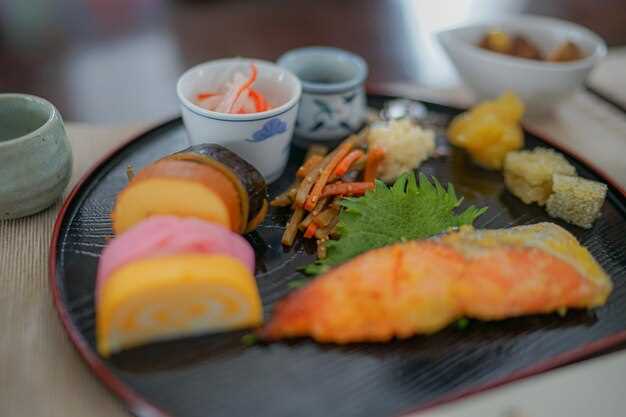
Welcome to Kyoto, a city rich in history and culture, where food is not just sustenance but an integral part of the way of life. This guide is designed to take you through the ultimate culinary journey, som visar upp must-try dishes and the many local delicacies that define the region. With seasonal ingredienser och regional specialties, Kyoto’s food landscape offers a vibrant palette of flavors that are closely tied to its ancient traditions.
From the delicate intricacies of kaiseki cuisine, which celebrates a seasonal feast of multiple måltider, to the satisfying simplicity of yudofu (tofu hot pot), Kyoto’s dishes reflect a deep respect for ingredients och deras origin. The city has a unique way of promoting healthy eating, ensuring that there are options for everyone, whether you’re a meat lover, vegetarian, or vegan wanting delicious, flavorful meals without dietary restrictions. In addition to heartwarming meals, make sure to save room for traditional sweets that have been crafted for centuries, offering a taste of Kyoto’s culinary history.
As you explore, you’ll find various restaurants, ranging from high-quality sushi spots to small, family-run establishments specializing in dashi, a base sauce that enhances the flavor of many dishes. Be sure to make bokningar in advance, especially for the best options, as these gems can fill up quickly. Whether you’re in the mood for a modern version of an old classic or a traditional meal that has stood the test of time, Kyoto is sure to satisfy your cravings.
Traditional Kyoto Cuisine
Kyoto is known for its fertile soil and rich cultural heritage, which has given rise to a unique culinary landscape. Traditional Kyoto cuisine, or kaiseki, emphasizes seasonality and quality ingredients, making the best of what is locally and seasonally available. This multi-course dining experience is refined and beautiful, showcasing the flavors of the region through various dishes. Reservations are often required at the most popular places, as foodies flock to experience these exceptional meals.
One of the standout dishes in Kyoto is yudofu, a simple yet elegant boiled tofu served with a flavorful dipping sauce. This dish exemplifies the principles of traditional Japanese cooking, as it focuses on the inherent taste of high-quality ingredients. Vegetarians will find yudofu to be a specialty, as it beautifully highlights the texture and flavor of tofu, making it a satisfying meal without any animal products. Visitors can also find halal options in some restaurants, ensuring that everyone can enjoy authentic Kyoto flavors.
Fish is another major component of Kyoto’s culinary scene, often served in sushi or as sashimi. Here, chefs adjust their recipes to suit the freshest catch, emphasizing the high quality of seasonal seafood. Throughout the winter months, many enjoy hot pots and grilled fish to warm up from the chilly weather. This focus on seasonal eating not only supports local fisheries but also enhances the overall dining experience.
Many traditional Kyoto dishes are influenced by the tea ceremony culture. The careful preparation and presentation of food mirror the ethos found in the art of Japanese tea. Sweets are also an integral part of Kyoto’s culinary identity, often made with local ingredients and crafted for seasonal celebrations. As a result, visitors can find a range of treats that are both visually stunning and delicious.
While enjoying the culinary delights of Kyoto, it’s essential to dive into the community’s long-standing culture of hospitality. Dishes are often served in small portions, allowing diners to savor a variety of flavors in one meal. This approach not only showcases the diverse ingredients but also invites diners to engage more closely with each dish, experiencing the full spectrum of tastes and textures.
In summary, traditional Kyoto cuisine is all about making the most of the local landscape and seasonal changes. By incorporating various techniques and adjustments throughout the years, the city has preserved its culinary heritage while continually evolving. For those eager to explore the rich flavors and history, Kyoto offers an unforgettable journey into the heart of Japanese food culture.
Kyo Kaiseki: The Art of Multi-Course Dining
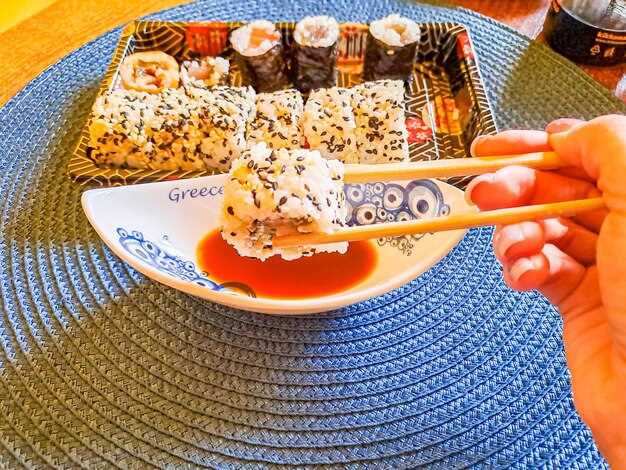
Kyo Kaiseki is renowned as one of the oldest and most refined forms of Japanese dining. With roots that trace back to the tea ceremony, this specialty meal has developed over centuries. Each course is carefully crafted to highlight seasonal ingredients, showcasing the fertile soil of the Kyoto region. Dishes are often presented in visually stunning arrangements, ensuring that dining becomes a feast for the senses, promoting the culture of meticulous craftsmanship and the appreciation of flavor.
Typically, a kaiseki meal consists of numerous small courses, each offering a unique taste experience. The primary ingredients include locally sourced vegetables, high-quality tofu, and dishes featuring yuba–soybean skin that is a delicacy in Kyoto. For those following a vegan or meatless diet, adjustments are easily made to accommodate restrictions. In winter, for example, warming dishes with dashi broth are served, enhancing the comfort of the meal while emphasizing the health benefits of eating fresh, seasonal foods.
- Main Elements of Kyo Kaiseki:
- Small, artfully arranged courses
- Focus on fresh, local ingredients
- Harmonious flavors that reflect the seasons
- Utilization of traditional cooking techniques
- Common Dishes:
- Seasonal sashimi
- Grilled fish
- Slow-cooked root vegetables
- Delicious yuba dishes
People who savor kaiseki understand that it goes beyond mere eating; it is about embracing a culinary journey that reflects Japanese culture and history. Each generation has adapted and refined the art of kaiseki, ensuring that this tradition remains vital while also being dynamic. Visiting a kaiseki restaurant in Kyoto is not just about tasting exquisite food–it’s an experience that allows diners to connect deeply with the local heritage and time-honored practices of Japanese cuisine.
Yudofu: Simple Yet Flavorful Tofu Hot Pot
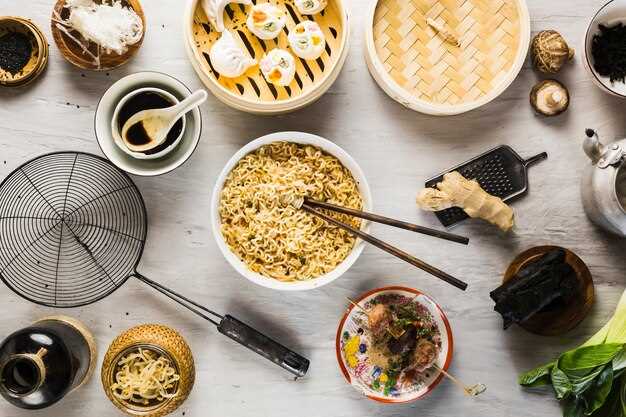
Yudofu, a delightful tofu hot pot, has a long and rich history in Kyoto, often enjoyed by locals and foodies alike. This dish embodies the principles of simplicity and flavor, highlighting high-quality tofu and seasonal vegetables. As one of the oldest specialties in Kyoto, it is commonly used in temples and during traditional ceremonies, making it a significant part of local culture since ancient times.
The main ingredient, tofu, is enriched with flavors from a dashi broth, which is refined and prepared using various local ingredients. While there are many versions of this dish, the genuine yudofu focuses on maintaining the natural flavor of the tofu, often accompanied by a dipping sauce made from yuba or soy sauce. This allows those trying yudofu to truly appreciate the essence of high-quality tofu without the distractions of heavier additives.
For those avoiding meat, yudofu is a perfect choice, showcasing how delicious a vegan meal can be. Often served in large pots for sharing, this dish is both healthy and satisfying, making it a go-to option during the colder winter months. Many people enjoy yudofu not just for its taste but also for its nutrition, providing a wholesome meal that aligns with the principles of a balanced diet.
Exploring yudofu is an essential experience for anyone wanting to dive deeper into Kyoto’s food culture. Alongside sushi and kaiseki, this simple hot pot represents a craft that emphasizes quality over quantity. Whether you’re a seasoned traveler or a curious local, indulging in yudofu is a sure way to enhance your culinary journey in this historic city.