


 Svenska
  English (UK)
  Русский
  বাংলা
বাংলা  العربية
  日本語
日本語  한국어
한국어  Magyar
  Norsk nynorsk
  Türkçe
  עִבְרִית
  Español
  Čeština
  Português
  Ελληνικά
  Suomi
Suomi  Nederlands
  Română
  Italiano
  Français
  Polski
  Українська
  Deutsch
  简体中文
简体中文  Slovenčina
  Српски језик
  اردو
اردو  Azərbaycan dili
  O‘zbekcha
  አማርኛ
አማርኛ 
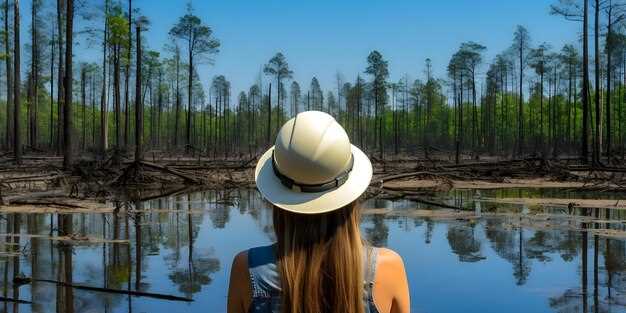
When planning your next weekend getaway, consider the breathtaking natural beauty that Florida’s national parks have to offer. From the surreal landscapes of the Everglades to the vibrant coral reefs of Biscayne, each park provides a unique adventure for nature lovers and outdoor enthusiasts alike. This guide will help you navigate through these precious regions, highlighting the must-see spots and essential tips to enhance your experience.
Whether you are a seasoned hiker or a beginner looking to take short walks, the parks’ diverse fauna and flora will captivate your senses. Gun upon your jacket when you venture into the wilderness of these parks; the weather can change unexpectedly, especially near the waterfalls and along the airboat routes. Don’t forget to pack your utensils and reserve your cabins in advance to ensure a restful stay during your escapade.
In this guide, we’ve compiled valuable information for your journey–like the best times to visit, gear to bring, and activities available. You may find it helpful to explore nearby towns such as Saint Augustine, where you can learn more about the region’s history. Prepare yourself for an adventure filled with wildlife viewing, paddling through tranquil waters, and lots of exploration. Remember, conditions can vary across the parks, so check local guidelines and weather updates to make the most of your trip!
Choosing the Right Clothing for Florida’s Climate
When planning your adventure in Florida, the right clothing can be a game-changer. The state’s climate is characterized by warmth and humidity, especially in the south and during the summer months. To ensure you’re comfortable while exploring the nation’s wetlands and national parks, it’s essential to choose wisely.
Starting with the basics, lightweight and breathable fabrics should be your go-to. Materials like cotton or moisture-wicking polyester help in regulating body temperature, making them perfect for both hiking and biking throughout locations like Amelia Island and Everglades National Park. You’ll want to avoid heavy materials that can become a burden under the sun.
Consider layers for your trip. While daytime temperatures can soar, evenings often bring a cool breeze. Packing a light jacket or long-sleeve shirt ensures you remain comfortable during sunset observation. Be sure to also include quick-drying clothing to manage sudden showers–Florida weather can be unpredictable, and you wouldn’t want a surprise downpour to dampen your plans.
When visiting Florida’s marine environments, such as the shores of the Gulf Coast or during an airboat tour in the Everglades, wearing clothing that protects against sunburn and insect bites is crucial. Look for long pants and long-sleeved shirts designed with UV protection. A hat and sunglasses will also go a long way in keeping you protected against the sun’s intense rays.
If you’re planning to drive to various national parks and campgrounds, comfort during your journey is just as important. Wear shoes that offer support–whether it’s for hiking or a casual stroll along the beach. Remember to include gear like a swimsuit if you’re considering swimming with manatees or going for a swim after lunch on the shore.
Finally, ensure that you have essential accessories, such as a good pair of binoculars for wildlife study or a camera to capture the surreal sights of the alligator populations in the swamps. Each piece of clothing or gear you pack should make your visit more enjoyable and accessible. By respecting the environment while dressing appropriately for the conditions, you’ll maximize your Florida experience for years to come.
Understanding Humidity and Heat
The climatic conditions in Florida can significantly impact your visit to the state’s national parks. With its gorgeous landscapes and unique fauna, the state is a paradise for nature lovers. However, a thorough understanding of humidity and heat is essential for planning a successful trip. During the sydost summer months, particularly August, temperatures soar while humidity levels remain high, often limited to certain hours of the day. Visitors should prepare for this by choosing their outdoor activities wisely.
Activities such as bicycling, or even a leisurely tram ride through historic areas, can be enjoyable during cooler parts of the day. Early mornings or late afternoons generally offer the best conditions for exploration. Essential items to pack include plenty of water, lightweight clothing, and plast bags for food to prevent attracting wildlife.
Florida’s national parks are placerad near some of the most enchanting ecosystems, including cypress swamps and coral reefs. Places like the Everglades provide opportunities for båtliv och airboat tours, allowing visitors to see incredible wildlife, including alligators and krokodiler. While exploring these natural wonders, it’s crucial to respect the area and avoid Going-to-the-Sun behavior that could disrupt the local environment.
As you travel through this beautiful state, keep in mind the various preserves that offer additional scenic drives and hiking trails. Each park has its unique highlight, but all are subject to the humid climate that influences visitor activities. Ensure you’re aware of what’s closed or under maintenance before heading out, as conditions can change rapidly.
If you have any questions regarding the weather patterns or the best times for visiting specific parks, a quick search on Google can help you create the ultimate trip planner. For instance, February might offer a better experience regarding less humid conditions, making it an ideal choice for those looking to maximize their time outdoors.
In summary, understanding the balance of humidity and heat is pivotal for enjoying Florida’s nature. Proper planning will allow you to soak in the wonders of the east and west coasts, from stunning waterfalls to vibrant ecosystems, ensuring that your adventure remains unforgettable.
Best Fabrics for Hiking in Florida
When planning a hiking adventure in Florida, especially in its stunning national parks, choosing the right fabric for your attire is crucial. The right materials can enhance your experience by providing comfort, breathability, and protection against the sun, which is essential in Florida’s warm climate.
For a perfect hiking outfit, consider the following fabric options:
| Tyg | Fördelar | Perfekt för |
|---|---|---|
| Moisture-Wicking Polyester | Keeps sweat away from the skin, dries quickly | Long hikes through cypress swamps and scenic trails |
| Nylon | Durable, lightweight, and resistant to abrasion | Camping in locations with rocky terrains and mountains |
| Merino Wool | Temperature regulating, odor-resistant | Cool mornings by the ocean or late-night Florida tent camping |
| Spandex Blends | Offers flexibility and comfort for movement | Kayaking adventures across lakes or snorkeling trips |
| Ripstop Fabric | Prevents tearing and is lightweight | Weekend hikes in private reserves |
When hiking Florida’s natural beauty, every detail matters. Choose a moisture-wicking jacket for late hikes and layers to adjust to temperature changes. Flying insects may be present, so don’t forget to use a spray to keep them at bay.
While exploring the diverse landscapes, from the flamingo-filled wetlands to the pristine shores of Amelia Island, having the right gear can make all the difference. With a million places to discover, a well-planned hiking outfit can enhance your experience while staying comfortable and protected from Florida’s sun.
Keep your backpack handy with a collection of essential gear, including a map, spare tape for quick repairs, and a knife for any unexpected situations. With the right fabrics and preparation, you’ll be ready to tackle Florida’s captivating environments, from the tranquil waters of Chattanooga to the vibrant ecosystems in the south.
Layering Techniques for Variable Weather

Visiting Florida’s national parks requires an understanding of how to dress for the changing conditions. The weather in these stunning locations can shift dramatically, making layering essential for your comfort while exploring nature’s beauty. Here are some important tips to help you prepare:
- Baslager: Start with a moisture-wicking base layer to keep sweat away from your skin. Whether you want a long-sleeve shirt or a short-sleeve option, this layer makes a difference as you hike through the pristine landscapes.
- Middle Layer: For insulation, opt for a lightweight fleece or a thermal shirt. This layer provides warmth during the cooler late hours, especially when winds pick up.
- Outer Layer: A waterproof and windproof jacket is essential. Rainier days can be common in the south, and an outer coat will ensure you stay dry. Look for packs that allow easy storage when not in use.
Sometimes visitors underestimate the importance of proper footwear. Waterproof boots are a must for wet trails, while socks made from synthetic materials or wool will keep your feet warm and dry. When traveling light, consider bringing along a pair of lightweight sandals for campsite relaxation in the evening or a kayak tour after a long day.
It’s always wise to check the weather forecast in advance. Doing so allows you to adjust your packing list and itineraries accordingly, ensuring you have everything needed for your trip–be it for a full weekend excursion or a quick getaway to the house on the islands.
Here are some additional tips to help you stay comfortable during your national park adventures:
- Bring along a lightweight, packable poncho or rain shell for unexpected showers.
- Layering isn’t just for clothing–utilizing packing cubes can help organize your gear and ensure that you can find what you need quickly.
- Consider the distance you’ll be traveling; longer hikes may require added layers to adjust as you warm up.
- Respect the wildlife and the environment; avoid disturbing animals while enjoying your surroundings.
By following these layering techniques, you’ll make the most out of your tours in Florida’s magnificent national parks. Make sure to prepare in advance for any weather condition, ensuring your experience is as enjoyable as possible. Whether you’re on a boardwalk at the Shark Valley in the Everglades or hiking towards the scenic vistas of Big Cypress, you’ll always be ready for whatever comes your way.
Sun Protection Clothing Options
When arriving at Florida’s national parks, visitors should prepare for adventures under the sun. The intense rays can affect your experience, and choosing the right sun protection clothing is crucial. Here’s a list of options to consider:
- Long-Sleeve Shirts: Opt for lightweight, breathable long-sleeve shirts that provide coverage. They allow your skin to stay protected while you explore areas like Shenandoah or the Gorgeous Coral reefs.
- Pants and Leggings: Wear pants or leggings made from UV-protective fabric. This option ensures that your legs are safeguarded, especially during late afternoon hikes to waterfalls or ranger-guided tours.
- Wide-Brimmed Hats: A wide-brimmed hat not only provides shade but also has the power to keep you cool. These are perfect for both early morning and late evening excursions.
- UV-Blocking Swimwear: If you’re going to the sun for snorkeling in the keys or enjoying tram rides over water features, choose swimwear designed with UV protection.
- Sunglasses: Protect your eyes with sunglasses that block 100% of UVA and UVB rays. This is especially important for long durations of outdoor activities where clear vision enhances the view.
Applying these clothing options allows visitors to maximize their enjoyment while minimizing the risks associated with sun exposure. A well-planned outfit can permit a full day of exploration, whether visiting the northern parts of Florida or taking short trips to unique locations such as Yosemite. Remember, this preparation plays a significant role in preserving your well-being during adventures.
Lastly, check local regulations regarding sun protection clothing to ensure compliance while enjoying your time. Always prioritize your health and comfort to fully experience the beauty Florida’s national parks have to offer.
Footwear: Protecting Your Feet on Trails
When exploring Florida’s national parks, choosing the right footwear is essential for a comfortable and safe experience. Trails can vary significantly, from the sandy shores near barrier islands to rugged paths found in cypress swamps, making it crucial to select boots that provide adequate support and protection. For example, during a trip to the famous Everglades, you’ll likely encounter various terrains, including wet and muddy areas, which require durable, waterproof boots.
While planning your visit, consider the activity you’ll be engaging in. If you’re going to take part in airboat tours or bike rentals, your footwear should offer flexibility and tread suitable for slippery conditions. A good pair of socks can complement your boots, ensuring comfort and moisture control, preventing blisters during your adventures.
In some parks, you might come across krokodiler och manatees, making sturdy footwear even more important. Safety is paramount, especially in areas where wildlife is prevalent. Trails often require hikes of varying lengths, and well-fitting boots will enhance your stability regardless of whether you’re hiking between monument or along scenic paths.
If you’re visiting parks like Yosemite or the Great Smoky Mountains, remember that the appropriate footwear can greatly impact your experience. A limited schedule should not limit your ability to enjoy a vast array of beautiful landscapes; thus, investing in quality footwear is definitely worth it.
Before you set out, make sure your shoes are broken in to prevent discomfort. You don’t want to be that person who experiences pain from wearing new boots on a trip. Always have a spare pair of shoes or sandals for relaxation after a long day of hiking.
Finally, when you return from your adventures, take care to clean your boots, especially if you’ve visited multiple parks in a year. This practice not only extends the life of your footwear but also helps preserve the natural treasures you’ve come to enjoy. Remember, the right shoes make a significant difference in how you connect with nature during your tour in Florida’s parks!
Types of Hiking Shoes and Boots
Choosing the right footwear is crucial for enjoying the wilderness trails of Florida’s national parks. Properly selected hiking shoes and boots can significantly advance your experience while connecting you with nature’s views. Here are the main types of footwear to consider for your next adventure.
Trekking Shoes are lightweight and versatile, designed for both narrow trails and a variety of terrains. These shoes allow for quick transitions during short hikes or when you need to paddle or dive into another activity. They are perfect for visitors who prefer a budget-friendly option without sacrificing comfort or support.
Kängor för dagsturer De ger mer stöd åt fotleden och är lämpliga för mer oländiga spår. Deras robusta konstruktion hjälper till att bibehålla stabiliteten på ojämna ytor, vilket gör dem idealiska för multisportentusiaster. Kombinationen av fluffig dämpning och ett stabilt grepp säkerställer att dina fötter förblir bekväma medan du tar dig an längre vandringar och utforskar minnesmärken eller natursköna utsiktsplatser.
Ryggsäckskängor are heavier than typical hiking footwear, providing durability for carrying heavy loads over long distances. Designed for serious trekkers, they are made to withstand moisture and provide good traction, especially useful when crossing streams or navigating wet terrain. If you plan on setting up a base camp with a stove for meals, these boots will cater to your needs effectively.
Trail Runners är ett utmärkt val för dem som föredrar en lättare sko som fortfarande erbjuder bra skydd och komfort. Perfekta för löpning i terräng eller för att njuta av en snabb utflykt under en helg, trail runners är andningsbara och designade för att hantera fukt effektivt.
Sandaler kan vara ett tilltalande val under de varmare månaderna, särskilt för att besöka öar eller platser som Anhinga Trail. Se dock till att de har ett bra grepp och tillräckligt fot skydd för att undvika skador från vassa föremål på marken.
I slutändan är det viktigt att läsa recensioner och prova olika typer av vandringsskor eller kängor för att hitta rätt passform för dina fötter. Undvik att bli slö genom att se till att dina skor stöder dina aktiviteter, oavsett om du promenerar, utforskar eller bara stannar vid en naturskön utsiktsplats. Vad du än väljer, se till att din utrustning är lämplig för den miljö du planerar att utforska, så att du kan njuta av underverken i Floridas nationalparker till fullo.