


 Svenska
  English (UK)
  Русский
  বাংলা
বাংলা  العربية
  日本語
日本語  한국어
한국어  Magyar
  Norsk nynorsk
  Türkçe
  עִבְרִית
  Español
  Čeština
  Português
  Ελληνικά
  Suomi
Suomi  Nederlands
  Română
  Italiano
  Français
  Polski
  Українська
  Deutsch
  简体中文
简体中文  Slovenčina
  Српски језик
  اردو
اردو  Azərbaycan dili
  O‘zbekcha
  አማርኛ
አማርኛ 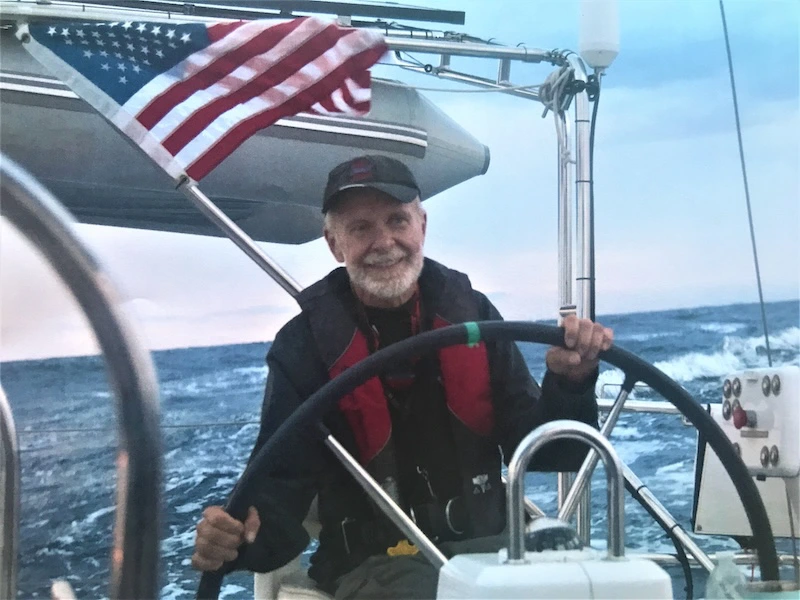 Från offshore-återhämtning till tillgänglig segling: Beneteau Oceanis 41 “Believe” ansluter sig till BAADS-flottan">

Salvage and recovery: the logistics at sea
The Beneteau Oceanis 41.1 Tro was recovered nearly 200 miles off the California coast and delivered to Ventura Harbor with the assistance of Channel Watch Marine, then made seaworthy again at KKMI. A Coast Guard helicopter medevac transported the boat’s owner, Stan Pawlak, to Stanford, but he was found unresponsive and later died; the hull itself continued down the coast before being retrieved and transported to port.
Tidslinje i korthet
| År / Datum | Händelse | Location / Actor |
|---|---|---|
| 2017 | Stan acquires Beneteau Oceanis 41.1 | Private purchase |
| 2018 | Participation in Baja Ha-Ha XXVI; Spirit of the Ha-Ha award | Baja Ha-Ha rally |
| June 2021 | Offshore incident and helicopter evacuation | Coast Guard; Stanford |
| After June 2021 | Vessel recovered and repaired | Channel Watch Marine; KKMI; Ventura Harbor |
| Post-repair | Boat donated to BAADS and returned to active sailing | BAADS fleet, San Francisco Bay |
How conversion and customization enabled independent sailing
Stan Pawlak worked with technician Scott Easom and others to convert Believe into a more automated, “push-button” platform suited to an “alter-abled” sailor. Modifications included easier life-raft deployment, deck layout changes that reduced foredeck time, and equipment upgrades to meet international offshore racing standards endorsed by groups like the Singlehanded Sailing Society.
Key technical adjustments
- Deck layout optimization to minimize time at the bow during maneuvers
- Automatic or simplified safety systems for rapid response
- Offshore-compliant electronics and equipment matching race and passage requirements
Donation mechanics: how a private yacht became a community asset
After the vessel’s recovery and refit, the owner’s partner arranged donation to the Bay Area Association of Disabled Sailors (BAADS), an organization that provides teaching, crewed sails, and adaptive programs. The transfer transitioned Believe from a private long-distance cruiser to an accessible training and recreational platform used on San Francisco Bay.
Practical steps for donating a vessel
- Confirm ownership, title, and salvage paperwork.
- Assess seaworthiness and estimate repair costs—coordinate with marinas or shipyards like KKMI.
- Identify a nonprofit beneficiary whose mission matches the vessel’s potential use.
- Complete transfer paperwork, insurance updates, and any tax documentation.
- Coordinate logistics for towing, haul-out, repair, and relaunch.
Benefits for nonprofits, donors, and the local tourism scene
Vessel donations deliver multiple benefits: nonprofits gain operational boats at lower cost, donors fulfill legacy wishes and realize tax or logistical advantages, and local maritime tourism can be enriched by expanded accessible offerings. In this case, Believe now serves BAADS participants and supports public-facing sails that attract visitors to the Bay area’s accessible marine experiences.
Community and tourism impacts
- Broader inclusion of sailors with disabilities increases demand for adaptive maritime tourism.
- Accessible sails can be integrated into cultural programs and local tour offerings.
- Donated boats often become platforms for volunteer training, community outreach, and specialty cruises.
Donations like Believe’s case also showcase collaboration among marinas, salvage teams, nonprofits, and local businesses—an operational model that can inspire similar efforts elsewhere, ultimately feeding into more diverse and inclusive travel experiences.
Highlights include the careful salvage operation nearly 200 miles offshore, Stan Pawlak’s methodical retrofitting of Believe for altered-abled sailing, the crucial roles of Channel Watch Marine and KKMI in recovery and repair, and BAADS’ ongoing use of the vessel to expand accessible sailing programs. Even the best reviews and the most honest feedback can’t replace firsthand experience. On HämtaErfarenhet, you book your experience from verified providers at reasonable prices. This empowers you to make the most informed decision without unnecessary expenses or disappointments, while offering secure payment and voucher confirmation options as well as tailored tour requests for special needs— Boka din resa
In summary, the Believe story ties maritime logistics, adaptive engineering, and community-minded donations into a single narrative that benefits sailors and visitors alike. From offshore salvage to adaptive refit, donation mechanics to nonprofit program delivery, this example illustrates how travel experiences and Adventure activities can expand through thoughtful reuse of vessels—fueling Museum tours with live guides, Eco-friendly wildlife safaris from accessible platforms, Exclusive yacht charters for events, Cruise packages that include adaptive options, and even Interactive online cultural workshops and Online virtual tours for those planning before they go. Whether you’re seeking Luxury adventure travel experiences or Adventure rafting trips for beginners, the routes from salvage to service show how practical logistics can enrich tourism offerings.