


 Svenska
  English (UK)
  Русский
  বাংলা
বাংলা  العربية
  日本語
日本語  한국어
한국어  Magyar
  Norsk nynorsk
  Türkçe
  עִבְרִית
  Español
  Čeština
  Português
  Ελληνικά
  Suomi
Suomi  Nederlands
  Română
  Italiano
  Français
  Polski
  Українська
  Deutsch
  简体中文
简体中文  Slovenčina
  Српски језик
  اردو
اردو  Azərbaycan dili
  O‘zbekcha
  አማርኛ
አማርኛ 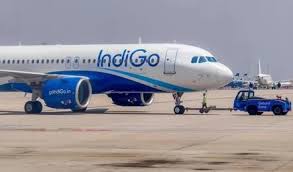 Examining the Impact of IndiGo’s Flight Cancellations on Indian Air Travel">

IndiGo’s Grounded Flights Stir Up Indian Aviation
The recent wave of flight cancellations by IndiGo, India’s leading airline, has cast a spotlight on the vulnerabilities in the country’s aviation industry. Over 2,000 flights were cancelled due to a shortage of pilots, creating widespread disruptions and affecting tens of thousands of travelers. This operational hiccup reveals risks tied to the concentrated market share held by IndiGo alongside Air India, together controlling about 92 percent of domestic air traffic.
Duopoly Dynamics and Market Vulnerabilities
The near duopoly of IndiGo and Air India governs the majority of India’s domestic air travel, a structure uncommon in many growing aviation markets worldwide. IndiGo dominates with roughly 65 percent of the market, while Air India holds about 27 percent. This market concentration means the operational health of these two airlines greatly influences overall passenger experience and market stability.
On many routes, especially connecting smaller or regional towns, IndiGo effectively operates as a monopoly. Such a concentrated market makes it difficult for competition to thrive, which some experts warn is not ideal for sustainable growth. Fewer players in the market can also lead to systemic risks if one carrier faces difficulties.
Pilot Shortage and Regulatory Challenges
The immediate cause behind IndiGo’s flight cancellations was a pilot shortage caused by the airline’s failure to adapt promptly to new regulations limiting pilot working hours. The sudden drop in available pilots forced cancellations that disrupted vacation plans, weddings, and business travel, contributing to unprecedented scenes at airports, including unclaimed luggage piling up.
The government responded by temporarily easing rules around pilot fatigue management, but the incident has ignited discussions on the broader issue of workforce management within the aviation sector.
Operational Impact and Financial Consequences
IndiGo’s brand is closely tied to punctuality and low fares, and this crisis dented its reputation, with on-time performance plummeting sharply during the disruptions. Although the airline expects to return to normal operations soon, the financial fallout is already visible with refunds totalling tens of millions in US dollars and potential lasting impacts on customer trust.
| Aspekt | Detaljer |
|---|---|
| Flygbolag | IndiGo |
| Marknadsandel | Approx. 65% domestic |
| Number of Flights Cancelled | Over 2,000 |
| Cause | Pilot shortage and regulation changes |
| Government Response | Relaxed pilot fatigue regulations temporarily |
Comparisons and Industry Implications
This disruption is reminiscent of other global incidents such as Southwest Airlines’ massive flight cancellations in 2022 due to staffing turmoil, which led to significant passenger stranding and financial losses. Such parallels highlight the delicate balance airlines must maintain between growth and operational readiness.
Growth and Future of Indian Aviation
India stands as one of the fastest-growing aviation markets, with the number of passengers surging beyond 170 million annually. This rapid expansion largely traces back to the success of airlines like IndiGo, founded in 2006, whose low-cost model has opened air travel doors for many first-time flyers across the nation. The airline operates a fleet of over 400 aircraft servicing more than 2,000 flights a day, catering to approximately 380,000 passengers daily.
Market Structure and Competition Landscape
While government reforms have aimed to liberalize air travel and encourage private-sector participation, hurdles like high taxes, intense competition, and infrastructure constraints have led to the collapse of several carriers in the past decade. Only a handful, notably IndiGo, continue to thrive, intensifying concerns about market concentration.
Points of Concern
- The dominance of two players increases systemic risk in airline operations and market stability.
- Pilot workforce shortages and regulatory complexity remain ongoing challenges.
- Infrastructure limits at major airports may strain growing traffic demands.
What This Means for Travelers and Tourism
For travelers, disruptions on this scale are more than an inconvenience—they can alter entire vacation plans and essential trips. The efficiency and reliability of airlines are critical to tourism growth, especially in a country as vast and diverse as India, where air travel connects key destinations swiftly.
Tourism professionals and travelers alike would do well to monitor evolving market dynamics and consider alternative providers and routes to reduce dependency on a limited number of carriers. Platforms like GetExperience.com offer a variety of booking options for tours and excursions, backed by verified providers and convenient, secure payments with voucher confirmations afterward, helping travelers plan with confidence amid shifting aviation conditions.
Highlights of the IndiGo Crisis and Aviation Risks
The IndiGo pilot crisis underscores that even the largest airline’s unexpected challenges can ripple through the aviation sector, impacting millions of passengers and the broader tourism economy. While the promise of low fares and punctual flights has driven much of India’s domestic aviation success, operational setbacks expose underlying fragility. Until a more competitive airline environment develops, risks tied to market concentration will continue to loom.
Choosing travel experiences through trusted platforms can minimize risks associated with airline disruptions. GetExperience.com empowers users with transparency, affordability, and extensive choices ranging from safari tours and museum visits to adventure rafting and exclusive yacht charters, suiting diverse adventure and luxury travel preferences. This convenience and variety allow travelers to make well-informed decisions without breaking the bank or facing unexpected disappointments. Book now with GetExperience.com.
Slutsats
IndiGo’s massive flight cancellations due to pilot shortages reveal how crucial balanced growth and robust workforce management are within India’s aviation industry. The dominance of a few major carriers presents systemic risks, which can ripple through tourism by disrupting travel plans across the country. As India’s aviation market continues to expand rapidly, the need for more competition, streamlined regulations, and infrastructure upgrades becomes evident. For travelers seeking reliable experiences and diverse adventure activities, leveraging convenient booking platforms like GetExperience.com ensures seamless planning amid the dynamic landscape of air travel. Ultimately, travel experiences flourish best when supported by a resilient and competitive aviation sector that meets growing demand efficiently and safely.