


 Svenska
  English (UK)
  Русский
  বাংলা
বাংলা  العربية
  日本語
日本語  한국어
한국어  Magyar
  Norsk nynorsk
  Türkçe
  עִבְרִית
  Español
  Čeština
  Português
  Ελληνικά
  Suomi
Suomi  Nederlands
  Română
  Italiano
  Français
  Polski
  Українська
  Deutsch
  简体中文
简体中文  Slovenčina
  Српски језик
  اردو
اردو  Azərbaycan dili
  O‘zbekcha
  አማርኛ
አማርኛ 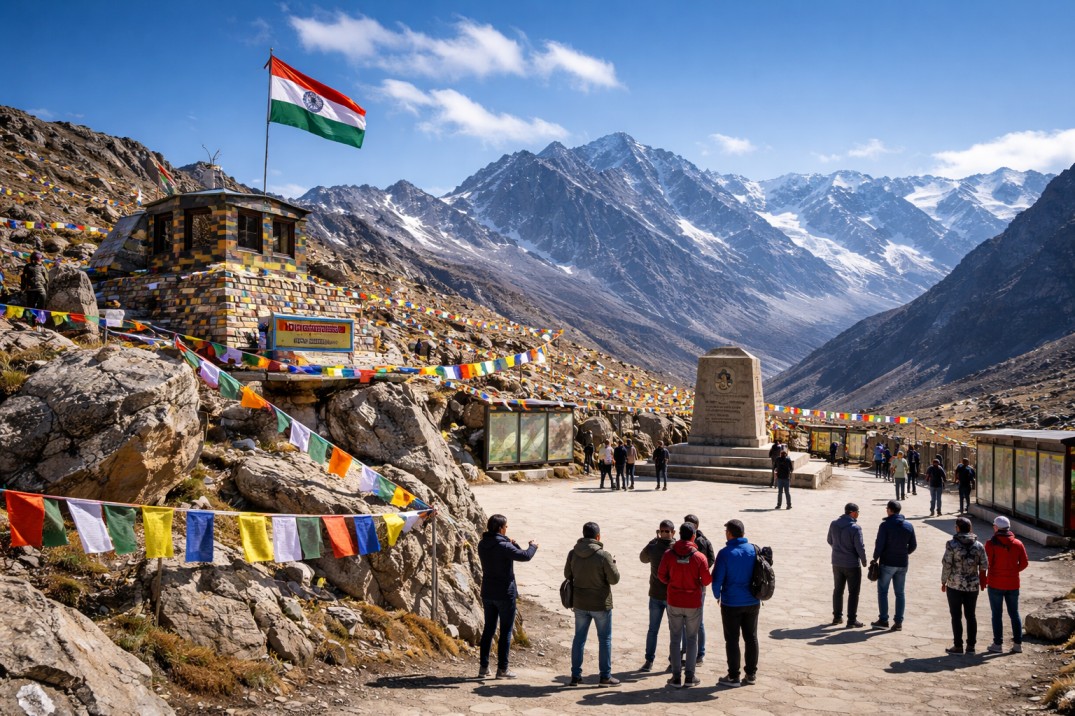 How India is Turning Battlefield Heritage and Borderland Zones into Engaging Travel Destinations Across South Asia">

Reimagining India’s Conflict-Aware Landscapes as Tourism Destinations
India is undergoing a fascinating transformation by repositioning areas once known for conflicts and military vigilance to attract travelers interested in history, remembrance, and cultural education. Historic battlefields, war memorials, and border regions that previously saw restricted civilian access are now opening up as part of efforts to blend heritage with tourism, inviting visitors to reflect on the nation’s layered military past.
The Rise of Battlefield Tourism: More Than Just Visiting History
Battlefield tourism refers to journeys focused on visiting sites linked with past warfare—this includes battlefields, memorials, forts, and military museums. In India, this niche has grown recently as people seek experiences combining education, reflection, and a profound sense of place. Some travelers come to pay respects, others pursue academic interests or family heritage, while a portion is drawn by the dramatic settings such as deserts and high-altitude mountain passes that make these sites naturally suited for adventure travelers as well.
This blend of memory and experience calls for sensitive interpretation and respectful engagement, making it a unique form of travel that connects visitors to the story of the land in ways beyond traditional sightseeing.
India’s Diverse Military Heritage and Its Tourist Appeal
The country’s battlefield heritage spans several eras, each with distinct stories to tell:
- Ancient and medieval sites like Panipat, Haldighati, and Chittorgarh highlight dynastic conflicts and architectural grandeur from early times.
- Colonial-era battlefields such as Plassey and Buxar frame the narrative of British influence, often interpreted through museum exhibitions.
- World War II landmarks in the northeast, particularly Kohima and Imphal, continue to attract international visitors through solemn remembrance practices.
- Modern conflicts—sites like Kargil, Longewala, and Rezang La—are marked by memorials and rugged battlefields that tell stories of more recent military engagements.
Opening Borderlands and Frontier Passes: A New Chapter in Travel
Once restricted for security reasons, several border areas are now accessible to civilians under guided and regulated conditions. For instance, the high-altitude passes of Cho La and Dok La in Sikkim, located along the India-China border, have been opened for tourism. These passes hold historical significance due to past clashes and standoffs and provide visitors with a chance to experience frontier life while learning about the realities of border management.
Similar initiatives exist elsewhere, integrating these remote and strategic landscapes into India’s tourism network and supporting local livelihoods through infrastructure improvements and visitor access.
Iconic Battlefield Tourism Spots to Add to Your Travel Itinerary
| Plats | Significance | Visitor Highlights |
|---|---|---|
| Kargil War Memorial, Dras | Honors soldiers from the 1999 conflict | Scenic rugged terrain, interpretive center, tribute gardens |
| Longewala War Memorial, Rajasthan | Site of a key 1971 battle | Displays of military equipment, battle maps, desert setting |
| Kohima War Cemetery, Nagaland | World War II commemoration | Quiet terraced graves, minimalistic design to encourage reflection |
Accessing High-Altitude Battle Zones: What Travelers Should Know
Several Himalayan sites linked to post-Independence conflicts are open to tourists seasonally, with strict regulations and guided visits to balance security and environmental concerns. Exploring these zones offers insights into the challenges faced by military forces and emphasizes the strategic value of geography. Emphasis remains on education and thoughtful engagement rather than casual recreation.
Community Involvement and Sustainable Development Through Tourism
The expansion of battlefield tourism has spurred improvements in road connectivity, accommodation, and basic amenities in remote areas. Local populations are encouraged to participate by providing guiding services, managing homestays, and supporting small enterprises, turning tourism into a powerful catalyst for economic growth without compromising the historical significance of the sites. This also allows visitors to encounter authentic regional cultures previously off the mainstream tourist routes.
Guidelines for Responsible Travel to Conflict-Linked Sites
Visiting a battlefield or war memorial calls for a respectful and informed approach. It’s important to verify entry requirements and restrictions beforehand, as many sites require permits and guided tours. Visitors should maintain decorum—respectful silence in cemeteries or memorials is expected, and photography must be handled thoughtfully to avoid intrusiveness. Adequate preparation for harsh weather, high altitudes, and limited medical facilities is essential for a safe and meaningful experience.
Battlefield Tourism as a Means of Reflection and Education
Such travel experiences transform historical events from textbook entries into tangible journeys of remembrance and learning. By carefully balancing access with interpretation, India is redefining the role of these landscapes in its tourism scene, turning memories of conflict into opportunities for visitors to engage with history in a deeply personal and educational way.
Why Battlefield and Borderland Tourism Matters for Travelers
Exploring these unique destinations provides a chance to peek into India’s complex military history while supporting communities in remote settings. However well-reviewed or honestly analyzed these sites may be, nothing quite replaces the firsthand experience. Platforms like GetExperience.com make it easier to book travel experiences from trusted providers, offering secure payment, voucher confirmations, and the ability to request tours customized to your preferences—whether it’s a guided battlefield walk, a heritage museum visit, or a high-altitude frontier expedition.
Travelers can enjoy peace of mind knowing their choices are supported by transparency, affordability, and access to an extensive range of curated adventure and cultural activities. Don’t miss the chance to discover a new side of India’s expansive travel offerings through this evolving form of tourism while making your journey smooth and rewarding. Boka din resa på GetExperience.com.
Summary: Turning Conflict Into Cultural Connection
The transformation of India’s battlefield sites and border areas into travel destinations is a thoughtful blending of remembrance, education, and adventure. From iconic memorials like Kargil to newly accessible frontier passes, these experiences offer unique insight into the nation’s past and its living cultures. With careful management, respect for sensitive histories, and community participation, this form of tourism fosters sustainable benefits and meaningful travel. Whether you prefer eco-friendly wildlife safaris, museum tours with live guides, or adventure rafting trips for beginners, expanding your travel palette to include such distinct experiences enriches any itinerary and deepens connection with the places you visit.